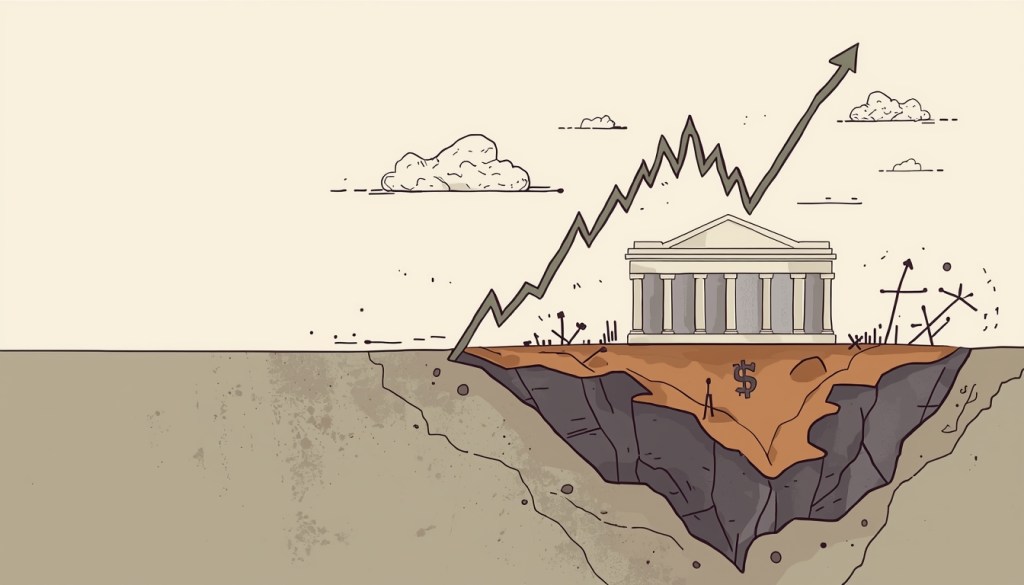

Venezuela After the Shock: What’s Changed and What Comes Next in Global Energy Dynamics


It’s been nearly a month since the event that jolted headlines: the capture of Nicolás Maduro and the resulting shift in control over Venezuela’s oil resources. That moment was dramatic, but what followed matters even more for markets, investors, and everyday financial logic. Instead of looking at that event in isolation, 2026 is shaping up as a year where structural change — not an isolated shock — may determine how Venezuelan oil intersects with global energy dynamics.


Revisiting the Scenario: From Shock to Structural Discussion

In early 2026, international attention turned to Venezuela not just because of political upheaval, but because the world briefly saw the possibility of a large swing in oil supply. Venezuela holds the world’s largest proven oil reserves — about 303 billion barrels — yet currently produces far less than its capacity due to decades of underinvestment and sanctions

Since then, production has begun slowly rising again as wells are reopened and exports resume under new oversight. Agreements with the United States to market Venezuelan crude have yielded millions of barrels shipped, albeit at a slower pace than initially promoted. 

This transition from immediate shock to operational reality is where the real story begins.


Structural Changes in Venezuela’s Oil Sector

A striking development in January has been the legislative push to overhaul Venezuela’s hydrocarbons framework — arguably the most significant since the nationalizations of previous decades. 

The proposed reforms aim to:

  • Allow private and foreign companies to operate oilfields with greater autonomy and to market production directly, breaking decades of state-controlled monopoly. 
  • Introduce production-participation contracts that provide flexibility in revenue sharing. 
  • Potentially reduce royalty and tax burdens for investors in economically challenging fields. 
  • Legally embed features of the Anti-Blockade Law into the foundational hydrocarbons regime, aiming to offer legal certainty for existing and future contracts

The intent is clear: after years of underinvestment, Venezuela is repositioning its legal framework to attract capital— in some cases backed by expectations of substantial investment growth in 2026. 

Yet these reforms are uneven and contested, with critics warning that vague language and legislative pushback could limit the confidence of potential large-scale investors. 


How Markets Price Risk and Oil Supply Now

Markets don’t simply react to supply and demand curves — they ping on expectations, legal certainty, and perceived risk. In the weeks following the shock event, global oil prices initially showed volatility, but recent trends have reflected the deeper reality of oversupplied markets and geopolitical pressures beyond Venezuela alone. 

Even with these structural discussions, Venezuela accounts for only a small portion of global production at present. Analysts project that even with a political and legal turnaround, production might only climb modestly over the next few years — perhaps reaching around 1.3–1.4 million barrels per day, up from under a million today. 

What this means for markets is not a dramatic swing in oil prices, but a recalibration of risk premia — the small but persistent valuation markets place on uncertainty regarding future supply, legal frameworks, and investment flows.


Consequences for Investors, Consumers, and Commodities

From an investor’s perspective, this transitional phase highlights two realities:

  1. Opportunity exists, but it’s contingent on legal clarity and structural stability. Without a reliable investment framework, anticipated capital inflows may remain smaller and slower than policymakers hope. 
  2. The broader energy market is not dependent on Venezuela alone. Renewable energy trends, U.S. shale output, and broader OPEC strategies continue to play dominant roles in pricing and supply expectations. 

For everyday consumers, higher-level geopolitical shifts can influence fuel prices, inflation expectations, and regional energy dynamics — but rarely in direct, immediate ways. What matters more is how these structural shifts influence long-term investment, infrastructure spending, and regulatory certainty in energy markets.


What 2026 Signals for Energy Transition and Geopolitics

The Venezuela episode that began with volatility has evolved into a nuanced test case of how energy markets balance risk, legal reform, and structural change.

Even if Venezuela never regains its historical levels of production, the reforms it pursues — and how swiftly and credibly it implements them — say a lot about:

  • How oil-rich nations might restructure in a world of energy transition
  • How legal frameworks compete with political instability in attracting capital
  • How markets evaluate potential supply shifts versus actual output

Venezuela may no longer be the powerhouse it once was, but this year’s developments provide a lens into broader patterns: how markets price future expectations, and how legal change can matter as much as physical barrels.

In that sense, 2026 might not be a year of dramatic recovery — but of quiet, foundational transformation in how energy and investment intersect on the global stage.


References

  • ReutersVenezuela’s oil reform met with flurry of proposed changes, 2026.
  • ReutersVenezuelan oil exports under U.S. supply deal progress slowly, 2026.
  • JPMorganVenezuela oil outlook and global energy implications, 2026.
  • S&P Global Commodity InsightsNew Venezuela hydrocarbons law and production-sharing reforms, 2026.
  • McKinsey Global InstituteEnergy investment, risk and transition dynamics, 2025.
  • InvestopediaWhy oil markets price expectations, not just supply, updated edition.

Why Tech Earnings Still Drive Market Mood — Even When the Broader Economy Feels Uneasy


When markets move these days, the trigger is often familiar.
Not inflation data. Not employment numbers. Not even geopolitical tension.

It’s earnings — especially from a small group of technology giants.

While the broader economy sends mixed signals, results from companies like Microsoft and Meta continue to shape market sentiment in a way that feels disproportionate to everyday economic reality. For many observers, this disconnect feels strange. For markets, it feels logical.


Markets React to Direction, Not Conditions

Markets are not built to reflect how things feel today.
They’re built to price what might happen next.

That’s why tech earnings often outweigh raw economic data. Inflation tells investors where we are. Employment data explains what already happened. But technology earnings — especially those tied to AI, cloud infrastructure, and digital platforms — hint at where growth could come from.

In uncertain environments, direction matters more than stability. Tech companies offer narratives about scale, efficiency, and future margins. That narrative has weight.


Why Big Tech Earnings Matter More Than Macro Data

Economic indicators describe the system.
Tech earnings describe who may benefit from it.

When large technology firms report results, markets aren’t just reacting to revenue or profit. They’re reacting to signals about:

  • Cost control through automation
  • Productivity gains via AI
  • The ability to grow without expanding headcount
  • Resilience in a slower or uneven economy

In periods of uncertainty, investors gravitate toward companies that appear structurally advantaged — even if the broader economy feels fragile.


AI as the “Glue” of Risk Sentiment

Artificial intelligence has quietly become the connective tissue of market optimism.

It doesn’t function as a single product or sector. Instead, it operates as a promise of efficiency across industries. That promise allows investors to believe that margins can expand even when demand is uneven and costs remain elevated.

AI doesn’t eliminate risk.
It reframes it.

Rather than asking whether the economy is strong, markets increasingly ask whether companies can do more with less. Tech firms sit at the center of that assumption.


The Retail Investor’s Perspective

For everyday investors, this dynamic can feel confusing.

Markets rise. Tech stocks outperform. Headlines sound optimistic. But personal finances don’t always reflect the same momentum. Costs remain high. Credit feels tight. Income growth feels slower.

This gap creates a quiet tension:
If markets are doing well, why doesn’t it feel that way?

The answer is that markets are rewarding future potential, not present comfort. Technology earnings act as a proxy for confidence in tomorrow — not relief today.


What This Means for Financial Decisions

This doesn’t mean tech optimism is misplaced.
It means it’s selective.

Markets can price long-term efficiency while households still navigate short-term pressure. Both realities can exist at the same time.

For retail investors and everyday decision-makers, the takeaway isn’t to chase momentum blindly — but to understand why it exists. When tech drives market mood, it’s signaling belief in systems, not guarantees for consumers.


Conclusion: Confidence Isn’t the Same as Comfort

Tech earnings continue to shape market sentiment because they offer clarity in an otherwise uncertain environment. They don’t fix the economy. They don’t reduce everyday costs. But they provide a story investors can anchor to.

In 2026, markets are less interested in how things feel — and more interested in who appears prepared for what comes next.

The question isn’t whether this optimism is right or wrong.
It’s whether the distance between markets and daily life will continue to widen — or eventually close.


References

  • Yahoo Finance, Stock Market Today: Tech Leads as Earnings Drive Sentiment, 2026.
  • Reuters, Global Markets View: Technology and AI Earnings in Focus, 2026.
  • Federal Reserve Bank of St. Louis, Economic Data vs Market Expectations, 2025–2026.
  • McKinsey Global Institute, The Economic Potential of Generative AI, 2024.
  • Investopedia, Why Earnings Matter More Than Economic Data, updated guide.

Why Credit Cards Still Feel Expensive — Even When Rates Are “Under Control”


On paper, credit card rates in the U.S. are constantly discussed, analyzed, and debated. Caps are proposed. Limits are floated. Headlines suggest relief may be coming.

Yet for most people, credit cards still feel just as heavy as ever.

Balances linger. Minimum payments barely move the needle. And despite all the talk about “controlling rates,” the cost of carrying credit doesn’t seem to ease in real life.

This gap between discussion and experience is where the real story lives.


The Difference Between Rates and Reality

Interest rates are easy to headline.
They’re clean numbers. Simple percentages. Easy comparisons.

But personal finance rarely works in clean lines.

Even when rates are debated or adjusted, the actual cost of using a credit card is shaped by layers that rarely make the news: fees, payment structures, penalty mechanics, and timing.

For many households, the problem isn’t that rates are technically high.
It’s that the system makes debt linger longer than expected.


Minimum Payments: The Quiet Trap

Minimum payments feel harmless. Almost polite.

They’re designed to look manageable — low enough to keep accounts active, high enough to stretch repayment over years. Not months. Not weeks. Years.

This is where credit becomes expensive without feeling aggressive.
The debt doesn’t shout. It whispers.

Technology reinforces this calm. Apps show progress bars. Statements look clean. The urgency fades, while interest quietly accumulates in the background.


Fees Don’t Feel Like Interest — But They Cost the Same

Late fees. Balance transfer fees. Cash advance fees. Foreign transaction fees.

They don’t show up as “rates,” but they function the same way:
they increase the total cost of borrowing.

Because they’re fragmented — small, conditional, occasional — they rarely trigger the same emotional reaction as a high APR. But over time, they reshape the true price of credit.

And most people only notice after the math has already worked against them.


Algorithms Changed the Game

Credit cards no longer operate on static rules.
They operate on behavior.

Algorithms now influence:

  • Credit limits
  • Promotional offers
  • Rate adjustments
  • Payment flexibility

Two people with similar incomes can experience very different borrowing costs, depending on patterns invisible to them.

This doesn’t make credit unfair — but it makes it less predictable, which is often worse for everyday budgeting.


Why It Still Feels Tight in 2026

Even with policy discussions around rate caps or consumer protection, credit cards remain expensive because they’ve evolved into something more subtle than simple borrowing.

They’re frictionless. Embedded. Automated.

Spending feels easy. Repayment feels abstract. And abstraction is where costs hide best.

When money becomes digital and recurring, the pain of payment fades — but the impact doesn’t.


A System That Works Quietly

Credit cards don’t feel expensive because they shock people.
They feel expensive because they outlast attention.

The system isn’t built to overwhelm.
It’s built to endure.

And in an economy where costs are spread across subscriptions, installments, and minimums, endurance becomes expensive in its own way.


Conclusion: Not a Crisis — Just a Pattern Worth Noticing

This isn’t about panic or blame.
And it’s not about whether rates should or shouldn’t be capped.

It’s about recognizing that even when numbers look controlled, structure matters more than headlines.

In 2026, understanding credit isn’t about watching policy debates.
It’s about noticing how quietly financial systems shape everyday decisions — and how long those decisions stay with us.

Sometimes, the most expensive things aren’t the ones that feel dramatic.
They’re the ones that feel normal.


References

  • Yahoo Finance, Trump’s credit card rate cap: what it could mean, 2026.
  • Consumer Financial Protection Bureau (CFPB), Credit Card Market Report, latest edition.
  • Federal Reserve Bank of New York, Household Debt and Credit Report, 2025–2026.
  • Investopedia, How Credit Card Interest Really Works, updated guide.
  • Federal Reserve, Consumer Credit (G.19) statistical releases.

Happy 2026: Big Events, Big Uncertainties — What It All Means for the Global Economy


A Fresh Start — And a Year That Already Began With a Bang

Happy 2026! The new year has barely begun — but the economic and geopolitical landscape is already packed with developments that could shape markets, energy, migration, and global events.

From dramatic changes in Venezuela to rising tensions in the Middle East, and with the FIFA World Cup coming to the U.S. this summer, there’s plenty for readers of Smart Money Tech to watch — with direct or indirect economic implications.

Below, we break down what’s happening and what it could mean for the economy in 2026.


Venezuela: After the Military Action

At the very start of the year, the world watched a significant event unfold: a U.S. military operation in Venezuelacaptured the country’s president and immediately became a major international story. 

Although the political narrative varies, this event has several potential economic consequences worth noting:

Energy and Oil Markets

Venezuela holds some of the largest proven oil reserves in the world. Even if production has been low for years, changes in who controls or manages access to energy resources can influence:

  • global crude oil price expectations
  • regional production forecasts
  • investment in energy infrastructure on and off the continent

Plans discussed in early January 2026 include selling tens of millions of barrels of Venezuelan oil on global markets, a factor that could ease supply tensions — or create uncertainty — depending on execution and legality. 

Risk and Investment Sentiment

Markets tend to dislike uncertainty. Sudden geopolitical shifts can cause:

  • increased risk premiums on emerging market assets
  • short-term volatility in currency and equity markets
  • shifts in capital flows toward “safe haven” assets

This means that even investors not directly involved with Venezuela’s economy may see indirect reactions in broader market indicators.

Diaspora and Labor Flows

Nearly 800,000 Venezuelans reside in the United States. After recent developments, some are torn between optimism and caution about returning home, especially with ongoing immigration policy changes in the U.S. affecting their status. 

Changes in migration can influence labor markets, remittances, and regional demographics over time.


Russia and Syria: Ongoing Conflicts, Economic Ripples

While the situation in Venezuela dominates headlines, other conflict zones continue to affect regional economies.

For example, in northern Syria, clashes have persisted despite reports of a ceasefire in certain areas. 

Although the Syrian economy is not large on a global scale, prolonged conflict impacts reconstruction markets, energy distribution corridors, and humanitarian spending, all of which have ripple effects on neighboring economies and global trade expectations.

In contrast, Russia remains actively engaged in international diplomacy and strategic positioning in the context of Venezuela and beyond, signaling that great-power competition continues to shape global risk perceptions


World Cup 2026: A Boost With Economic Side Effects

One of the most anticipated global events of 2026 is the FIFA World Cup hosted partly in the United States. Unlike political events, a sporting mega-event has predominantly positive economic implications:

Tourism and Local Economies

Major host cities expect:

  • increased hotel occupancy
  • higher spending in retail and services
  • long-term brand recognition for destination cities

Tourism influx typically benefits local and regional GDP through service demand and infrastructure usage.

Infrastructure and Investment

Hosting the World Cup spurs government and private investment in:

  • stadiums and transport
  • urban development
  • hospitality industries

These investments often create jobs and stimulate sectors tied to construction and tourism.

Global Attention

Even corporations and investors watch these events because they signal consumer confidence and global economic engagement.

However, some concerns have surfaced; for example, social issues and immigration policy have resulted in calls for World Cup boycotts or ticket cancellations, showing how broader socio-economic tensions can intersect with global events. 


What to Keep an Eye on for 2026

1. Commodity Markets

Energy prices and supply chains are still adjusting after multiple shocks in the past years. Changes in Venezuelan oil output or sanctions could subtly influence price benchmarks.

2. Global Risk Appetite

Countries with active conflicts or geopolitical friction may influence investors’ risk tolerance, affecting asset prices and capital allocation decisions.

3. Labor and Migration Trends

Movements of people — whether due to economic opportunity, conflict, or policy changes — will continue to impact labor markets, especially in regions with significant immigrant populations.

4. Big Events and Consumer Spending

Large gatherings like the World Cup can indicate underlying economic confidence and spending patterns but can also highlight social tensions if broader public sentiment is fragile.


Conclusion: 2026 Is More Than a New Calendar

2026 is off to a dramatic start — and the economic storylines are as diverse as they are interconnected.

From shifts in energy expectations to global sporting celebrations, from regional conflicts to migration trends, this year promises to be dynamic and rich with economic signals worth interpreting.

At Smart Money Tech, our goal is not just to report events — but to help you understand how the economy responds, adapts, and sometimes surprises when global priorities shift.

Stay tuned — this year is shaping up to bring insights, disruptions, and opportunities worth tracking.

Venezuela After the Shock: Economic Implications of the U.S. Action and Maduro’s Detention for 2026


Introduction: A Geopolitical Event With Economic Spillovers

In the first days of 2026, global markets reacted to reports of U.S. military action in Venezuela followed by the detention of Nicolás Maduro.

Regardless of political interpretation, the event represents a sudden institutional and economic disruption in a country that, despite years of decline, still holds strategic relevance — particularly in energy markets.

For investors and analysts, the key question is not political legitimacy, but economic impact:
How does this affect oil, emerging markets, capital flows, and global risk perception in 2026?


Venezuela’s Economic Relevance: Smaller Economy, Large Strategic Weight

Venezuela is no longer a major global economy by output. However, it retains outsized importance due to:

  • the world’s largest proven oil reserves
  • its potential production recovery capacity
  • its role in regional energy and trade expectations

This makes Venezuela economically relevant not for what it produces today, but for what it could produce under different institutional conditions.


Immediate Economic Effects Observed

1. Market Volatility and Risk Repricing

The immediate reaction in global markets was a temporary increase in risk aversion, particularly toward:

  • emerging market assets
  • Latin American currencies
  • energy-related equities

Such reactions are typical after abrupt geopolitical events and reflect uncertainty rather than fundamental change.

2. Oil Price Sensitivity

Oil prices showed short-term volatility, driven less by current Venezuelan supply and more by future expectations.

Markets are now assessing:

  • whether Venezuelan production could eventually return to global markets
  • under what legal and regulatory framework
  • and how quickly this could happen

This uncertainty introduces both upside and downside risks to energy prices in 2026.


Potential Positive Economic Implications for 2026

From a strictly economic perspective, several positive scenarios exist:

1. Path Toward Market Reopening

If the situation leads to:

  • institutional clarification
  • revised sanctions frameworks
  • improved legal certainty

Venezuela could gradually re-enter parts of the global economy, particularly in energy.

This would:

  • increase long-term oil supply expectations
  • reduce structural tightness in energy markets
  • lower inflationary pressure tied to energy costs

2. Investment and Reconstruction Potential

In the medium term, a transition period could create:

  • reconstruction demand
  • infrastructure investment opportunities
  • regional trade normalization

While not immediate, such dynamics are economically relevant for 2026–2027 outlooks.


Negative and Risk-Oriented Economic Consequences

At the same time, significant downside risks remain:

1. Prolonged Uncertainty

If governance and legal clarity are delayed, Venezuela may face:

  • frozen capital flows
  • limited access to international finance
  • stalled economic recovery

Markets tend to penalize uncertainty more than negative certainty.

2. Regional Risk Perception

Even if contained, the event reinforces the idea that political risk remains present in emerging markets, increasing risk premiums and borrowing costs across the region.

3. Short-Term Supply Disruptions

Operational instability can delay any potential increase in oil output, keeping global energy markets tighter than expected in early 2026.


Global Economic Impact: Limited but Non-Negligible

From a global standpoint, the economic impact is manageable, but not irrelevant.

  • Venezuela alone will not redefine global growth
  • but it can influence energy prices, inflation expectations, and market sentiment
  • especially in a year where global growth is already projected to slow

The event adds another variable to an already complex 2026 macroeconomic environment.


What to Watch in 2026 (Economic Lens Only)

Key indicators to monitor:

  • oil production data and export licenses
  • sanctions policy adjustments
  • capital flow signals into Latin America
  • energy price stability vs. volatility
  • emerging market risk premiums

These factors will determine whether the situation evolves into an economic opportunity, a neutral adjustment, or a persistent risk factor.


Conclusion: An Economic Event, Not Just a Political One

The U.S. action and the detention of Nicolás Maduro represent a political shock with real economic consequences, both positive and negative.

For 2026, the most likely outcome is heightened short-term uncertainty, followed by a gradual reassessment as institutional clarity improves or deteriorates.

From an economic perspective, the situation underscores a recurring lesson:
markets respond less to events themselves and more to the clarity that follows them.

Whether Venezuela becomes a stabilizing factor or a continued source of volatility in 2026 will depend not on ideology, but on economic governance, legal structure, and execution.

Economic Retrospective 2025: What Mattered Most — and What It Signals for 2026


Introduction: A Year of Unprecedented Shifts

The year 2025 will be remembered in economic history as one marked by structural shifts, geopolitical disruptions, and persistent uncertainty. From trade policy to global growth dynamics, financial markets and policymakers faced challenges rarely seen in recent decades.

As we enter 2026 — just days after major geopolitical developments, including a U.S. military intervention in Venezuela and the detention of Nicolás Maduro — it’s critical to understand how 2025 shaped today’s economic landscape and what key trends are likely to influence the year ahead.


1. Global Growth: Modest Expansion and Lingering Fragilities

Despite high expectations, global economic growth in 2025 was modest and uneven.

According to international forecasts, the world economy expanded at a subdued pace, with projections around 3.2% in 2025 and a slight deceleration expected in 2026. Advanced economies continued to lag, while emerging markets — notably in Asia — contributed disproportionately to global growth. IMF

Persistent trade barriers and policy uncertainty weighed on activity, while inflation pressures eased but did not disappear entirely. Risks such as geopolitical tensions and uneven recovery across regions remained notable headwinds. worldbank.org


2. Trade Policy and Protectionism Redefined Market Structures

One of the most defining economic developments of 2025 was the permanent shift in trade policy, particularly in the United States.

The year became known in financial circles as an era of “America First 2.0,” where trade protectionism moved from a campaign slogan into a core element of federal economic strategy. Widespread tariffs reshaped supply chains, discouraged global integration, and prompted a reorientation toward domestic and regional sourcing — a phenomenon some analysts have termed the “North American Fortress” model. FinancialContent

While equity markets ultimately ended 2025 higher — with the S&P 500 posting strong returns amid volatility — the internal mechanics of market performance shifted significantly under these new trade dynamics. FinancialContent


3. Corporate Strain and Bankruptcy Trends

The stress from high tariffs, inflationary pressures, and supply chain disruptions was not evenly distributed. Corporate fragility increased significantly:
In 2025, more than 700 U.S. companies filed for bankruptcy, a 14% rise over the previous year, marking the highest business failure rate since the Great Recession. New York Post

Key sectors such as manufacturing, construction, and transportation were particularly affected, as higher input costs and constrained demand squeezed margins and capital access.


4. Commodity Market Dynamics: Oil’s Unusual Downturn

After years of volatility, global oil prices experienced one of their steepest annual declines since the COVID-19 era. Oversupply amid weaker demand — partly tied to economic slowdown in China and other major importers — contributed to this drop. The Guardian

Lower oil prices can, in theory, ease inflationary pressures for consumers. However, retail fuel prices remained stubbornly high in many markets, reflecting persistent cost pass-through and infrastructure price dynamics.


5. Emerging Markets: India and Vietnam Highlight Growth Pockets

Not all regions struggled in 2025. In Asia, India surpassed Japan to become the world’s fourth-largest economy, a historic milestone reflecting robust economic fundamentals and sustained growth, even amid global uncertainty. marketwatch.com

Similarly, Vietnam posted strong GDP gains, underpinned by rising trade revenues and foreign investment, positioning it among Asia’s fastest-growing markets. vietnamnews.vn

These contrasts highlight the divergent nature of the global recovery — where growth hubs coexisted with stagnation in other advanced economies.


6. Geopolitical Turbulence and Economic Risks

Beyond trade policy, 2025 witnessed sharp geopolitical disruptions with economic implications. While not as widely documented in mainstream economic forecasts, conflicts and sanctions in multiple regions contributed to currency instability, inflationary spikes, and supply disruptions — especially regarding energy and food markets.

Recent protests in Iran driven by severe inflation and currency collapse illustrate how economic distress and political instability intersect, with broader implications for regional trade and energy supplies. Wikipedia

These events — coupled with major U.S. action in Venezuela at the end of the year — are likely to reverberate through commodity markets, investment flows, and risk premia in 2026.


7. Monetary Policy and Inflation: A Gradual Normalization

A key economic thread throughout 2025 was the gradual normalization of monetary policy following the intense inflationary period of 2021–2023. Central banks in advanced economies remained cautious but committed to inflation targets, even as growth slowed. Capital Economics

In the United States, ongoing debate over Federal Reserve independence and rate policy continued to influence markets — though equities and bond yields remained surprisingly resilient even amid political pressure. Reuters


What to Expect in 2026: Key Economic Themes

As 2026 begins, several trends clearly emerging from 2025 will shape the year ahead:

1. Continued Deceleration in Global Growth

Most major forecasts point to slower global expansion in 2026 than in 2025, with inflation continuing its gradual decline but remaining above pre-pandemic targets in several economies. OECD

2. Trade Policy’s Lingering Effects

Protectionist measures and tariff regimes will continue to influence production costs, investment decisions, and the structure of global supply chains. Firms are likely to adjust operational footprints further to mitigate policy risk.

3. Geopolitical Risk Premiums

With significant geopolitical events already unfolding, investors will price geopolitical risk more explicitly in asset valuations, particularly in energy, commodities, and defense sectors.

4. Divergence Between Growth Markets and Advanced Economies

Emerging markets with strong demographic trends and investment climates — particularly in Asia — are expected to outperform advanced economies in headline growth metrics.

5. Consumer and Labor Dynamics in Focus

Slower consumer spending and evolving labor market conditions — including potential shifts due to demographic trends and migration — will be central to real GDP projections and monetary policy responses.


Conclusion: 2025’s Legacy and 2026’s Outlook

The economic story of 2025 was one of adaptation in the face of structural change. Geopolitical risk, trade fragmentation, corporate stress, and shifting centers of growth defined a challenging but transformative year.

As 2026 unfolds, the legacy of these forces — from global growth moderation to tariff-driven market shifts — will inform investment strategies, policy debates, and business decisions worldwide. The balance between risk and opportunity remains delicate, and the global economy is likely to navigate another year of uncertainty and adjustment.

Why “Barron Trump” Spiked on Google Trends — And What It Reveals About Digital Behavior in Election Season


The Search Spike Says More About the Internet Than About Politics

When the term “Barron Trump” suddenly climbs into the top search trends in the United States, the assumption is that a major political event has taken place.
Yet, in most cases, these spikes reflect something very different: algorithmic amplification, not meaningful news.

The recent surge in searches is not tied to a specific political action or event, but to a predictable digital pattern that intensifies during U.S. election cycles.
Understanding why this happens offers valuable insight into how technology shapes public perception — often without context and without intent.


The Algorithmic Mechanics Behind Political Search Waves

Every election cycle produces the same digital behavior: any name associated with a prominent political figure — directly or indirectly — tends to trend, regardless of relevance.

The phenomenon can be explained through three core mechanisms:

1. Algorithmic association

Search engines and social platforms relate terms based on semantic proximity.
When a political figure dominates the news cycle, associated names — even those not involved in public life — can surface in suggestions and trending panels.

2. Context-free viral curiosity

Trends frequently arise from:

  • memes
  • commentary without context
  • short-form videos
  • reposted clips on X, TikTok, or YouTube

A single viral moment can generate nationwide search interest, despite the absence of real-world news.

3. Election-season amplification

During election periods, public curiosity intensifies.
Users search more broadly for anything connected to political families, not because of events, but because of heightened national attention.

In effect, the trend reflects public behavior, not political developments.


What This Reveals About Tech Platforms

These spikes demonstrate several vulnerabilities within the digital ecosystem:

• Unintentional amplification

Algorithms prioritize volume, not accuracy or public relevance.

• Blurring of information value

Trending pages do not differentiate between:

  • serious news
  • speculative attention
  • viral content
  • harmless curiosity

Everything is presented through the same interface.

• Feedback loops across media

Once a name trends, media outlets and automated content aggregators highlight it, reinforcing the cycle and creating the illusion of significance.

This is a structural feature of digital platforms, not an isolated incident.


Why This Matters to Investors and the Tech Industry

Political search trends have real implications in finance and technology.

1. They influence ad markets

Spikes in politically adjacent terms increase:

  • bidding prices in search advertising
  • traffic for media companies
  • engagement metrics on social networks

Platforms like Google, Meta, and X benefit financially from heightened political attention.

2. They reveal consumer behavior patterns

Understanding how and why people search helps:

  • advertisers allocate budgets
  • media companies plan coverage
  • big tech forecast engagement cycles

Election-driven attention is one of the most predictable and monetizable patterns on the internet.

3. They show the limits of algorithmic transparency

Users rarely know why something trends — and platforms rarely explain it.
For analysts, this opacity is essential to monitor.


The Ethical Dimension

Trends involving individuals not tied to public roles reveal a recurring problem:
algorithms do not distinguish between public interest and viral curiosity.

This raises questions for platforms:

  • Should trending systems add context automatically?
  • Should they filter out non-public figures in political cycles?
  • How can platforms reduce misinterpretation?

These are open questions for policymakers and tech governance experts.


Conclusion

The spike in searches for “Barron Trump” is not a political event — it is a digital behavior event.
It reflects how algorithms group related names, how voters consume content, and how election cycles heighten nationwide attention.

More importantly, it highlights a broader truth about the modern internet:
in the age of algorithms, attention is manufactured, not discovered.

For the tech sector, advertisers, media analysts, and investors, understanding these patterns is essential.
For the public, it is a reminder that trending content often reflects curiosity — not reality.

PlayStation Portal: A Strategic Move Toward Sony’s Streaming Future


A Device Designed for a Very Specific Purpose

The PlayStation Portal is trending once again, largely due to renewed consumer interest ahead of the holiday season. Unlike traditional handheld consoles, the Portal does not run games natively; instead, it operates exclusively through PS5 Remote Play, streaming content directly from the user’s console over Wi-Fi.

This has led to significant confusion in the market, with many consumers initially interpreting the Portal as a standalone device. However, despite its limitations, demand remains high — an indication of Sony’s increasingly deliberate shift toward a hybrid gaming ecosystem.


What the PlayStation Portal Actually Offers

The Portal is best understood as a dedicated Remote Play terminal. Its core features include an 8-inch LCD 1080p display, integrated DualSense controls, and a lightweight form factor optimized for portability within the home environment.

Key Functionalities

  • Remote access to PS5 titles through Wi-Fi
  • Full support for DualSense haptics and adaptive triggers
  • Instant-on pairing with the PS5

Notable Limitations

  • No native game processing
  • No support for PlayStation Cloud Streaming
  • Requires strong and stable Wi-Fi
  • Does not function independently of a PS5

These constraints place the Portal in a highly specialized category — not a competitor to the Nintendo Switch or Steam Deck, but rather an accessory designed to extend PS5 usage within multi-device households.


Why Consumer Interest Is Growing

Despite its narrow functionality, search volume for the PlayStation Portal continues to rise. Three factors explain this:

1. High demand paired with limited supply

Sony’s production strategy creates scarcity, reinforcing desirability and market visibility.

2. Changing household entertainment patterns

Shared-TV homes increasingly prefer multi-screen environments. The Portal enables uninterrupted gaming without monopolizing the main television.

3. Renewed interest in portable, screen-based devices

The surge in handheld-like products (Switch, Steam Deck, ROG Ally) has reconditioned consumer expectations, even when devices do not offer native gameplay.


Sony’s Broader Strategy: Preparing for a Streaming-First Future

Although the PlayStation Portal currently lacks cloud gaming support, its existence signals Sony’s long-term intentions.

The Portal acclimates players to:

  • A screen-agnostic experience
  • Streaming as the delivery method
  • Increased time spent in the PlayStation ecosystem
  • Reduced reliance on physical consoles over the next decade

From a business perspective, the Portal functions as a transition device, preparing the market for broader adoption of cloud gaming once Sony finalizes its infrastructure and licensing models.


Is the PlayStation Portal a Good Purchase?

Ideal for:

  • Households where the primary TV is frequently in use
  • Users who value portability within the home
  • Single-player or narrative-focused gamers
  • Players who want an official, high-quality Remote Play device

Not ideal for:

  • Travelers or offline players
  • Users expecting a Switch-like portable console
  • Homes with unstable or congested Wi-Fi
  • Players seeking cloud gaming access

The Portal performs exceptionally well when used as intended. The dissatisfaction seen in early reviews often stems from mismatched expectations, not from product deficiencies.


Strategic Implications for Sony

Sony benefits from the Portal in several key areas:

  • Ecosystem reinforcement: The more devices connected to PS5 hardware, the stronger user retention becomes.
  • Increased digital engagement: Remote Play encourages digital purchases and subscription-based behavior.
  • Preparation for cloud migration: The Portal serves as a soft introduction to future streaming models.

While unconventional, the Portal is a calculated step toward a multi-device PlayStation ecosystem that mirrors the evolution seen in the streaming industry.


Conclusion

The PlayStation Portal is not a traditional handheld console, nor is it intended to be. It is an ecosystem extender — a device that enables uninterrupted gaming, diversifies PlayStation’s hardware portfolio, and positions Sony for a long-term shift toward cloud and remote-access solutions.

Its rising popularity, despite narrow functionality, reflects a clear consumer trend: convenience and flexibility increasingly outweigh raw hardware power.

For players with the right network conditions and expectations, the Portal is a valuable addition — and a sign of where Sony intends to take the PlayStation brand next.

Nintendo Switch 2 Black Friday Surge: What the Hype Says About the Future of Gaming


A Black Friday Surge That Nintendo Didn’t Even Need to Advertise

The Nintendo Switch 2 became one of the most searched terms in the U.S. this Black Friday — and the console isn’t even officially launched yet.

That should tell you something.

Gamers, investors, and tech enthusiasts are treating the Switch 2 like the second coming of the Wii era: a moment when Nintendo once again bends the gaming market to its own identity instead of following the industry’s obsession with power and specs.

But behind the hype, the Switch 2 surge reveals something deeper about the state of the gaming industry — and what Black Friday spending tells us about the direction of consumer technology.


What We Know So Far About the Nintendo Switch 2

Official details remain scarce, but industry leaks paint a consistent picture:

  • Bigger performance jump (closer to PS4/PS4 Pro range)
  • DLSS support for higher-quality visuals
  • New custom NVIDIA chipset
  • Backward compatibility expected
  • Higher-priced launch tier likely

So why is the Switch 2 trending so aggressively now?
Because historically, Switch consoles never drop enough during Black Friday. So instead of waiting for discounts, shoppers research future-proofing: “If I’m buying a console, should I wait for the Switch 2?”

Nintendo is benefiting from anticipation economics — generating hype without saying a word.


What the Black Friday Spike Reveals About the Gaming Market

This year’s surge shows three trends:

1. Gamers prefer long-term value over raw power

Sony and Microsoft focus on performance.
Nintendo focuses on fun, affordability, and exclusives.

Switch 2 will not rival PS5 Pro — and it doesn’t need to.

2. Hybrid gaming remains dominant

No other console has managed the seamless handheld + dock experience like the Switch.

The Switch 2 trending during Black Friday proves consumers want mobility, not just high-end hardware sitting under the TV.

3. Families and casual gamers are returning

While AAA studios struggle with budgets and layoffs, family-friendly IP like MarioZelda, and Pokémon keep Nintendo shielded from industry instability.

Nintendo may be the only gaming giant not dependent on risky cinematic blockbusters.


The Business Angle: Why Investors Should Watch Nintendo Closely

Nintendo isn’t just a gaming company — it’s a cultural IP machine.

With Universal theme parks, Hollywood movies, licensing, and toys, Nintendo now generates revenue streams beyond the console cycle.
The upcoming Switch 2 will only amplify that momentum.

Why the search surge matters to investors:

  • Strong early demand reduces launch risk
  • Nintendo’s stock historically rises around hardware cycles
  • 2026 earnings could jump significantly if sales outperform Switch 1 launch metrics
  • Accessories and digital purchases dominate margins

If Nintendo handles production correctly (unlike Sony’s PS5 shortages), it could disrupt the next two years of the gaming hardware landscape.


Are We Witnessing the Start of a Console Renaissance?

After a decade of “cloud gaming will kill consoles,” Black Friday searches suggest the opposite:

Players want physical hardware.
They want ownership.
They want hybrid consoles.

The Switch 2’s viral demand proves that the console market isn’t dying — it’s transforming.


Conclusion: Nintendo Didn’t Lift a Finger — and Still Won Black Friday

No official trailer.
No press release.
Just a name, a rumor mill, and a loyal fanbase.

Nintendo didn’t just win Black Friday — it dominated without participating.

If the Switch 2 delivers even half of what leaks promise, the gaming industry is about to enter a new chapter where mobility, nostalgia, and smart design matter more than teraflops.

Nintendo understood this years ago.
Now the market finally caught up.


References

  • Bloomberg Gaming Reports, 2025
  • IGN Hardware Leaks, 2025
  • Reuters Market Consumer Tech Update, 2025

Disney’s Q4: Streaming Wins, Traditional TV Loses — Was Politics the Hidden Factor?


The “Almost Magical” Quarter — With Cracks Showing

Disney’s latest earnings report delivered a familiar mix of optimism and concern — the kind of quarter that looks good in headlines but reveals deeper structural challenges when examined closely.

For Q4, Disney beat profit expectations thanks to stronger-than-expected performance in streaming and theme parks.
But revenue came in below Wall Street forecasts, dragged down once again by the decline of linear TV, a business Disney relied on for decades.

This raises a question many analysts are whispering — but few are openly addressing:

Is Disney’s financial struggle purely market-driven, or are the political pressures surrounding the company beginning to hit the bottom line?


Streaming Saves the Day (Again)

Disney’s direct-to-consumer business, which includes Disney+, Hulu, and ESPN+, finally found its footing.
Subscriber churn slowed, pricing increases stuck, and bundled offers created healthier margins.

Highlights include:

  • Higher ARPU (average revenue per user) across the Disney+ platform
  • Ongoing reductions in content spending
  • Strong ad-supported tier adoption

Disney continues to optimize its streaming machine without the desperate cost-cutting seen in 2023–2024.

But even with these wins, the drag from traditional TV is impossible to ignore.


The Collapse of Linear TV Is Accelerating

Disney’s cable networks — once the company’s golden goose — continue to bleed.
Viewership is down. Advertising is down. Distribution fees are down.

And a critical blow came this quarter from the internal political divide that has reshaped American media consumption.

A growing portion of conservative audiences has abandoned Disney-owned networks, citing “cultural disagreements,” “ideological drift,” or simply preferring alternative platforms.

Meanwhile, content licensing disputes — like the temporary removal of ESPN and ABC from YouTube TV last year — have added instability.

Linear TV isn’t dying slowly anymore. It’s collapsing.


Is Politics Quietly Hitting Disney’s Numbers?

Now comes the uncomfortable part:
Many investors have asked whether Donald Trump’s second presidency and his administration’s policies have indirectly influenced Disney’s performance.

Let’s break down the factors:

1. The DEI Reversal and Political Backlash

The Trump administration’s aggressive stance against DEI (Diversity, Equity & Inclusion) initiatives forced Disney to reverse or soften certain internal policies after facing regulatory pressure and conservative boycotts.

This affected:

  • Talent pipelines
  • Public perception
  • Content creation strategies
  • Relations with local governments (ex.: Florida’s Reedy Creek saga)

2. Consumer Polarization

The U.S. is more polarized than ever — and Disney sits at the center of cultural debates.
For many conservative households, Disney has become a symbol of “culture war corporatism.”

This shift affects:

  • Park attendance from specific demographics
  • TV viewership
  • Merchandising
  • Subscription preferences

Even a 5–10% consumer shift in a market as large as Disney’s is enough to swing quarterly results.

3. Regulatory Pressures Under Trump

A Trump administration tends to favor:

  • Less corporate regulation
  • Stronger support for traditional family values
  • Crackdowns on federal DEI spending

While lower regulation helps parks and operations, cultural regulatory pressure impacts branding and content decisions — a costly dilemma for a media company whose value depends on storytelling freedom.


Investors React: Is Disney a Political Risk Stock Now?

Investors are quietly reclassifying Disney not only as an entertainment stock but as a politically sensitive asset, similar to:

  • Meta (privacy regulation)
  • TikTok (national security)
  • Exxon (environmental policy shifts)

Disney is at the crossroads of:

  • government interests
  • public sentiment
  • and cultural identity

This creates an unusual headwind: revenue tied to politics more than to performance.


The Path Forward: Can The Magic Return?

Disney has the tools to rebuild — strong IP, a recovering streaming ecosystem, physical assets that print cash, and unrivaled brand recognition.

But the company must answer a critical strategic question:

Will it keep walking into the political battlefield, or will it reposition itself as a neutral entertainment powerhouse again?

If not, the brand will remain vulnerable — not because of content, but because of polarization.


Conclusion:

Disney’s Q4 results prove the company is still a global powerhouse — but also a cultural lightning rod.
Streaming is finally stabilizing. Parks are profitable. But traditional TV is dragging the entire enterprise down.

And behind those numbers lies a more complicated truth:

Politics is now part of Disney’s financial equation.
Whether driven by cultural backlash or regulatory pressure, the political environment under Trump is shaping how the company must operate — and how investors must evaluate it.

If Disney wants to restore its magic, it must first rebuild trust across a divided America.


References

  • InvestopediaDisney Tops Profit Estimates but Revenue Falls Short, 2025.
  • ReutersDisney Boosts Dividend and Buyback as Streaming and Parks Drive Profit, 2025.
  • NY PostDisney Reverses DEI Warning Language After Trump Crackdown, 2025.
  • CNBCDisney Earnings Breakdown, 2025.