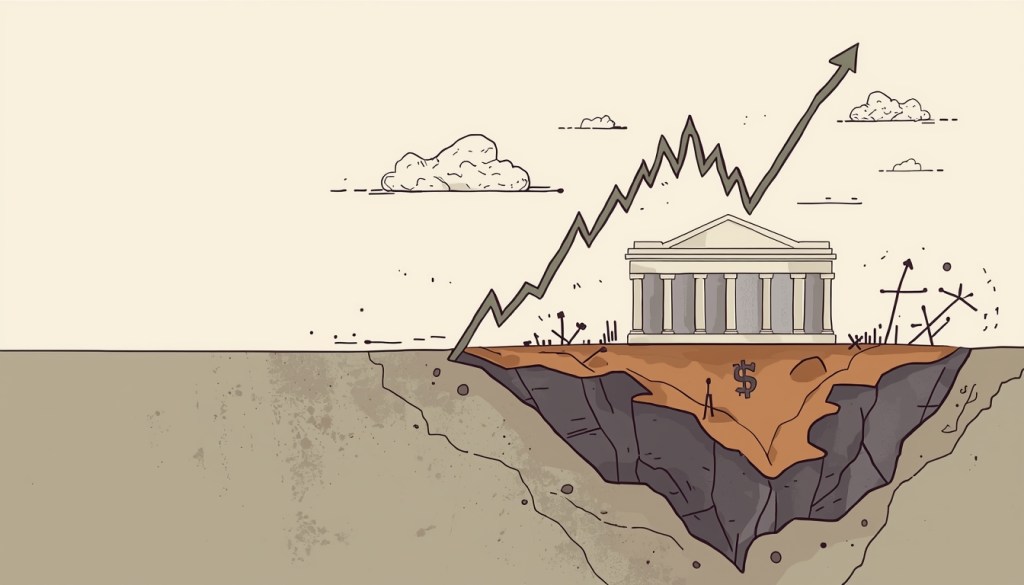

Two weeks ago, the Federal Reserve raised interest rates for the first time since 2023, lifting its benchmark rate to a range of 3.75%–4%. Now the question on every investor’s and borrower’s mind is whether that was a one-off move — or the start of something longer.
The Fed’s next decision lands on October 28, 2026, and right now the data is sending mixed signals.
The Case For Another Hike
Fed officials who voted for September’s increase made clear that inflation was still running hotter than their comfort zone allows.
Since then, a batch of economic data has kept that pressure alive. Strong hiring earlier in the cycle gave the Fed “less reason to hesitate,” according to Axios’s coverage of the August jobs report. Several indicators due out this week are seen as bolstering the case for a follow-up hike in October, per Bloomberg and Yahoo Finance.
The message from the hawks on the committee is consistent: one hike wasn’t enough to declare victory.
The Case For a Pause
At the same time, the inflation picture has gotten a little more complicated.
The Fed’s preferred inflation gauge, the PCE index, recently eased to 3.4% — a cooling signal that gives the doves on the committee more room to argue for holding steady rather than hiking again so soon after September, according to Yahoo Finance.
The argument for a pause isn’t that inflation is solved. It’s that the most recent data suggests the September hike may already be working — and that moving too fast carries its own risks.
The Numbers That Will Decide It
Two reports stand between now and the October 28 meeting that matter more than anything else.
The September jobs report, due October 2, will show whether the labor market is still running hot enough to justify tighter policy — or whether it’s cooling in a way that argues for a pause. A fresh round of inflation data later in the month will be the other deciding factor. If price pressures keep easing the way the latest PCE reading suggests, another hike becomes harder to justify.
Markets are already pricing in real uncertainty about which way this goes — which is itself a signal. This isn’t a foregone conclusion the way some past Fed meetings have been.
What It Means for You Either Way
The outcome on October 28 matters differently depending on where you sit financially.
If the Fed hikes again: savings accounts and CD yields will likely stay attractive or climb further, while variable-rate debt — credit cards, HELOCs, and adjustable-rate mortgages — gets more expensive. That’s a direct hit to anyone carrying a balance month-to-month.
If the Fed holds: it doesn’t mean rate cuts are back on the table. It most likely means “higher for longer” at September’s new level — which is still well above where borrowers got used to living just a few years ago.
Either way, the smart moves are the same ones that applied after September’s hike: keep shopping for the best savings yields, prioritize paying down variable-rate debt, and don’t assume relief is coming before it’s actually announced.
The Bottom Line
October 28 is the date to watch. Until then, the September jobs report and incoming inflation data will do most of the talking.
If you have a mortgage, credit card balances, or a savings account tied to Fed policy, treat the next few weeks as a “wait and see” moment — not a “rates are definitely coming down” one. The Fed has been clear that its job isn’t finished. The only open question is how quickly it wants to finish it.
References
- Federal Reserve, Implementation Note, September 16, 2026, federalreserve.gov.
- CNBC, Fed rate decision September 2026: Rates rise to 3.75%–4%, September 16, 2026.
- Yahoo Finance / Bloomberg, Key US Data This Week Seen Bolstering Case for October Rate Hike, 2026.
- Yahoo Finance, PCE inflation eases to 3.4%, cooling the case for another Fed rate hike, 2026.
- Axios, August hiring gives Fed less reason to hesitate on rate hike, September 4, 2026.
- FinanceCalendar, Next US Jobs Report: October 2, 2026.