
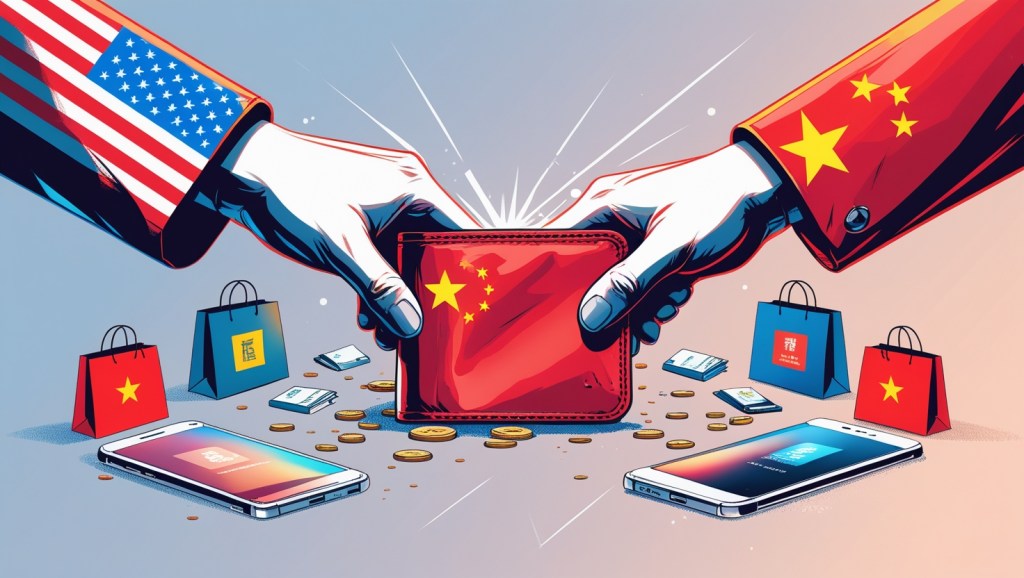
Trade wars may sound like something distant — a battle between governments and corporate giants — but they have very real consequences for everyday consumers. In 2025, with president Donald Trump reintroducing aggressive tariffs on Chinese imports and China responding in kind, the global economy is feeling the shockwaves again.
But how does this affect you — your tech purchases, grocery bill, or gas tank? Let’s break it down.
What Are Tariffs (and Why Are They Back)?
A tariff is essentially a tax on imported goods. In April 2025, Trump proposed raising tariffs on a wide range of Chinese products, increasing some rates up to 145%. China quickly responded with its own 125% tariffs on American goods.
The goal?
To protect domestic industries and “punish” foreign competitors.
The result?
Higher prices — for both businesses and consumers.
5 Everyday Ways Tariffs Hit Your Wallet
1. Electronics Are Getting Pricier
Smartphones, laptops, tablets, and accessories often rely on Chinese manufacturing. With increased tariffs, expect brands to:
- Raise prices to offset costs
- Delay launches or reduce inventory
- Shift production to more expensive regions
🛒 Example: A budget laptop that cost $499 in 2024 may now cost $579+ in mid-2025.
2. Grocery Prices May Rise
Although most groceries are local, many ingredients and packaging materials are imported. Increased transportation and energy costs also ripple into food pricing.
- Canned goods, frozen meals, and packaged snacks may see 5–12% hikes
- Household items like kitchenware or cleaning tools are also impacted
3. Gas and Energy Costs Could Climb
Tariffs often cause supply chain disruptions. If Chinese manufacturers cut output or retaliate, the cost of oil and energy-related imports may increase.
Expect:
- Slightly higher gas prices at the pump
- More expensive energy bills (especially in colder regions)
4. Clothing and Apparel Get More Expensive
A huge portion of U.S. fashion and footwear is made in China. With tariffs, clothing retailers either:
- Pass the cost to you
- Reduce quality to maintain prices
- Shift production to countries like Vietnam or Bangladesh (which still costs more)
👟 Sneakers, jackets, and tech-wear are especially affected.
5. Tech Gadgets and Appliances Will Cost More
From gaming consoles to smart home devices, many components come from China. Tariffs make it harder for brands to stay under $100, $300, or $500 price points.
Expect fewer discounts and more “limited” launches.
📊 Who Wins and Who Loses?
| Winners | Losers |
|---|---|
| Some U.S. manufacturers | Consumers (higher prices) |
| Local producers (short-term) | Retailers with Chinese suppliers |
| Protectionist political agendas | Global investors & importers |
What You Can Do to Protect Your Budget
- Delay major purchases: If you can, wait for price adjustments or off-season sales.
- Buy used or refurbished tech: Great savings on items not affected by current tariffs.
- Diversify your sources: Support small or local brands not reliant on global supply chains.
- Track inflation: Use tools like the CPI index to understand rising costs.
Trade wars aren’t just political chess moves — they shape the way we spend, save, and live. The 2025 U.S.-China tariff escalation may seem like global policy, but it hits hardest at the register. Staying informed can help you make smarter purchases and avoid falling into inflated pricing traps.
 Smart Money Tech