
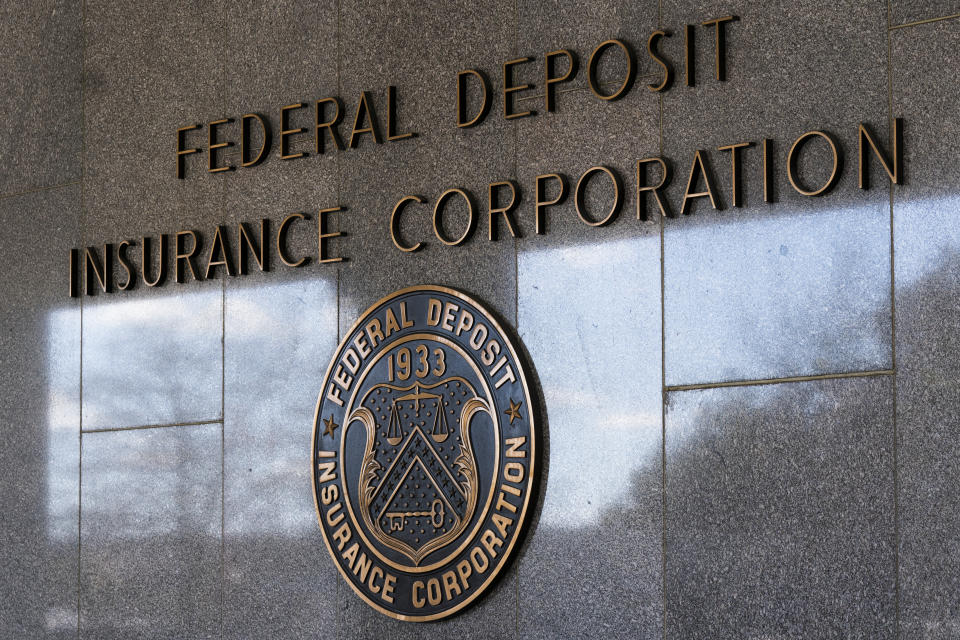
(AP Photo/Manuel Balce Ceneta, File) – ASSOCIATED PRESS
In April 2025, Bank of America was ordered to pay over $540 million to the Federal Deposit Insurance Corporation (FDIC) after a lengthy legal battle. While the number is staggering, the real story lies in why this happened — and how financial regulations protect people like you from systemic failures.
What Sparked the Case?
The fine dates back to misconduct during and after the 2008 financial crisis, where Bank of America was accused of overcharging on securities tied to failed mortgage-backed deals. These actions resulted in losses for the FDIC, which stepped in to protect depositors from failed institutions.
The ruling reinforces one major truth: without regulation, the system can (and has) collapsed.
Why Financial Regulations Exist
1. To Prevent Systemic Risk
Unregulated banks taking excessive risks was a major trigger of the 2008 crash. Regulations like the Dodd-Frank Act, the Volcker Rule, and FDIC oversight were put in place to ensure banks:
- Hold more capital
- Avoid risky derivative products
- Maintain transparency
2. To Protect Consumers
Rules from agencies like the FDIC and Consumer Financial Protection Bureau (CFPB) are designed to:
- Guarantee safe deposit protection (up to $250,000 per person, per bank)
- Prevent hidden fees, discrimination, and predatory lending
- Ensure honest communication from financial institutions
3. To Hold Institutions Accountable
When banks violate laws or exploit grey areas, regulatory bodies can intervene — as seen in this case. The result? Compensation for damages, investor trust restoration, and safer markets.
What This Means for You
✅ If You’re a Consumer:
- Your deposits are protected under FDIC insurance.
- If a bank fails or mismanages your money, there are legal paths for compensation.
- Regulatory fines discourage banks from cutting corners that could affect your finances.
✅ If You’re an Investor:
- Regulatory enforcement ensures financial statement accuracy.
- Market behavior post-rulings can signal risk areas.
- You can use public rulings (like this) to evaluate which institutions are reliable and well-governed.
🏦 Common Financial Regulations That Affect You
| Regulation | Purpose | How It Helps You |
|---|---|---|
| FDIC Insurance | Guarantees deposits up to $250K | Keeps your savings safe during bank failures |
| Dodd-Frank Act | Increases transparency and capital controls | Reduces risk of another 2008-like crash |
| Truth in Lending Act | Prevents hidden fees | Makes loan terms clearer |
| Fair Credit Reporting Act | Protects your credit data | Ensures accuracy and privacy of credit reports |
The Takeaway: Regulations Aren’t the Enemy
Sometimes seen as red tape, financial regulations are actually safety nets. The Bank of America case is a reminder that:
- Rules matter.
- Oversight can save millions (or billions).
- Without enforcement, ordinary people pay the price.
As investors or consumers, staying informed about regulatory actions helps you make better financial decisions — from choosing a bank to diversifying your assets.
 Smart Money Tech