
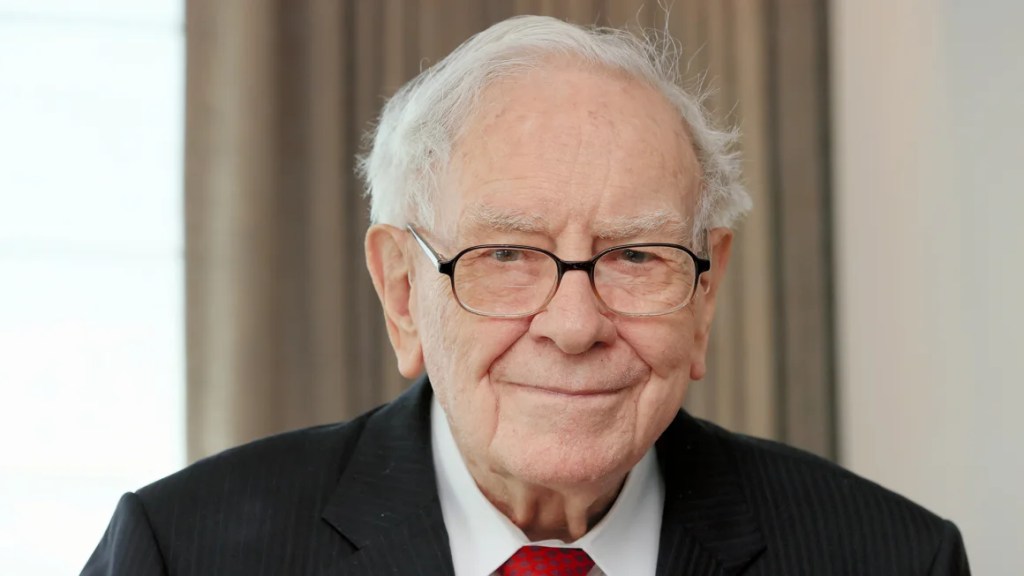
Photo by Asahi Shimbun/Getty Images, via CNN.
A Humble Beginning That Shaped a Financial Titan
Warren Buffett was born in 1930 in Omaha, Nebraska, during the Great Depression — a time that would later influence his conservative approach to money and risk. Unlike most children his age, Buffett was already fascinated by numbers and markets. At just 11 years old, he made his first stock purchase: three shares of Cities Service. The experience left a mark not just on his finances, but on his philosophy. He learned early on the power of patience, long-term thinking, and emotional control.
As a teenager, Buffett found creative ways to earn and save money. He delivered newspapers, ran pinball machines in barbershops, and even filed his first tax return at 14, deducting his bicycle as a business expense. These weren’t just entrepreneurial experiments — they were the early signs of a financial genius in the making.
The Education That Changed Everything
Buffett’s life took a defining turn when he studied under Benjamin Graham at Columbia University. Graham’s book, The Intelligent Investor, became Buffett’s financial bible, and the concept of value investing — buying stocks that were undervalued by the market — became the foundation of his approach.
After college, Buffett tried to work for Graham, who initially declined him. But persistence paid off, and he was eventually hired. From Graham, Buffett learned the importance of analyzing a company’s fundamentals rather than following market hype. However, he would later develop his own more intuitive style, focusing not only on numbers but on the quality and durability of businesses.
Building Berkshire Hathaway
In the 1960s, Buffett began buying shares in a struggling textile company called Berkshire Hathaway. While the textile business itself faded, the company became the foundation for something much larger. Over the next decades, Buffett transformed Berkshire Hathaway into a holding company with stakes in some of the most recognizable brands in the world — Coca-Cola, Apple, American Express, and dozens more.
What made Buffett different wasn’t just what he bought, but how he thought. He avoided flashy tech startups he didn’t understand, stayed away from debt, and focused on businesses with solid, predictable cash flows. He rarely sold once he bought — some investments he’s held for over 30 years. His favorite holding period, as he often says, is “forever.”
Principles That Define a Philosophy
Warren Buffett’s investing strategy isn’t about complexity. It’s about clarity. He looks for companies that have a strong economic moat — a sustainable advantage that protects them from competitors — and strong leadership. He avoids speculation and short-term trends, and he preaches the power of compound interest as the most powerful force in finance.
One of his most powerful teachings is emotional control. In Buffett’s world, temperament often matters more than intelligence. He’s seen investors with advanced degrees lose fortunes by following emotion instead of logic, and he’s outperformed most hedge funds simply by sticking to timeless principles.
His frugal lifestyle also reinforces his message. Despite being one of the wealthiest individuals on the planet, Buffett still lives in the house he bought in 1958, drives modest cars, and drinks Coca-Cola every day. He’s shown the world that you don’t need luxury to be successful — just discipline and vision.
Why Warren Buffett Still Matters
In today’s fast-paced, tech-driven market, many wonder if Buffett’s style is outdated. But year after year, he continues to outperform the majority of active fund managers. His annual letters to Berkshire Hathaway shareholders are studied by professionals and beginners alike, offering insight into long-term thinking, ethical business practices, and risk management.
Beyond investing, Buffett’s commitment to philanthropy sets a new standard for the wealthy. He has pledged to give away more than 99% of his fortune, much of it through the Giving Pledge alongside Bill and Melinda Gates. This legacy of financial education and ethical responsibility cements his influence far beyond Wall Street.
Final Thoughts
Warren Buffett isn’t just a master of finance — he’s a symbol of rational thinking in an emotional world. His life teaches us that true wealth isn’t built overnight, but through decades of smart decisions, patience, and integrity. Whether you’re a student, an entrepreneur, or a curious investor, there’s something to learn from his journey.
As financial markets become increasingly complex, Buffett’s voice remains a reminder that the most powerful strategies are often the simplest — and that investing with wisdom will always be in style.
📚 References
- Berkshire Hathaway – Annual Shareholder Letters
- Warren Buffett – Forbes Profile
- The Intelligent Investor by Benjamin Graham
- CNBC – Latest Buffett News
 Smart Money Tech