
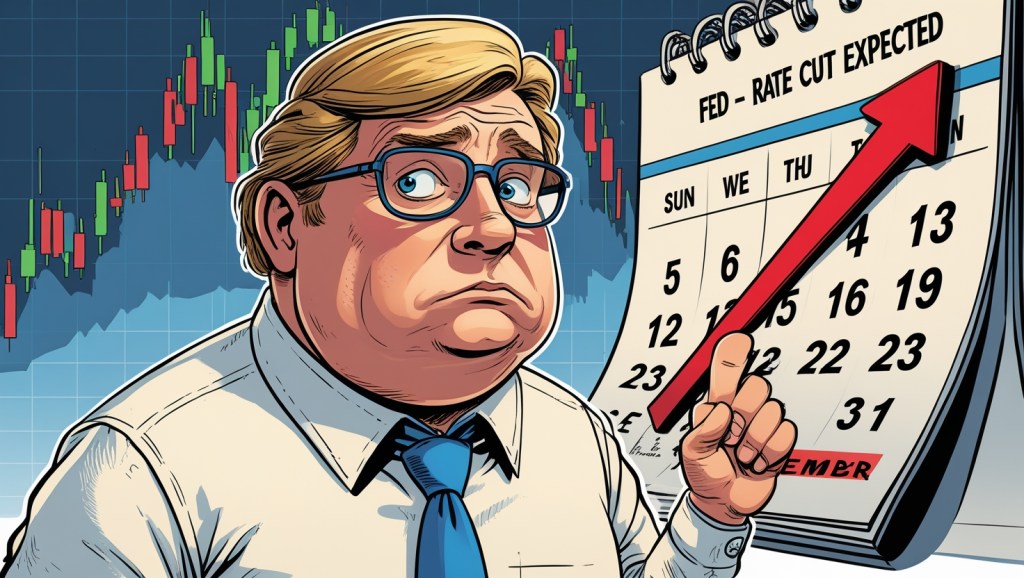
Markets are brimming with expectation: traders now see a 90% chance of a 25-basis-point Federal Reserve rate cut at the upcoming September meeting — and even a 10% possibility of a 50 bps cut. This shift follows a weaker-than-expected U.S. jobs report and growing evidence of a cooling labor market. In this article, we break down what’s happening, why Wall Street is betting on easing, and what it means for consumers and investors alike.
1. Weak Jobs Data Fuels Growing Rate-Cut Expectations
The August payroll report revealed a sluggish addition of just 22,000 new jobs, accompanied by an increase in the unemployment rate to 4.3%, the highest since 2021. This stark slowdown has radically altered market sentiment, leading futures to price in nearly certain rate cuts and even some odds of an accelerated 50 bps reduction.
Major financial institutions such as Barclays, Standard Chartered, and Bank of America have adjusted their forecasts for softer policy, with some now expecting three rate cuts before year’s end.
2. Bond Yields Fall, Stock Futures Rally
In response to heightened easing prospects, U.S. Treasury yields dropped, igniting gains in stock futures. S&P 500, Dow, and Nasdaq futures all ticked upward early Monday, setting the tone for a bullish start.
Equities have kept climbing — even hitting records — as Americans weigh the possible monetary policy shift amid growing economic uncertainty.
3. Fed Officials Signal Cautious Optimism
San Francisco Fed President Mary Daly and New York Fed chief John Williams have both echoed a cautious path forward. While they acknowledge heightened labor risks and tilt toward rate cuts, they remain vigilant on inflation, softened yet persistent in light of tariff-related pressures.
Williams expects inflation, measured by the PCE index, to stay elevated near 3% this year before normalizing toward 2% by 2027, suggesting a gradual easing approach.
4. Broader Market Implications
A shift to easier policy could ease borrowing costs for consumers and businesses, spurring activity across the housing, auto, and tech sectors. It could also stabilize bond markets while reducing pressure on yield-sensitive assets.
However, Fed officials are aware of the lingering inflationary tailwinds — particularly from tariffs — and are signaling that any cuts must be data-approved, not preemptive.
Conclusion
Markets are betting big on rate cuts in September. Weak labor data has shifted the narrative decisively toward easing, buoying stocks and recalibrating expectations across the board. Yet even as speculation runs high, the Fed is poised to tread carefully — balancing support for the economy with the persistent threat of inflation.
References
This article is informed by recent market reports from Reuters, MarketWatch, and UBP (Union Bancaire Privée). Key insights were drawn from investor updates and commentary around the Federal Reserve’s upcoming September policy decision.
 Smart Money Tech