
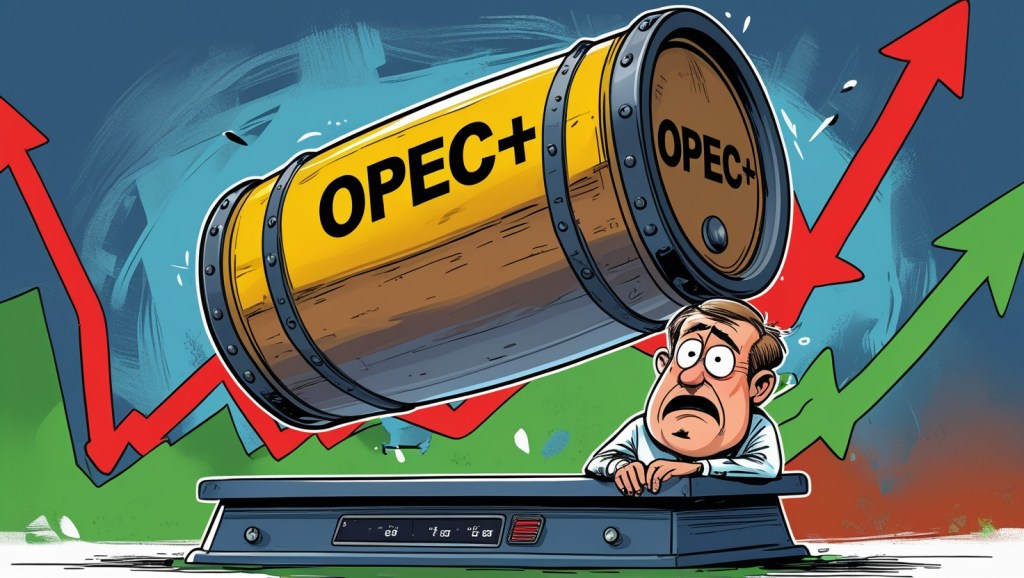
OPEC+ is making headlines again. Starting in October 2025, the oil-producing alliance plans to increase output by 137,000 barrels per day. While the change might seem minor on the surface, it signals a deeper shift in global energy strategy—one that could influence inflation, market volatility, and the broader economic outlook. This article breaks down what this new production strategy means for consumers, investors, and the global recovery.
1. A Small Increase, a Loud Message
The October increase of 137,000 barrels per day marks a sharp slowdown from the production boosts of previous months, which exceeded 500,000 barrels daily. Analysts view this as a signal that OPEC+ is trying to balance market share ambitions with price stability.
Rather than aggressively flooding the market, the group appears to be testing how much oil the global economy can absorb without sending prices spiraling downward. It’s a cautious move, but one with long-term implications.
2. Behind the Strategy: Market Share Over Margins
Since early 2024, OPEC+ has been working to reverse voluntary cuts totaling over 2 million barrels per day. The motive? To reclaim market share from rising U.S. shale producers and other non-OPEC exporters.
While the strategy might help OPEC+ maintain geopolitical influence, it also raises the risk of oversupply. Some forecasts now expect a growing surplus by 2026, which could push oil prices below $60 per barrel—potentially shaking up energy stocks and oil-dependent economies.
3. Oil Prices, Inflation, and the Global Economy
For consumers, a surplus-driven dip in oil prices could offer relief at the gas pump and in logistics costs. But for investors and governments, it’s a double-edged sword.
Cheaper oil often translates to lower inflation, which may influence central bank policies—particularly in the U.S., where the Federal Reserve is closely watching fuel prices as part of its inflation indicators. However, for countries that rely heavily on oil exports, shrinking profit margins could trigger fiscal tightening and social unrest.
4. The Energy Market’s Balancing Act
This production move illustrates the tightrope OPEC+ is walking. The alliance wants to stay relevant and profitable—but not at the cost of destabilizing the market. If output continues to climb without matching demand, a price crash could follow. Conversely, holding back too much production may allow competitors to fill the gap.
It’s not just about barrels. It’s about influence, timing, and who gets to lead the next phase of the global energy transition.
Conclusion
OPEC+’s modest output increase for October 2025 may look like a technical adjustment, but it reflects a deeper strategic play. As the world shifts toward new energy sources and geopolitical priorities, oil producers are redefining their roles. For now, consumers may benefit from slightly cheaper fuel—but investors and governments should prepare for a market that’s anything but predictable.
References
This article is based on reports and insights published in early September 2025 by MarketWatch, Reuters, and Barron’s. Analysts from Goldman Sachs and UBS contributed forecasts about oil supply and demand for 2026, while financial commentary from the Wall Street Journal and the International Energy Agency helped inform the broader market context.
 Smart Money Tech