
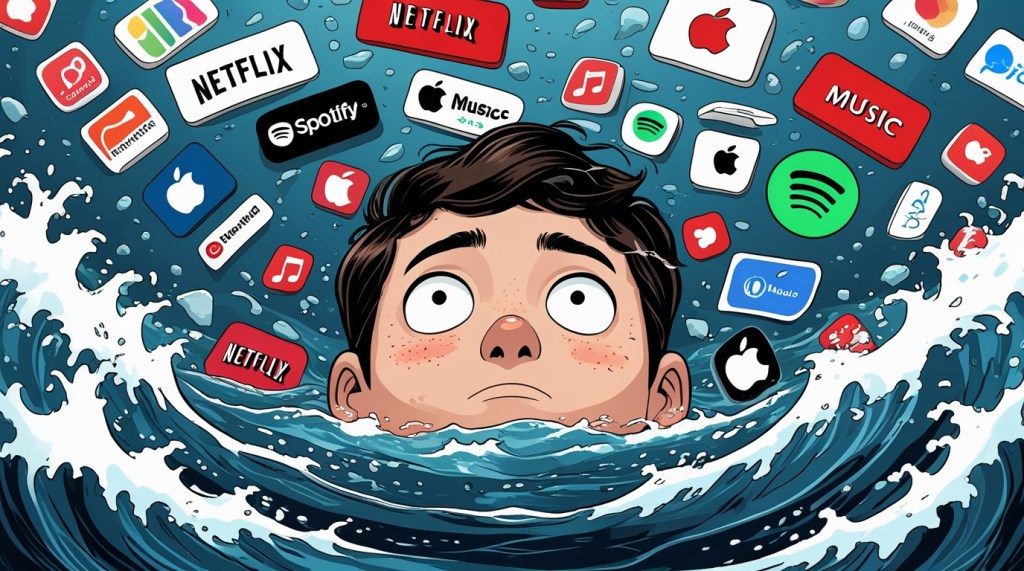
The Hidden Drain on Modern Budgets
Subscriptions have become the backbone of modern life. From Netflix to Spotify, meal kits to fitness apps, they promise convenience at a low monthly cost. But here’s the problem: these small charges silently multiply. This phenomenon, known as subscription creep, is one of the most overlooked threats to personal finance in 2025.
While each service feels affordable on its own, together they can quietly consume thousands of dollars per year. And because payments are automatic, many people don’t even notice the leak until it’s too late.
What Is Subscription Creep?
Subscription creep happens when you gradually accumulate too many recurring services—streaming, software, cloud storage, subscription boxes, and more—without actively managing them.
It usually starts small:
- $9.99 for a music app.
- $14.99 for a video streaming service.
- $5.99 for cloud storage.
Individually, no big deal. But by the time you stack fitness apps, meal deliveries, and premium news outlets, you may be spending $200–$500 monthly without realizing it.
The Real Financial Impact
- Compounding Losses
- $50 wasted per month equals $600 a year.
- If invested instead, that $600 could grow into more than $8,000 in 10 years (assuming a 10% annual return).
- Lifestyle Inflation
- Subscriptions create the illusion of affordability. Instead of making intentional purchases, you slide into recurring commitments that feel “invisible” but still erode wealth.
- Psychological Blind Spot
- Because charges are automated, they rarely trigger the same pain of payment as swiping a credit card. This makes them easy to ignore and harder to cut.
Common Examples of Subscription Creep
- Paying for four streaming services but actively using only one.
- Signing up for trial periods and forgetting to cancel.
- Having multiple cloud storage accounts (Google, iCloud, Dropbox) instead of consolidating.
- Subscribing to productivity tools you rarely open.
How to Take Control of Subscriptions
Here’s how to stop subscription creep from silently draining your wealth:
- Conduct a Subscription Audit
- Review your bank statements and app store subscriptions.
- List every recurring charge, no matter how small.
- Categorize by Value
- Keep only the subscriptions you use weekly or that save you time and money.
- Cancel “aspirational” ones you signed up for but rarely touch.
- Bundle Smartly
- Many companies offer family plans or bundled services (e.g., Apple One, Amazon Prime). Use them strategically instead of paying for each individually.
- Use Tracking Tools
- Apps like Truebill (Rocket Money) or Mint identify forgotten subscriptions automatically.
- Set Renewal Reminders
- If you do sign up for trials, mark the renewal date in your calendar to decide before you’re charged.
When Subscriptions Make Sense
Not all subscriptions are bad. Some can actually save money or increase productivity—like an Amazon Prime membership that reduces delivery costs or professional software that boosts income. The key is intentionality: paying only for what delivers measurable value.
Conclusion: Small Leaks Sink Big Ships
Subscription creep is a financial leak disguised as convenience. By auditing, consolidating, and canceling unnecessary services, you can redirect hundreds—or even thousands—of dollars per year toward savings, debt repayment, or investments.
The truth is simple: own your subscriptions, or they’ll own your wallet.
 Smart Money Tech