
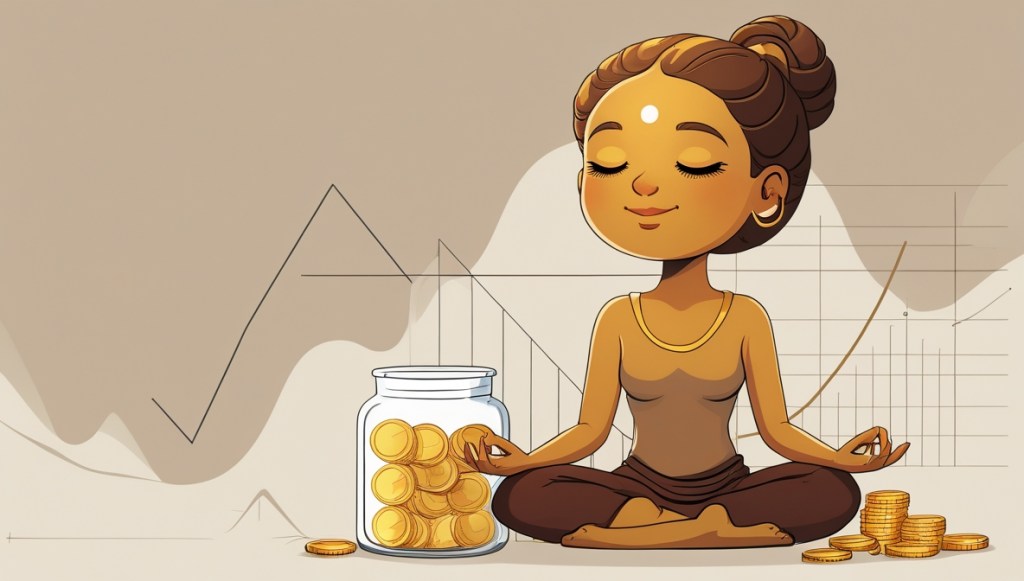
Saving Money Isn’t Just Math — It’s Mindset
Everyone knows they should save money. But knowing and doing are two very different things.
Despite budgeting apps, financial influencers, and automated savings tools, most people still fail to build consistent savings habits. Why? Because saving money isn’t just a financial problem — it’s a psychological one.
This article explores the real reasons why saving feels so hard and the behavioral changes that can finally make it work — no guilt, no unrealistic spreadsheets, just human psychology at its core.
Why Saving Money Feels So Hard
1. We’re Wired for Instant Gratification
Our brains evolved for survival, not long-term planning. Getting a small reward now feels safer than waiting for a larger one later — it’s called hyperbolic discounting.
That’s why skipping coffee for “retirement savings” feels meaningless. The reward is too abstract, too far away.
2. Social Comparison Drains Motivation
We don’t save in isolation. We scroll through vacations, new cars, and lifestyle upgrades on social media — and suddenly, our healthy bank account feels like a failure.
Saving feels like missing out, not moving forward.
3. The Myth of “I’ll Save When I Earn More”
Many people believe they’ll start saving when their income grows. But research shows the opposite: as income rises, so does lifestyle spending.
Saving isn’t about how much you make — it’s about how much you keep.
The Emotional Triggers Behind Spending
Before we fix saving, we must understand why we spend:
- Stress: Retail therapy offers short-term relief.
- Boredom: Shopping becomes entertainment.
- Status: Purchases validate identity and belonging.
- Fear: People buy to feel in control, even when it’s irrational.
Recognizing emotional spending patterns is the first step to rewiring them.
How to Reprogram Your Saving Habits
1. Automate Good Decisions
Decision fatigue kills consistency. Set automatic transfers on payday — even small ones — so you save before temptation strikes.
2. Anchor Your Goals to Emotion, Not Numbers
Don’t save for “$10,000.” Save for freedom from stress, your dream trip, or your first home. The brain connects emotionally to purpose, not percentages.
3. Redefine Reward
Create small rewards for saving milestones. It trains your brain to associate saving with satisfaction, not sacrifice.
4. Visualize Progress
Use simple visual tools — charts, jars, or even a progress bar app. Seeing your money grow keeps motivation alive.
5. Build a “No-Spend Routine”
One day a week, challenge yourself to spend nothing. Redirect that awareness into reviewing your goals or learning something new about money.
Why Mindset Beats Math Every Time
Financial success isn’t about IQ — it’s about emotional control. The most successful savers aren’t necessarily the highest earners; they’re the most consistent.
Changing your money habits starts with understanding your behavior, not fighting it.
As Morgan Housel says in The Psychology of Money:
“Wealth is what you don’t see. It’s the cars not bought, the clothes not purchased, the vacations not taken.”
Conclusion: Saving Is an Act of Self-Respect
Saving isn’t punishment — it’s empowerment. It’s the daily decision to value your future self as much as your present one.
When you stop seeing saving as deprivation and start seeing it as freedom, everything changes.
So next time you hesitate to save, remember: your peace of mind is the highest return on investment you’ll ever earn.
Recommended Reading
If this topic resonates with you, The Psychology of Money by Morgan Housel is a must-read. It explores how emotions, ego, and habits shape financial outcomes — and why behavior often matters more than knowledge.
 Smart Money Tech