
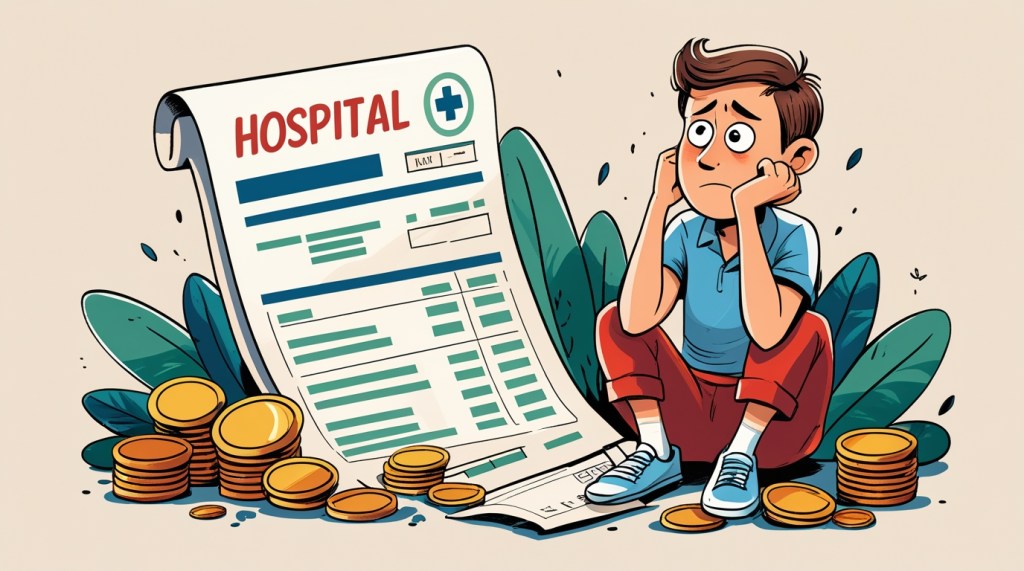
The Expense Nobody Plans For
Health emergencies rarely send a warning. One day, life feels normal — the next, you’re sitting in a waiting room, worried about someone you love and silently calculating how much the visit will cost.
It’s not just about medical bills. It’s the lost workdays, medications, and emotional toll that quietly turn a crisis into a financial storm. Even in countries with public healthcare, like Italy, or private insurance, like the U.S., the hidden costs of getting sick often fall directly on the family’s budget.
The truth is simple but uncomfortable: being unprepared for a medical emergency can destroy months — or even years — of financial progress.
The Real Cost of “Free” Healthcare
Many people believe they’re safe because they have public healthcare or basic insurance. But reality paints a different picture.
Even when consultations and treatments are partially covered, expenses add up fast:
- Medication and supplements not included in the coverage.
- Transportation to and from appointments or hospitals.
- Special diets or home care needs after recovery.
- Lost wages for family members who take time off work.
In a single month, these secondary costs can exceed €300–€500 in Europe — or $600–$1,000 in the U.S.
These aren’t luxury expenses. They’re survival costs.
Why Most Budgets Fail Under Pressure
Budgeting is easy when life goes according to plan. But during emergencies, even the most disciplined planners hit a wall.
That’s because standard budgets often forget one crucial rule: life happens.
When a health issue strikes, it’s rarely just a medical problem — it’s a ripple effect:
- Missed rent or mortgage payments.
- Credit card debt accumulation.
- Postponed savings or investments.
- Emotional stress that leads to more spending.
This is why a “perfect” budget is less important than a resilient one — a plan that bends without breaking when life changes overnight.
Building a Health Emergency Cushion
If the story of my friend and her cat in Italy taught us anything, it’s that emergencies come in all sizes — and preparation is the only real protection.
Here’s how to create a simple, practical health buffer that actually works:
1. Separate Emergency Funds by Category
Don’t lump everything into one account. Create small “buckets”:
- General emergencies (car, home, etc.)
- Health emergencies
- Pet care (if applicable)
Even saving $30–$50 per month in a separate health account builds a meaningful cushion over time.
2. Review Your Insurance — and Know What It Really Covers
Most people don’t read the fine print until it’s too late. Understand:
- What your deductible is.
- Which hospitals or clinics are included.
- If chronic conditions or dental emergencies are covered.
Knowledge prevents panic.
3. Always Have a “Quick Cash” Option
Keep a small portion of your savings in a high-liquidity account — something you can access instantly without penalties. Emergencies don’t wait for bank approval.
4. Document Everything
Medical expenses are often tax-deductible in part or reimbursable. Keep digital copies of all receipts and prescriptions — they can save you hundreds later.
The Emotional Side of Financial Stress
Money stress during a health emergency compounds the fear and exhaustion of the moment.
Studies show that financial anxiety can delay recovery, increase depression, and even lead to worse health outcomes.
That’s why an emergency fund isn’t just financial — it’s psychological insurance. It lets you focus on healing, not surviving.
Conclusion: Health Is Priceless, But Preparation Has a Price
Getting sick is part of being human. Going broke because of it doesn’t have to be.
By planning ahead — even in small, consistent steps — you protect more than your wallet. You protect your stability, your peace of mind, and your ability to recover without fear.
Because when life hits hard, money shouldn’t be another wound to heal.
Recommended Reading
If you want to understand how money, emotions, and uncertainty intertwine, read “Your Money or Your Life” by Vicki Robin. It’s a timeless book on building resilience, redefining wealth, and finding peace with your financial decisions.
 Smart Money Tech