The Meme Stock That Refuses to Die
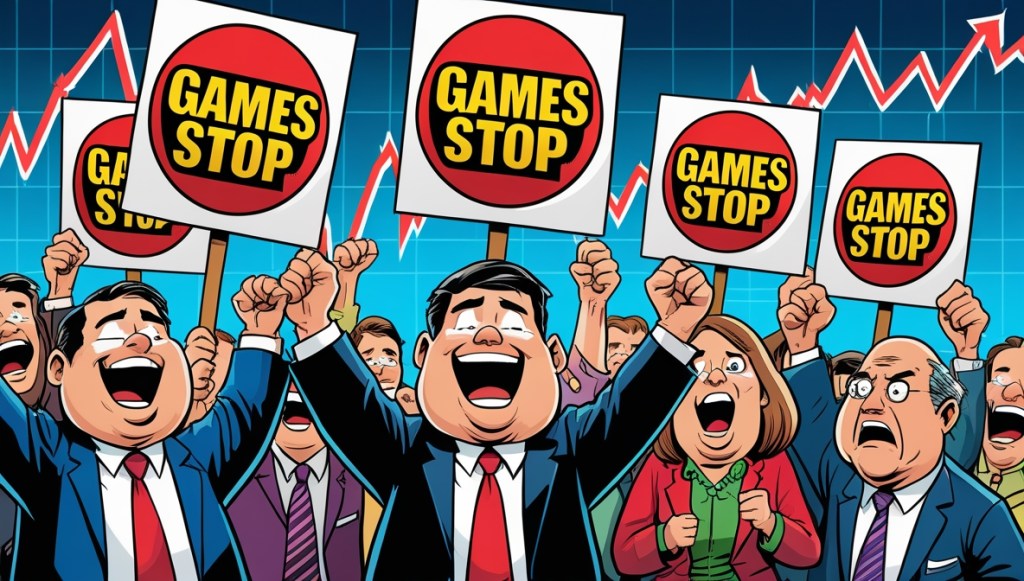
Just when Wall Street thought the GameStop saga was over, the meme stock that defined a generation of retail investors is trending again.
After months of silence, GME has returned to the spotlight — fueled by social media buzz, nostalgic traders, and renewed speculation about short squeezes. The price spikes have reignited the same debate that shook financial markets back in 2021: is this a revolution or déjà vu?
What Sparked the New GME Rally?
The latest GameStop rally began after rumors of fresh leadership changes and potential business pivots circulated online. Some retail traders interpreted it as a sign that the company might reinvent itself — possibly by diving deeper into digital commerce or gaming technology.
Meanwhile, posts on X (formerly Twitter) and Reddit’s r/WallStreetBets once again became flooded with rocket emojis, diamond hands, and nostalgic calls to “hold the line.”
In other words, history seems to be repeating itself — but this time, the market context is very different.
A New Market, A Different Crowd
In 2021, GameStop’s short squeeze was fueled by an unprecedented mix of stimulus money, lockdown boredom, and viral momentum. The world was a different place — interest rates were near zero, and millions of new traders had just opened their first brokerage accounts.
Today, we’re in a post-pandemic market defined by higher interest rates, tighter liquidity, and smarter retail investors. The players might be the same, but the game has changed.
Many who joined for the memes now understand concepts like short interest, float, and options gamma squeezes. This new wave of GME buyers may be less reckless — but no less passionate.
GameStop’s Fundamentals: Still a Struggle
Let’s be clear: GameStop’s business hasn’t transformed overnight. The company still faces major headwinds, including declining physical game sales and stiff competition from digital platforms like Steam and the PlayStation Store.
Its latest quarterly report showed flat revenue and minimal profitability, raising questions about how long the hype can last without real progress.
However, the company’s cash reserves and low debt levels provide a small cushion, allowing it to survive longer than many expected. That survival itself keeps the retail dream alive.
The Psychology of Meme Stocks
GameStop’s resurgence highlights something deeper than numbers — it’s about community, rebellion, and identity.
The “meme stock” phenomenon represents a collective movement of small investors refusing to play by Wall Street’s traditional rules. GME, AMC, and other symbols of that era aren’t just tickers; they’re cultural statements.
But there’s a dark side too: volatility can crush latecomers, and emotional investing often ends in losses. As the saying goes, “the crowd can move markets, but it can’t rewrite math.”
Is It Worth Buying GameStop in 2025?
If you’re thinking about jumping in, proceed with caution.
GameStop’s fundamentals still don’t justify its current valuation, and the stock remains highly speculative. However, for experienced traders with a small speculative portion of their portfolio, GME can still serve as a high-risk, high-drama trade.
The key is knowing whether you’re investing — or just betting on nostalgia.
Conclusion: The Legend Lives On
GameStop isn’t just a company anymore; it’s a story. A story about ordinary people moving markets, about hope and defiance, and about the thin line between financial empowerment and collective delusion.
Whether the hype ends tomorrow or sparks a new chapter, one thing is clear: GME will never truly disappear. As long as there’s a market — and a meme — the legend lives on.
References
- CNBC, GameStop Shares Surge Again as Meme Traders Return, 2025.
- Bloomberg, GME’s Volatile Comeback Shows Meme Stock Spirit Isn’t Dead, 2025.
- The Verge, How GameStop Became a Cultural Financial Movement, 2025.
 Smart Money Tech