When Life (and Your Pet) Get Sick: Why Emergency Funds Matter More Than Ever


When an Unexpected Vet Bill Hits Home

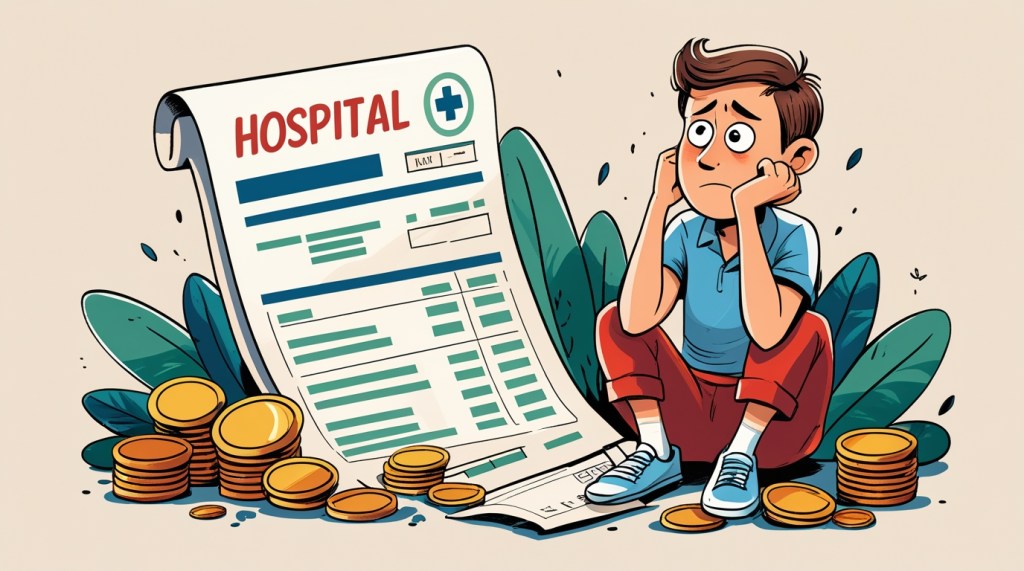
A close friend of mine here in Italy recently went through something every pet owner fears. Her cat, a perfectly healthy indoor feline, suddenly became lethargic and refused to eat. Within hours, he was at the veterinary hospital — diagnosed with a severe viral infection that required immediate treatment.

The final cost? €330.

That might not sound like a fortune, but when you consider that the average monthly salary in Italy is around €1,500, it’s over 20% of someone’s income gone in a single week — all because of a situation no one could have predicted.

And that’s the real lesson here: financial emergencies don’t always come from humans.


The Hidden Costs of “Small Emergencies”

We often imagine emergency funds as a safety net for job loss, medical bills, or car repairs. But life has smaller, quieter ways of testing our finances:

  • A broken washing machine.
  • A vet bill for your pet’s infection.
  • Plane tickets for a family emergency.

These aren’t luxury expenses — they’re life maintenance costs. Yet they often arrive at the worst possible time.

When you don’t have a buffer, even small emergencies can trigger a chain reaction: dipping into credit cards, delaying rent, or skipping other important bills.


Why Pet Emergencies Hit Harder Than You Think

Most people insure their cars and homes, but not their pets. And yet, the emotional bond we have with animals often leads us to pay whatever it takes when something happens.

In countries like the U.S. or Italy, a single veterinary emergency can easily exceed $300–$1,000 — especially if surgery or overnight care is involved.

That’s why more experts are now recommending two options for pet owners:

  1. A small dedicated pet emergency fund, even just $20–$30/month saved separately.
  2. Pet insurance that covers illness and accidents, which often costs less than a streaming subscription.

These small steps can mean the difference between financial stress and peace of mind when your furry friend needs care.


Building an Emergency Fund (That Actually Works)

Even if you’re not a pet owner, this story is a reminder that financial stability is built on preparation, not prediction.

Here’s a simple framework to follow:

  1. Start Small
    • Aim for at least one month of essential expenses first.
    • If that feels overwhelming, start with $500 — it’s enough to handle most “micro-emergencies.”
  2. Automate It
    • Set a recurring transfer right after payday.
    • Treat it as a bill to your future self.
  3. Separate It
    • Keep emergency funds in a separate savings account — not your daily checking. Out of sight, out of temptation.
  4. Rebuild After You Use It
    • Emergencies are meant to happen. Don’t feel guilty when you dip into savings — just rebuild as soon as possible.

The Real Lesson: Prevention Is Cheaper Than Reaction

For my friend, that €330 wasn’t just a veterinary expense — it was a financial wake-up call.

Having an emergency fund is not about expecting bad things to happen; it’s about ensuring that when they do, your financial stability — and your peace of mind — stay intact.

Whether it’s a sick cat, a broken boiler, or an unexpected bill, the best time to prepare was yesterday — but the second-best time is now.


Recommended Reading

If you want to strengthen your financial safety net, I highly recommend “Your Money or Your Life” by Vicki Robin — a timeless guide to reshaping how you think about money, security, and purpose.

👉 Buy Here

September 2025 Market Recap: Inflation, AI, and Global Shifts That Defined the Month


A Month of Mixed Signals

September 2025 was a month of contrasts for the global economy — steady growth in some sectors, deep uncertainty in others.

Inflation showed signs of cooling in the U.S., but central banks worldwide stayed cautious. Meanwhile, tech giants continued reshaping markets with massive AI investments, and geopolitical tensions reminded investors that stability remains fragile.

Here’s a look back at the major forces that shaped the month — and what they mean for the months ahead.


Inflation Eases, But Not Enough for Rate Cuts

After nearly two years of high interest rates, inflation finally began to cool across major economies.

  • U.S. inflation fell to 2.4%, its lowest since early 2022.
  • Europe saw moderate progress, though the ECB remains cautious.
  • Emerging markets faced volatility due to oil prices and currency swings.

The Federal Reserve maintained its “wait-and-see” approach, hinting that any rate cuts would likely come later this year — depending on labor data and consumer spending.

For everyday consumers, the slowdown in inflation offered some relief at the grocery store, but housing and energy costs remained stubbornly high.


Big Tech Keeps Driving Market Growth

While traditional sectors slowed, AI-driven companies continued dominating headlines and portfolios:

  • Microsoft crossed the $4 trillion valuation milestone, powered by enterprise AI adoption and continued Copilot growth.
  • NVIDIA extended its lead in the AI chip market, though supply chain bottlenecks persisted.
  • Apple held steady with strong preorders of the new iPhone 17, proving consumer appetite for premium devices remains resilient.
  • Amazon reported slower profits due to infrastructure spending but continued expanding its AI cloud services.

Tech stocks now make up nearly 35% of the S&P 500’s total market cap, highlighting both their dominance and the concentration risk for investors.


The Rise of AI Regulation

This month also brought new momentum to AI regulation:

  • The EU’s AI Act entered its final phase of implementation.
  • Several U.S. states introduced laws around algorithmic bias, data privacy, and AI transparency.
  • Asian markets, particularly South Korea and Singapore, announced their own frameworks for ethical AI use.

The result: while innovation continues, Big Tech is entering a new era of accountability.


Global Markets React to Oil, China, and Currency Moves

Outside of tech, global headlines influenced investor sentiment:

  • Oil prices surged briefly after new OPEC production cuts.
  • China’s economy showed uneven recovery, with slower exports and weaker domestic demand.
  • The U.S. dollar remained strong, creating pressure on emerging market debt and global trade.

Investors continued shifting toward defensive assets like bonds, utilities, and dividend-paying stocks.


Investor Sentiment: Resilient but Cautious

Despite the turbulence, investor confidence didn’t collapse. The VIX volatility index stayed relatively low, and retail investors kept buying dips in tech and energy.

However, experts warn that market optimism may be fragile — especially if inflation rebounds or AI valuations cool off.


Conclusion: Stability Is the New Luxury

September reminded investors of a simple truth: in a world driven by innovation and uncertainty, stability is the new luxury.

While the economy is far from crisis, it’s also far from calm. The winners of the next cycle won’t be those chasing hype — they’ll be the ones who adapt intelligently to both risk and regulation.


Recommended Reading

For readers who want to better understand how stories, psychology, and market narratives shape financial behavior, check out “Narrative Economics” by Robert Shiller — a must-read for anyone trying to interpret today’s volatile economy.

👉 You can find the book here on Amazon.

The Psychology of Saving: Why We Struggle to Keep Money — and How to Change That


Saving Money Isn’t Just Math — It’s Mindset

Everyone knows they should save money. But knowing and doing are two very different things.

Despite budgeting apps, financial influencers, and automated savings tools, most people still fail to build consistent savings habits. Why? Because saving money isn’t just a financial problem — it’s a psychological one.

This article explores the real reasons why saving feels so hard and the behavioral changes that can finally make it work — no guilt, no unrealistic spreadsheets, just human psychology at its core.


Why Saving Money Feels So Hard

1. We’re Wired for Instant Gratification

Our brains evolved for survival, not long-term planning. Getting a small reward now feels safer than waiting for a larger one later — it’s called hyperbolic discounting.

That’s why skipping coffee for “retirement savings” feels meaningless. The reward is too abstract, too far away.

2. Social Comparison Drains Motivation

We don’t save in isolation. We scroll through vacations, new cars, and lifestyle upgrades on social media — and suddenly, our healthy bank account feels like a failure.

Saving feels like missing out, not moving forward.

3. The Myth of “I’ll Save When I Earn More”

Many people believe they’ll start saving when their income grows. But research shows the opposite: as income rises, so does lifestyle spending.

Saving isn’t about how much you make — it’s about how much you keep.


The Emotional Triggers Behind Spending

Before we fix saving, we must understand why we spend:

  • Stress: Retail therapy offers short-term relief.
  • Boredom: Shopping becomes entertainment.
  • Status: Purchases validate identity and belonging.
  • Fear: People buy to feel in control, even when it’s irrational.

Recognizing emotional spending patterns is the first step to rewiring them.


How to Reprogram Your Saving Habits

1. Automate Good Decisions

Decision fatigue kills consistency. Set automatic transfers on payday — even small ones — so you save before temptation strikes.

2. Anchor Your Goals to Emotion, Not Numbers

Don’t save for “$10,000.” Save for freedom from stress, your dream trip, or your first home. The brain connects emotionally to purpose, not percentages.

3. Redefine Reward

Create small rewards for saving milestones. It trains your brain to associate saving with satisfaction, not sacrifice.

4. Visualize Progress

Use simple visual tools — charts, jars, or even a progress bar app. Seeing your money grow keeps motivation alive.

5. Build a “No-Spend Routine”

One day a week, challenge yourself to spend nothing. Redirect that awareness into reviewing your goals or learning something new about money.


Why Mindset Beats Math Every Time

Financial success isn’t about IQ — it’s about emotional control. The most successful savers aren’t necessarily the highest earners; they’re the most consistent.

Changing your money habits starts with understanding your behavior, not fighting it.

As Morgan Housel says in The Psychology of Money:

“Wealth is what you don’t see. It’s the cars not bought, the clothes not purchased, the vacations not taken.”


Conclusion: Saving Is an Act of Self-Respect

Saving isn’t punishment — it’s empowerment. It’s the daily decision to value your future self as much as your present one.

When you stop seeing saving as deprivation and start seeing it as freedom, everything changes.

So next time you hesitate to save, remember: your peace of mind is the highest return on investment you’ll ever earn.


Recommended Reading

If this topic resonates with you, The Psychology of Money by Morgan Housel is a must-read. It explores how emotions, ego, and habits shape financial outcomes — and why behavior often matters more than knowledge.

The Silent Cost of Subscription Creep — And How to Stop It Before It Eats Your Wealth

The Hidden Drain on Modern Budgets

Subscriptions have become the backbone of modern life. From Netflix to Spotify, meal kits to fitness apps, they promise convenience at a low monthly cost. But here’s the problem: these small charges silently multiply. This phenomenon, known as subscription creep, is one of the most overlooked threats to personal finance in 2025.

While each service feels affordable on its own, together they can quietly consume thousands of dollars per year. And because payments are automatic, many people don’t even notice the leak until it’s too late.

What Is Subscription Creep?

Subscription creep happens when you gradually accumulate too many recurring services—streaming, software, cloud storage, subscription boxes, and more—without actively managing them.

It usually starts small:

  • $9.99 for a music app.
  • $14.99 for a video streaming service.
  • $5.99 for cloud storage.

Individually, no big deal. But by the time you stack fitness apps, meal deliveries, and premium news outlets, you may be spending $200–$500 monthly without realizing it.

The Real Financial Impact

  1. Compounding Losses
    • $50 wasted per month equals $600 a year.
    • If invested instead, that $600 could grow into more than $8,000 in 10 years (assuming a 10% annual return).
  2. Lifestyle Inflation
    • Subscriptions create the illusion of affordability. Instead of making intentional purchases, you slide into recurring commitments that feel “invisible” but still erode wealth.
  3. Psychological Blind Spot
    • Because charges are automated, they rarely trigger the same pain of payment as swiping a credit card. This makes them easy to ignore and harder to cut.

Common Examples of Subscription Creep

  • Paying for four streaming services but actively using only one.
  • Signing up for trial periods and forgetting to cancel.
  • Having multiple cloud storage accounts (Google, iCloud, Dropbox) instead of consolidating.
  • Subscribing to productivity tools you rarely open.

How to Take Control of Subscriptions

Here’s how to stop subscription creep from silently draining your wealth:

  1. Conduct a Subscription Audit
    • Review your bank statements and app store subscriptions.
    • List every recurring charge, no matter how small.
  2. Categorize by Value
    • Keep only the subscriptions you use weekly or that save you time and money.
    • Cancel “aspirational” ones you signed up for but rarely touch.
  3. Bundle Smartly
    • Many companies offer family plans or bundled services (e.g., Apple One, Amazon Prime). Use them strategically instead of paying for each individually.
  4. Use Tracking Tools
    • Apps like Truebill (Rocket Money) or Mint identify forgotten subscriptions automatically.
  5. Set Renewal Reminders
    • If you do sign up for trials, mark the renewal date in your calendar to decide before you’re charged.

When Subscriptions Make Sense

Not all subscriptions are bad. Some can actually save money or increase productivity—like an Amazon Prime membership that reduces delivery costs or professional software that boosts income. The key is intentionality: paying only for what delivers measurable value.

Conclusion: Small Leaks Sink Big Ships

Subscription creep is a financial leak disguised as convenience. By auditing, consolidating, and canceling unnecessary services, you can redirect hundreds—or even thousands—of dollars per year toward savings, debt repayment, or investments.

The truth is simple: own your subscriptions, or they’ll own your wallet.

Financial Decision Fatigue: How Too Many Choices Drain Your Wallet

The Hidden Enemy of Smart Money Decisions

In personal finance, most people focus on budgeting, saving, and investing. But there’s a silent factor that shapes nearly every financial outcome: decision fatigue. It’s the mental exhaustion that comes from making too many choices in a day. And in today’s world—filled with endless banks, cards, apps, and investment options—it’s easier than ever to fall into financial traps simply because your brain is tired.

What Is Decision Fatigue in Finance?

Decision fatigue is a psychological phenomenon where the quality of your choices decreases after a long session of decision-making. While it’s been studied in law and healthcare, its impact on money is just as powerful.

Think about it:

  • You start your day deciding which coffee subscription to keep.
  • At work, you compare investment options for your 401(k).
  • In the evening, you’re bombarded with ads for new fintech apps, insurance packages, and “must-have” subscriptions.

By the time you make a financial decision that really matters, your mental energy is already drained.

How It Drains Your Wallet

The consequences of decision fatigue often appear in subtle but expensive ways:

  • Impulse purchases: choosing the quick dopamine hit over long-term savings.
  • Overpaying for convenience: accepting high fees or overpriced services because it’s easier.
  • Procrastination: delaying investments or debt payments, which leads to lost opportunities.
  • Fragmented systems: juggling too many accounts, apps, and cards, which makes financial tracking harder and less effective.

In the long run, these small errors compound—just like interest does.

Real-Life Examples

  • A professional with six credit cards who keeps missing due dates simply because of the mental load.
  • A student who downloads every budgeting app, but never sticks to one, wasting time and often missing key savings.
  • A family paying for five different streaming services they barely use, because “canceling later” always gets postponed.

How to Beat Financial Decision Fatigue

The goal isn’t to eliminate decisions—it’s to simplify them. Here’s how:

  1. Automate Where Possible
    • Set automatic transfers to savings or investments.
    • Automate bill payments for recurring expenses.
  2. Reduce Options
    • Stick to one or two bank accounts instead of many.
    • Use a single budgeting app consistently instead of chasing the newest tool.
  3. Apply Simple Rules
    • The 30-day rule: wait 30 days before big purchases.
    • The one-in-one-out rule: for every subscription you add, cancel another.
  4. Schedule Financial Check-Ins
    • Instead of deciding daily, review your finances weekly or monthly.
    • This reduces the micro-decisions that clutter your mind.
  5. Invest in Knowledge, Not Noise
    • Focus on timeless personal finance books like Rich Dad Poor Dad or The Intelligent Investor.
    • Avoid being swayed by every trending TikTok finance tip.

Why This Matters for Wealth Building

Every wasted dollar has an opportunity cost. If $100 slips away each month because of decision fatigue, that’s $1,200 a year—or over $15,000 in a decade if invested in a simple index fund. Simplifying your financial life doesn’t just save time—it builds wealth.

Conclusion: Less Choice, More Clarity

The modern world sells us unlimited options, but financial freedom comes from fewer, smarter choices. By recognizing decision fatigue and reducing unnecessary options, you give yourself the mental clarity to focus on what really matters: growing wealth and living stress-free.

Overcoming Financial Shame: How to Take Control of Your Money Without Fear

Talking about money often brings feelings of shame, guilt, or even embarrassment. Many people avoid opening bank statements, postpone budgeting, or hide financial struggles from friends and family. This “financial shame” is more common than most realize — and it silently prevents people from building wealth and security.

But here’s the truth: financial mistakes don’t define you. What matters is how you face them and move forward. In this article, we’ll explore where financial shame comes from, how it affects your daily life, and, most importantly, practical steps to overcome it.

What Is Financial Shame?

Financial shame is the negative emotion tied to money — the belief that you are “bad with money,” “irresponsible,” or “behind everyone else.” It often stems from:

  • Growing up in a household where money was taboo.
  • Comparing your lifestyle to peers on social media.
  • Past mistakes like debt, late payments, or impulsive spending.
  • Lack of financial education.

This shame can become paralyzing, preventing people from even starting simple habits like saving or budgeting.

The Hidden Cost of Financial Shame

Ignoring your finances out of embarrassment can lead to:

  • Debt accumulation: avoiding bills or credit card statements makes problems grow.
  • Missed opportunities: failing to invest early or negotiate better deals.
  • Stress and mental health struggles: constant anxiety over money leaks into every area of life.
  • Relationship issues: money is one of the top causes of conflict in marriages and partnerships.

How to Break Free from Financial Shame

1. Face the Numbers Without Judgment

Open your bank account, write down your income, expenses, and debts. Don’t label yourself as a failure — numbers are neutral, they’re just data.

2. Educate Yourself Step by Step

Financial literacy is the antidote to shame. Start small:

3. Set Micro-Goals

Instead of aiming to “become rich,” start with:

  • Saving $100 as an emergency cushion.
  • Paying off one small debt first.
  • Tracking expenses for just one week.

4. Stop Comparing Yourself to Others

Remember: Instagram doesn’t show credit card debt, student loans, or financial stress. Focus on your own progress, not curated snapshots of other people’s lives.

5. Find a Support System

Talk to a trusted friend, join online communities about personal finance, or even work with a financial advisor. Accountability removes the isolation that shame creates.

Final Thoughts

Financial shame thrives in silence. Once you take the brave step of confronting it, you realize it doesn’t control you anymore. Building confidence with money isn’t about perfection — it’s about progress.

If you’ve felt embarrassed about your finances, you’re not alone. Start with one small action today, and remember: your financial future is not defined by your past.

Best Laptops for Finance Students and Professionals in 2025

In today’s finance world, speed, portability, and reliability are not just nice-to-have features — they are essential. Whether you’re a business student running Excel models or a professional juggling multiple financial apps, the right laptop can make or break your productivity. In 2025, the laptop market is full of options, but which ones truly deliver the best value for finance students and professionals?

This guide compares the most reliable and cost-effective laptops you can buy in 2025, from budget-friendly choices to premium models.


MacBook Air M3 (Apple) – The Premium Choice

The MacBook Air M3 is Apple’s latest ultraportable laptop, combining sleek design with powerful performance. For finance professionals who rely on spreadsheets, financial modeling, and multitasking, the M3 chip ensures smooth performance without overheating.

  • Pros: Long battery life (up to 18 hours), excellent Retina display, lightweight.
  • Cons: Higher price point.
  • Best for: Professionals who prioritize quality, students who want a future-proof device.

    👉 Shop this product on Amazon.

Dell XPS 13 (2025) – The All-Rounder

The Dell XPS 13 continues to be one of the best laptops for business and finance students thanks to its balance of price, performance, and portability. With the latest Intel processors, it can handle heavy financial software and multitasking with ease.

  • Pros: Stunning InfinityEdge display, strong build, excellent keyboard.
  • Cons: Battery life slightly shorter than MacBook.
  • Best for: Students looking for reliability at a slightly lower cost than Apple.

    👉 Shop this product on Amazon.

Lenovo ThinkPad X1 Carbon Gen 12 – The Professional’s Workhorse

Lenovo’s ThinkPad X1 Carbon is legendary in the corporate world. Known for its durability and superb keyboard, this laptop is a favorite among professionals who need a dependable machine for constant use.

  • Pros: Military-grade durability, excellent typing experience, security features.
  • Cons: More expensive than other Windows laptops.
  • Best for: Professionals who need durability and enterprise-level performance.

    👉 Shop this product on Amazon.

Acer Swift X – The Budget-Friendly Performer

For finance students who need solid performance without spending over $1,000, the Acer Swift X offers surprising value. It comes with dedicated graphics, making it suitable not just for spreadsheets but also for light creative work and multitasking.

  • Pros: Affordable, dedicated GPU, good performance for the price.
  • Cons: Build quality not as premium.
  • Best for: Students on a budget who still need powerful performance.

    👉 Shop this product on Amazon.

Comparison Table

LaptopPrice RangeBattery LifeStrengthsBest For
MacBook Air M3$$$$~18 hoursPremium design, future-proofProfessionals & students
Dell XPS 13 (2025)$$$~14 hoursBalanced performance & designStudents
Lenovo X1 Carbon$$$$~15 hoursDurability, business featuresProfessionals
Acer Swift X$$~12 hoursAffordable powerBudget-conscious students

Conclusion

The best laptop for you depends on your stage and needs:

  • Finance students on a budget → Acer Swift X.
  • Balanced choice for students → Dell XPS 13.
  • Corporate professionals → Lenovo X1 Carbon.
  • Premium and future-proof option → MacBook Air M3.

Whichever you choose, remember that a laptop is not just a purchase — it’s an investment in your productivity and career growth.

👉 Next Step: 7 Gadgets That Actually Save You Money in 2025.

7 Gadgets That Actually Save You Money in 2025

Stop wasting—and start compounding your savings. These small, practical gadgets reduce energy, water, food and battery costs month after month. I picked items that pay for themselves within a year for most households.

1) Smart Plug (with Energy Monitoring)

Cut vampire power (devices that draw energy in standby) and schedule appliances.

  • Why it saves: 5–10% off your power bill by turning off idle devices automatically.
  • Look for: 15A rating, energy reports, app + Alexa/Google compatibility.
  • Amazon: [Your affiliate link here]

2) LED Smart Bulbs (or LED Starter Pack)

Instant upgrade from halogen/incandescent.

  • Why it saves: LEDs use up to 85% less energy and last 10–20× longer.
  • Look for: ≥800 lumens, 2700–3000K warm white for living spaces, 5000K for desk.
  • Amazon: [Your affiliate link here]

3) Smart Thermostat

Automates heating/cooling with geofencing and schedules.

  • Why it saves: Typical 8–15% on heating/cooling annually.
  • Look for: Compatibility with your HVAC, easy scheduling, occupancy detection.
  • Amazon: [Your affiliate link here]

4) Kill-A-Watt / Home Energy Meter

Measure exactly what each device consumes.

  • Why it saves: Identifies the real energy hogs so you can replace or unplug them.
  • Look for: kWh tracking, cost estimation, surge protection (nice to have).
  • Amazon: [Your affiliate link here]

5) High-Efficiency Showerhead (Water-Saving)

  • Why it saves: Uses ~30–40% less water while keeping good pressure; lowers water + gas/electric for heating.
  • Look for: 1.5–1.8 GPM, WaterSense certification.
  • Amazon: [Your affiliate link here]

6) Air Fryer (Mid-Size, Efficient)

  • Why it saves: Faster cook times than ovens and fewer takeout orders.
  • Look for: 4–6 qt capacity, preset programs, removable non-stick basket.
  • Amazon: [Your affiliate link here]

7) Rechargeable Battery Kit (AA/AAA + Smart Charger)

  • Why it saves: Hundreds of recharges = huge cut in battery purchases.
  • Look for: Low-self-discharge NiMH (1900–2500 mAh), charger with auto shutoff.
  • Amazon: [Your affiliate link here]

Quick Setup Plan (15 minutes)

  1. Put TV, game console and set-top box on a smart plug and schedule OFF after midnight.
  2. Replace 5 most-used bulbs with LEDs.
  3. Install showerhead and set a 5–7 minute timer.
  4. Use the energy meter to test your fridge, space heater and PC—decide what to unplug/replace.

ROI Snapshot

  • Smart plug + LED pack often pays back in 2–4 months.
  • Thermostat/showerhead typically in 6–12 months.
  • Rechargeable kit pays back after 3–5 packs of disposables.

Recommended Bundles (1-click style)


Internal links

Binance Under the Spotlight: What the Latest Buzz Means for Crypto in 2025

Why Binance Is Trending Again

Binance, the world’s largest crypto exchange by trading volume, is once again in the headlines. Over the last 24 hours, searches for “Binance” and “crypto exchange Binance” have spiked, fueled by speculation over new regulations, market volatility, and growing concerns about centralized platforms. For investors and everyday crypto users, the question remains: is Binance still the safest bet in 2025?

The Current Landscape

The crypto industry has been navigating a turbulent 2025. Regulatory pressure is mounting in the U.S. and Europe, while Asia continues to show mixed signals—welcoming innovation but tightening compliance. Binance, as the most visible player, often sets the tone for how the market reacts.

Key Issues Driving the Surge

  • Regulatory Scrutiny: Ongoing investigations in multiple jurisdictions have raised questions about transparency and compliance.
  • Security Concerns: Despite improvements, Binance has faced criticism over past hacks and how quickly it addresses vulnerabilities.
  • Market Dependence: With so many traders relying on Binance, even small disruptions can cause ripple effects across the entire crypto market.
  • New Competitors: Decentralized exchanges (DEXs) are gaining momentum, offering alternatives for users wary of centralized platforms.

Why It Matters for Investors

For retail investors, Binance is often the entry point into crypto. Its wide selection of tokens, liquidity, and low fees remain attractive. But the risks of sudden regulatory actions—or worse, restrictions—cannot be ignored. Institutional investors are also paying attention, as Binance’s performance can influence broader sentiment toward digital assets.

Alternatives to Consider

  • Coinbase: Stronger regulatory backing, but higher fees.
  • Kraken: Popular among U.S. traders for its compliance-first approach.
  • Decentralized Options (DEXs): Platforms like Uniswap or dYdX give users full control, though with less convenience.

Critical Outlook

Binance’s future hinges on its ability to adapt. If it successfully strengthens its compliance framework and security measures, it could retain dominance. If not, the shift toward regulated exchanges and decentralized solutions will accelerate.

Conclusion

Binance remains a powerhouse, but one under constant pressure. For investors in 2025, the lesson is clear: diversify your strategies, don’t rely solely on one platform, and keep a close eye on regulatory developments.

Next Step: Want to understand how these shifts affect traditional finance? Check out our latest economic outlook for September 2025.


References

  • Bloomberg – Binance Faces Ongoing Regulatory Hurdles, 2025
  • CoinDesk – The Future of Crypto Exchanges: Centralized vs Decentralized
  • Financial Times – Institutional Investors and the Crypto Shift

iOS 26: What to Expect from Apple’s Next Big Update

Official iOS 26 preview image – source: Apple Newsroom
Image credit: Apple Newsroom

The Anticipation Around iOS 26

Every year, Apple’s iOS release sparks massive anticipation, but iOS 26 feels different. With iPhone 17 making headlines, attention is also shifting to the software that powers it. iOS 26 is expected to roll out later this year, and the buzz around its potential features, AI-driven tools, and ecosystem integrations has made it one of the most searched topics in tech this week.

Expected Release Timeline

Apple has not officially confirmed the exact release date, but based on previous cycles, iOS 26 is expected to launch publicly alongside the iPhone 17 lineup in September 2025. Developer betas are already circulating, giving a glimpse of what’s to come.

Key Features to Watch

  • AI-Powered Siri: Apple is reportedly overhauling Siri with generative AI, making it smarter, more conversational, and better integrated across apps.
  • Personalized Widgets: Dynamic widgets that adapt to user habits—showing weather, calendar, or finance updates based on context.
  • Enhanced Security: Improved on-device encryption and stronger privacy controls to counter growing cybersecurity risks.
  • Cross-Device Continuity: Deeper integration with MacBooks, iPads, and Apple Vision Pro for a seamless experience.
  • Financial Tools: Rumors suggest Apple is expanding its Wallet app with advanced budgeting and credit-tracking features, aiming to rival fintech apps.

What It Means for Users

For everyday consumers, iOS 26 could make iPhones feel more like personal assistants. From financial reminders to travel updates, the system is designed to predict needs before users even open an app. For professionals, productivity and workflow automation will likely be the highlights.

The Competitive Angle

Apple isn’t just competing with Android on hardware; software is where the long-term battle lies. With Google leaning heavily on AI in Pixel devices, iOS 26 is Apple’s chance to prove it can lead in intelligent, user-first software.

Should You Upgrade?

If your device supports iOS 26, upgrading will almost certainly be worth it, especially for those who want better performance, privacy, and AI-driven convenience. The bigger question is whether the improvements justify upgrading your hardware—or if your current iPhone will be enough to enjoy the new features.

Conclusion

iOS 26 is shaping up to be one of Apple’s most significant software updates in years, blending AI, security, and usability into a single package. While the full picture will only be clear at launch, the early signals suggest Apple is aiming not just to keep up with competitors—but to set a new standard.

Next Step: Already curious about how Apple’s new software pairs with its hardware? Read our full breakdown: [iPhone 17: Everything You Need to Know About Apple’s New Flagship].


References

  • MacRumors – iOS 26 Rumors and Beta Insights, 2025
  • The Verge – Apple’s AI Ambitions in iOS
  • Bloomberg – Apple Wallet Expansions: Fintech Meets Big Tech