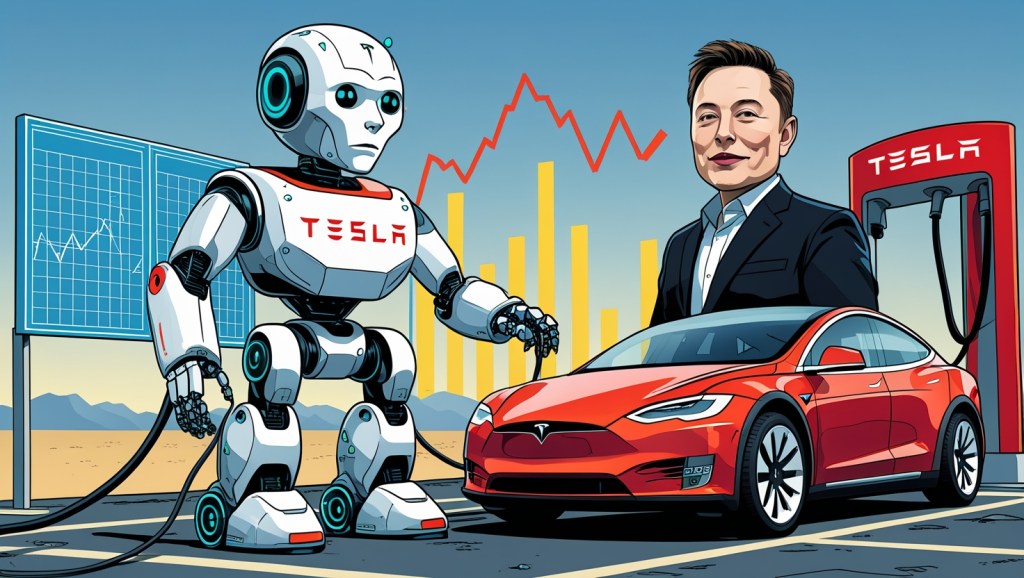
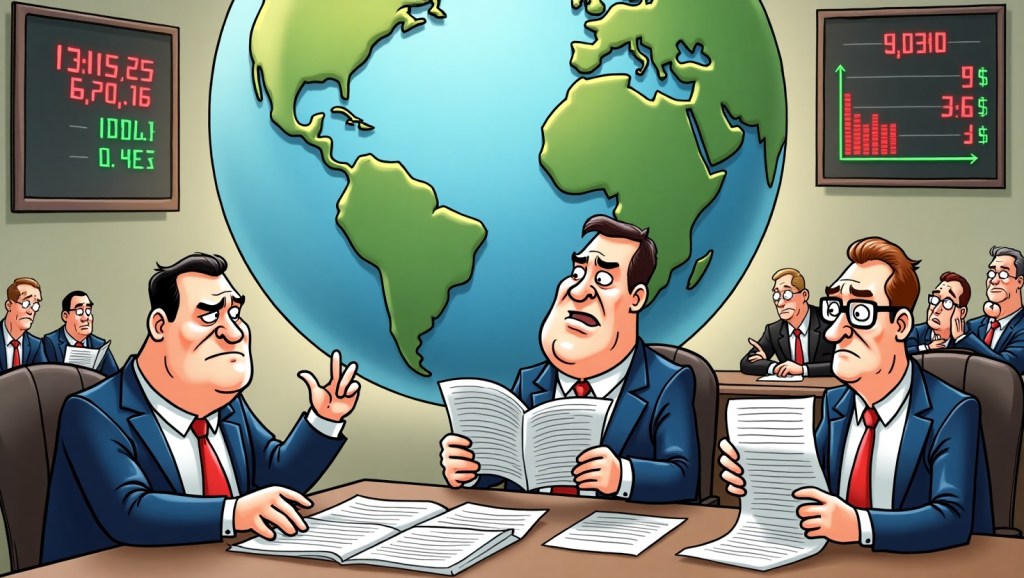
Global Finance Update: From UBS Settlements to EU‑US Trade Fallout


A Week That Exposed Cracks in the Financial System

The first week of August 2025 reminded us that financial powerhouses are not immune to scrutiny, pressure, and fallout. From major legal settlements to trade rifts in Europe, investors had plenty to digest. While megacaps like Microsoft and Meta posted bullish earnings, regulators, banks, and entire regions were grappling with deeper issues.

Here’s what actually mattered last week—and why it affects your money.


UBS to Pay $300 Million Over Mortgage Investments

The U.S. Justice Department announced a $300 million settlement with UBS, stemming from misrepresented residential mortgage-backed securities sold before 2008. Although the misconduct was linked to Credit Suisse (acquired by UBS), the message was clear:

No one escapes legacy risk—not even Swiss giants.

This reminds investors that mergers come with hidden baggage and that past financial sins still cast long shadows.


UK’s FCA Proposes Up to £18 Billion in Auto Loan Redress

In the UK, the Financial Conduct Authority (FCA) proposed a massive redress scheme worth £18 billion for mis-sold auto financing. Tens of thousands of customers may have been charged excessive interest rates based on commission-driven deals.

This could:

  • Hit bank balance sheets
  • Erode trust in financial institutions
  • Spark broader investigations into credit and lending practices

EU‑US Trade Fallout Hits Investor Sentiment

The European Union’s decision to impose sudden tariffs on Swiss imports has triggered a domino effect. Talks between the EU and US on trade harmonization froze, shaking confidence in the region’s economic future.

Swiss stocks and the euro dipped on the news, reminding us that:

  • Geopolitics directly affect markets
  • Regional tensions spill over to global indices
  • Currency instability can shift investor strategy overnight

Futures Rally: Calm Before the Next Storm?

Despite the chaos, U.S. stock futures rallied 1%, fueled by strong earnings from Microsoft and Meta. But the optimism may be temporary.

Investors should be cautious:

  • Tech is masking broader weakness in finance and energy
  • Rate cuts remain uncertain amid sticky inflation
  • Volatility remains high, even if the VIX stays low

Conclusion: Ignore the Headlines, Follow the Undercurrents

While big names grab attention with quarterly wins, the real stories are happening beneath the surface: legacy liabilities, regulatory shifts, and trade conflicts. These are not short-term blips—they’re long-term forces reshaping capital flows and investor psychology.

Read between the reports. Finance is no longer stable—it’s reactive. And your money needs to be too.


References

Reuters, UBS Settles $300M Over Mortgage Bonds, 2025.
Reuters, UK Proposes £18B Auto Loan Compensation, 2025.
The Guardian, EU‑US Trade Conflict Dampens Market Mood, 2025.
Reuters Markets, Futures Rally on Tech Optimism, 2025.

Solana Price Prediction: Can This Crypto Reclaim the Spotlight in 2025?


Why Solana (SOL) Is Trending Again

Solana is back in the headlines. After a rocky 2022–2023 due to network outages and FTX-related drama, the Ethereum rival is regaining attention in crypto circles. Why? A mix of bullish sentiment, improved stability, and whispers of new institutional interest. With search volumes spiking, it’s clear investors are asking: Is it time to bet on Solana again?


The Case for Solana in 2025

Solana was built for speed and scalability, two of the biggest pain points in the crypto space. In 2025, several key upgrades and partnerships are painting a more optimistic picture:

  • Speed & Cost: Solana continues to dominate with high TPS (transactions per second) and low fees, making it ideal for gaming, DeFi, and NFTs.
  • Developer Activity: Projects like Helium, Render, and Hivemapper are migrating to Solana, showing that the ecosystem is alive and growing.
  • Visa Partnership: Visa recently announced testing USDC settlements on Solana, lending major credibility to its payment capabilities.

These developments suggest Solana could rise beyond meme status and reassert itself as a top 5 crypto project.


Price Forecasts & Realistic Expectations

While speculative, some analysts are throwing out big numbers. Here’s a breakdown of current predictions:

Forecast Source2025 Price EstimateOutlook
CoinPriceForecast$110–$130Moderately Bullish
DigitalCoinPrice$95–$115Cautiously Optimistic
WalletInvestor$70–$85Neutral

It’s important to note: crypto is volatile. These estimates can swing wildly depending on macroeconomic factors, regulation, and general sentiment.


Should You Invest in Solana Now?

It depends on your risk tolerance. Solana still faces competition (hello, Ethereum L2s) and lingering trust issues from past disruptions. But the fundamentals are improving:

  • The TVL (total value locked) in Solana-based DeFi is climbing again.
  • Developer engagement is surging.
  • Institutional players are taking notice.

If you’re betting on long-term utility, Solana may be worth a small, diversified allocation.


Final Thought: Comeback or Just Hype?

Solana’s resurgence in 2025 feels different. This isn’t just retail FOMO — it’s tech-driven, developer-led momentum. Still, tread carefully. Crypto isn’t for the faint of heart.

Is Solana the future of blockchain infrastructure? Or just another hype cycle? The next 12 months will decide.


References

CoinPriceForecast, Solana 2025 Predictions, 2025.
DigitalCoinPrice, Solana Market Outlook, 2025.
WalletInvestor, Solana Forecast Model, 2025.
CoinDesk, Visa Starts Settling USDC on Solana, 2025.
Messari Crypto Reports, Developer Activity Rankings, 2025.

Palantir Stock Forecast: Can This Controversial AI Giant Deliver Long-Term Gains?


Why Everyone’s Talking About Palantir Again

Palantir Technologies (NYSE: PLTR) is back on investors’ radar after a recent spike in search trends and trading volume. The surge comes amid broader market enthusiasm for AI stocks and an upcoming earnings report that could clarify whether Palantir’s bullish narrative is more than just hype. But is this data-driven defense darling really built for long-term returns? Or is it riding a wave that could crash?


Quick Recap: What Palantir Actually Does

Palantir builds data analytics platforms for governments and corporations. Its two main products, Gotham (used by military and intelligence agencies) and Foundry (targeted at commercial clients), allow organizations to analyze massive datasets for decision-making, forecasting, and operations.

  • Clients: U.S. Army, CIA, BP, Airbus, and more
  • Business model: Long-term, high-ticket contracts
  • Tech edge: Strong AI and machine learning integration

Recent Performance & Stock Momentum

Palantir has surged over 30% year-to-date (as of August 2025), driven by:

  • Growing interest in defense tech and AI-based tools
  • Strong Q1 results with positive free cash flow
  • Government contracts expanding across NATO countries

Still, volatility is high, and analysts remain divided. Some warn that valuation multiples are already stretched, while others believe Palantir is just getting started in the commercial sector.


Risks to Watch

Despite the buzz, there are several red flags:

  • Controversial reputation: Ties to surveillance programs and ethical debates around data use
  • Customer concentration: Heavily reliant on government contracts
  • Valuation: PLTR is trading at a high price-to-sales ratio compared to peers

For long-term investors, these risks may be worth tolerating — but only with strong conviction in the company’s tech moat.


Is Palantir a Buy Right Now?

Here’s how to think about it:

FactorBullish ViewBearish View
AI IntegrationDeep tech with real-world applicationsToo early to monetize at scale
Government ContractsStable and long-term revenue streamsOverreliance on limited client base
Commercial ExpansionStrong pipeline in healthcare, energyUnproven track record beyond defense
Stock ValuationGrowth stock premium justifiedToo expensive relative to earnings

If you’re investing for the next 5–10 years and believe in the transformative power of AI across sectors, Palantir could be a smart speculative bet. But it’s not for the faint of heart.


Conclusion: The High-Risk, High-Reward AI Play

Palantir is either going to be a cornerstone of AI-driven operations across industries, or a cautionary tale of overvaluation in the age of hype. For now, it sits at a critical junction. If the company continues to secure multi-year government deals while proving it can deliver value in the private sector, PLTR may justify its premium.

Do your homework, and watch those earnings. This stock doesn’t forgive lazy investors.


References

CNBC Markets, Palantir Surges Ahead of Earnings, 2025.
Seeking Alpha, Palantir Valuation: Fair or Frothy?, 2025.
Palantir Technologies Official Website.

What the Surge in Stock Market Futures Really Tells Us


Futures Don’t Sleep — And Neither Should You

Stock market futures are spiking again, and that means one thing: the money movers are already betting on tomorrow. As of August 4th, search volume for “stock market futures” has surged by 200%, signaling widespread interest and perhaps growing anxiety. But what exactly are futures? And why should you care if you’re not a hedge fund manager?

Let’s break it down.


What Are Stock Market Futures, Anyway?

Stock futures are contracts that let investors buy or sell a financial index (like the S&P 500 or Nasdaq) at a predetermined price on a future date. In essence, it’s Wall Street’s way of gambling on tomorrow’s headlines—before they even happen.

They trade almost 24/7, which means they react to:

  • Overnight economic data
  • Corporate earnings from overseas
  • Political events
  • Central bank moves

The recent spike? It’s likely a cocktail of inflation data, interest rate speculation, and global tensions. Futures react before the opening bell even rings.


Why the Sudden Surge in Interest?

The 200% spike in Google Trends isn’t just noise. Here’s what may be triggering it:

  • Speculation on Fed rate cuts or surprise inflation data.
  • Tech earnings from giants like Apple and Amazon influencing Nasdaq futures.
  • Geopolitical risk, including China-U.S. relations and energy markets.
  • Retail traders increasingly using platforms that show live futures data.

This surge shows more than curiosity. It reveals growing participation of everyday investors trying to read the market’s next move.


How It Impacts You (Even If You Don’t Trade Futures)

You might not trade them, but futures influence:

  • Market sentiment: If futures open red, expect a cautious day.
  • Stock pricing: Many investors make decisions based on futures.
  • Your portfolio: Volatility in futures often leads to volatility in regular trading hours.

In short: futures are predictive tools. Ignore them, and you’re playing blind.


Should Retail Investors Care?

Absolutely—but not to blindly follow.

Use futures to:

  • Gauge sentiment before the market opens.
  • Prepare for volatility, especially around economic announcements.
  • Track trends in sectors (tech, energy, financials).

But be cautious:

“If you’re not a shark, don’t swim in shark-infested waters. Futures are leveraged and dangerous if you don’t know what you’re doing.”

That said, watching them is free. And smart.


Conclusion: Read the Market Before It Reads You

The spike in stock market futures interest is a signal — not just of volatility, but of attention. Big money is watching. Small investors are learning. Algorithms are reacting in milliseconds.

If you’re serious about building wealth, you can’t afford to ignore the pre-market whispers. Futures are no longer just for pros — they’re part of the real-time map of global sentiment.

Read the trends. Anticipate the moves. Be early.

References

CNBC Markets, Futures Overview, 2025. Investopedia, “What Are Stock Market Futures?”, 2024. Google Trends, “Stock Market Futures” Trending Topic, August 4, 2025.

Bill Gates: From Garage Geek to Global Game-Changer

Wikipedia Italy – Bill Gates.
Image used under Creative Commons Attribution-ShareAlike License.

The Beginning: A Curious Kid with Big Ideas

Born in 1955 in Seattle, William Henry Gates III was the son of a successful lawyer and a civic-minded mother. But unlike most kids, Bill wasn’t satisfied with board games or bikes. By age 13, he was already writing code and obsessing over how machines could think. While his classmates focused on grades, Gates was busy hacking into school computers to schedule himself in classes with the most girls.


Harvard Dropout, Microsoft Legend

In 1975, Gates dropped out of Harvard to start Microsoft with his childhood friend Paul Allen. That decision changed everything. Their goal? Put a computer on every desk and in every home. Sounds normal today, but back then, it was heresy.

With the launch of MS-DOS and later Windows, Gates not only built the world’s biggest software empire, he created the foundations of personal computing as we know it. By the 1990s, Gates was the richest man in the world — and the most influential figure in tech.


The Power of Obsession and Strategic Monopoly

Gates wasn’t just smart; he was relentless. He understood that control of the operating system meant control of the ecosystem. His business tactics weren’t always loved, but they worked. Microsoft became the default, and Gates became the model of ruthless tech dominance.

Want to understand how monopolies are built in the digital age? Study Gates. His early strategies echo in every Big Tech move today: Apple, Google, Meta — they all learned from Microsoft.


From Software King to Global Philanthropist

After stepping down as CEO in 2000, Gates did what few billionaires do: he pivoted to philanthropy full-time. Through the Bill & Melinda Gates Foundation, he’s tackled everything from malaria to education reform. Whether you love or question his methods, Gates is now a force in global health and development.

His transformation from tech titan to policy influencer shows that money may build empires, but legacy is shaped by impact.


Want to Dive Deeper? Start Here

If you want to understand what makes Gates tick — his mindset, failures, wins, and how he sees the future — his biography is a must-read:

Amazon: Bill Gates: A Biography on Amazon

This book goes beyond the headlines to explore the strategic genius (and flaws) behind the empire.


Obsession, Vision, and Power

Bill Gates is more than a billionaire. He’s a blueprint. A story of how obsession meets opportunity, and how software changed the world. If you’re building something, pay attention to his early playbook. If you’re investing, watch what he funds. And if you’re curious about the future, remember: Gates was already thinking about it decades ago.

Great minds build, but legendary minds reshape the world.


References

  • Biography.com, “Bill Gates Biography,” 2025.
  • GatesNotes.com, Official Blog of Bill Gates.
  • Bloomberg Tech, “The Evolution of Bill Gates,” 2025.

What We Can Learn from the Financial Mind of Ray Dalio

Image credit: Photo by World Economic Forum via Wikimedia Commons, licensed under CC BY-SA 2.0.

From a Golf Caddy to Wall Street Titan

Ray Dalio didn’t grow up surrounded by financial privilege. Born in Queens, New York, he started investing at age 12 by buying shares of Northeast Airlines with money earned caddying. By 26, he founded Bridgewater Associates from his apartment, which would later become the world’s largest hedge fund. Dalio’s story is not just about success — it’s about process, discipline, and deeply rooted principles.


Principles First: How Dalio Thinks About Money

Dalio’s most famous work, Principles, outlines the mental frameworks that guide his decisions — not just in finance, but in life. He believes in radical transparency, meritocracy, and learning from failure. According to Dalio, mistakes are the seeds of learning, and having clear principles allows you to make better decisions consistently.

“Pain + Reflection = Progress” — Ray Dalio

This thinking applies to your wallet, too. If you’ve made financial mistakes, what matters most is your ability to reflect and evolve.


Applying Dalio’s Thinking to Personal Finance

You don’t need to manage billions to benefit from Dalio’s mindset. Here’s how you can apply his principles:

  • Have a clear plan: Dalio constantly stresses clarity. Whether it’s budgeting or investing, write your plan down and stick to it.
  • Track and reflect: What worked? What didn’t? Analyze your spending the way Dalio analyzes his trades.
  • Diversify smartly: Dalio’s famous “All Weather Portfolio” is designed to withstand any economic climate. Diversification isn’t just a buzzword — it’s a survival strategy.
  • Think in probabilities, not guarantees: No outcome is certain. Prepare for a range of outcomes and stay flexible.

His Legacy Beyond Markets

Today, Dalio spends much of his time on global macro research and philanthropy. He often speaks about the long-term cycles that shape history, including inequality, debt, and political conflict. For investors and ordinary people alike, he encourages lifelong learning and awareness of bigger systems.

“He who lives by the crystal ball will eat shattered glass.”


Recommended Reading (Affiliate Link)

If you want to go deeper into Ray Dalio’s philosophy, start with his book Principles: Life and Work. It’s a mix of autobiography, business manual, and self-improvement guide.

🛒 Get the book on Amazon


Your Portfolio Needs a Philosophy

Ray Dalio teaches us that investing isn’t just about numbers — it’s about systems, mindset, and discipline. Whether you’re starting from scratch or already building wealth, having clear principles is your greatest asset. The sooner you define yours, the stronger your financial decisions will become.

Start small. Think big. Reflect often. That’s the Dalio way.

PS5: The Dream Console That Still Dominates in 2025


Why the PlayStation 5 Is Still Winning Hearts (and Wallets)

Despite its 2020 release, the PS5 continues to dominate the gaming world in 2025. New bundles, price drops, and exclusive game releases have kept Sony’s console at the top of wish lists worldwide. With the recent bundle of the PS5 Digital + Call of Duty: Black Ops 6 for just €399, it’s not just gamers who are taking notice — it’s smart shoppers too.

But beyond hype and headlines, the PS5 has proven to be a smart investment. Here’s why:


What Makes the PS5 Worth It in 2025

New Generation Games Keep Coming

From Gears of War rumors to PS5-exclusive launches like Code Violet, developers continue to bet big on the PS5’s install base. You’re not buying into a fading console — you’re buying into the future of gaming.

Prices Are Lower Than Ever

With price reductions in Europe and bundle deals popping up on Amazon, the cost of entry has never been this low. Some offers are even under $400, including a game — a huge deal considering where prices were two years ago.

Performance That Still Beats Most PCs

Thanks to updates, SSD support, and incredible backwards compatibility, the PS5 remains a powerhouse. Games load in seconds and perform smoothly, even on demanding titles.

Gaming as a Long-Term Value

When compared to frequent PC upgrades or even streaming subscriptions, owning a PS5 is a one-time purchase with years of value. Add to that PS Plus and exclusive titles, and it becomes clear: you’re paying once, and playing for years.


Suggested Bundle for Smart Buyers

>> Click here to see the latest PS5 deal on Amazon

  • PS5 Digital Edition + Call of Duty: Black Ops 6
  • 1TB SSD included
  • DualSense controller
  • Limited offer under €400!

Add-ons you should consider:


Conclusion: This Isn’t Just a Console. It’s a Dream Fulfilled.

For many, the PS5 is more than a piece of tech. It’s a childhood dream, a reward for hard work, or the first step into an immersive world of creativity and connection.

And dreams? They don’t have a price tag.

They have value.

If owning a PS5 has been your goal, there’s never been a better moment to make it happen. It’s not an expense — it’s an investment in joy.

Kindle Colorsoft 2025: Is a Color Kindle Worth Your Money?


The New Era of Reading Has a Splash of Color

Amazon just launched the Kindle Colorsoft, a game-changer for anyone who thought e-readers were stuck in black and white. With color support, better hardware, and even a kid-friendly edition, the Colorsoft is grabbing attention — but is it worth the upgrade?

Let’s unpack the features, compare it to other Kindle models, and find out who this new device is really for.


What’s New About the Kindle Colorsoft

Amazon released three main models:

  • Kindle Colorsoft (16GB): Entry-level version with color E Ink screen.
  • Kindle Colorsoft Kids Edition: Same hardware, colorful cover, and a 1-year Amazon Kids+ subscription.
  • Kindle Colorsoft Signature Edition (32GB): Includes wireless charging, adaptive front light, and larger storage.

All three models use the new E Ink Gallery 3 display, which supports 4096 colors — a big jump from traditional grayscale.


Kindle Color vs. Paperwhite: Which One Wins?

While the Colorsoft offers vibrant visuals, especially for comics, children’s books, and PDFs, it comes with some trade-offs:

FeatureKindle ColorsoftKindle Paperwhite
DisplayColor E Ink (Gallery 3)B&W E Ink Carta
Storage16GB or 32GB8GB or 16GB
Battery LifeSlightly shorterLonger (up to 10 weeks)
Price$$$ (more expensive)$$ (more affordable)

Verdict:

  • Colorsoft is ideal for visual readers, educators, kids, and creatives.
  • Paperwhite remains the best value for casual reading and long sessions.

Who Should Actually Buy the Colorsoft?

  • 📚 Students or Professionals who handle charts, diagrams, and PDFs
  • 👶 Parents looking for a durable, educational device for kids
  • 🎨 Comic lovers and graphic novel readers

If you’re just into novels or read primarily at night, the Paperwhite may still be your better match. But if your reading is colorful — the Colorsoft is a strong contender.


Affordability: Is It Really a Smart Investment?

At launch, the Colorsoft costs more than any previous Kindle. However, if you:

  • Switch from physical books (especially color ones),
  • Want a paperless study system,
  • Or plan to share it with kids…

…then it might pay for itself in convenience and versatility.

💡 Bonus tip: Watch out for Amazon Prime Day or seasonal deals for discounts on Kindle models, especially bundles.

👉 [Kindle Colorsoft]


Final Thoughts: A Colorful Step Forward

The Kindle Colorsoft isn’t for everyone — and that’s okay. But for those who see reading as more than just text on a screen, this device opens up new possibilities. It may not replace your Paperwhite, but it might just complement it beautifully.

Need color in your Kindle life? Check the current price and reviews here: 👉 [Kindle Colorsoft]

5 Gadgets That Actually Pay for Themselves in Productivity


Why Smart Gear Is a Smart Investment

Spending on tech can feel like a luxury — until it starts saving you time, energy, and even money. The truth? Some gadgets don’t just look smart. They are smart investments. Whether you’re working from home, studying, or building your digital business, the right tools can make you faster, sharper, and more focused.

Below are five gadgets that do more than just sit pretty on your desk — they actively pay you back in performance.


1. Ergonomic Wireless Keyboard

Typing all day? A well-designed wireless keyboard improves posture, prevents wrist fatigue, and helps you type faster.
💡 Why it pays off: Less physical strain = more hours of focus, fewer trips to the chiropractor.

👉 [Ergonomic Wireless]
Suggested: Logitech MX Keys or similar ergonomic models.


2. Noise-Canceling Headphones

If you work in a noisy environment or share space with others, noise-canceling headphones are productivity gold.
💡 Why it pays off: Block distractions, improve concentration, and even get better sleep.

👉 [Noise Cancelling Headphones]
Suggested: Sony WH-1000XM5 or Bose QuietComfort.


3. Adjustable Laptop Stand

This one’s for posture and portability. Raise your screen to eye level, improve airflow, and save your neck.
💡 Why it pays off: Boosts comfort, helps avoid tech neck and burnout.

👉 [Adjustable Laptop Stand ]
Suggested: Lightweight foldable aluminum stand.


4. Smart Plug with Timer

Automate your workspace. A smart plug can turn on lights, charge devices, or schedule your coffee maker.
💡 Why it pays off: Creates routines, avoids energy waste, saves minutes (that add up).

👉 [Amazon Smart Plug]
Suggested: TP-Link Kasa Smart Plug or similar.


5. Digital Notepad or Tablet with Stylus

If you’re juggling ideas, a digital notepad replaces sticky notes, notebooks, and disorganized files.
💡 Why it pays off: Keeps you paperless, synced, and always ready to brainstorm or plan.

👉 [HUION Inspiroy]
Suggested: reMarkable tablet, Kindle Scribe, or iPad + Pencil combo.


Final Thought: Buy Once, Use Daily

The best tech investments don’t just make life easier — they give you back hours of your day. Look for gadgets that match your workflow, solve real problems, and last. Because real productivity isn’t about working more — it’s about working smarter.

Tesla Q2 2025 Earnings: What the Numbers Reveal About the Future of Tech, EVs, and Elon’s Empire


Tesla Surprises Wall Street — But Is It Enough?

Tesla just released its Q2 2025 earnings, and as usual, all eyes were on Elon Musk. The company beat profit expectations, even as vehicle deliveries stayed flat. But the real story lies deeper: cost-cutting measures boosted margins, while energy and AI divisions quietly took the spotlight.


Key Takeaways from the Report

▶ Profit Beats Expectations

Tesla posted $3.8 billion in profit, above analyst forecasts. Margins climbed to 19%, driven by production efficiency and aggressive cost controls.

▶ Software Outpaces Hardware

While EV deliveries were slightly down, revenue from FSD subscriptions and software rose significantly. Tesla is slowly transitioning from carmaker to tech platform.

▶ AI and Energy Are Scaling

Tesla Energy grew 31% YoY, with solar and battery deployments on the rise. Meanwhile, the Dojo supercomputer — designed to train Tesla’s autonomous systems — is live, with early signs of commercialization.


Why It Matters

  • Tesla is becoming Apple on wheels. The car is just hardware — the money is in software and ecosystem lock-in.
  • EVs are just Phase One. Tesla’s real ambitions lie in AI, robotics, and decentralized energy.
  • Musk is building infrastructure, not just products. That’s a long-game most companies aren’t playing.

Should You Still Bet on Tesla?

If you’re in it for the future — AI, energy, mobility — Tesla remains a strategic pick. But:

  • Valuation is stretched — high expectations make it vulnerable to market sentiment.
  • Geopolitical and regulatory risks are rising, especially in Europe and China.
  • Musk’s central role is both Tesla’s greatest asset and biggest liability.

Final Thoughts: Tesla Isn’t Playing the Same Game

Tesla’s Q2 2025 earnings prove it’s not just an EV company. It’s building the backend of a post-oil, post-driver economy. If you’re only tracking car sales, you’re missing the point.

Watch the infrastructure. That’s where Tesla’s real story lives.


References

Tesla Investor Relations, Q2 2025 Earnings Report.
Reuters, Tesla Surprises with Strong Profit as Energy and AI Units Surge, 2025.
TechCrunch, Tesla’s Dojo Supercomputer Goes Live in Q2 2025.