
📈 What Is the Dow Jones? Understanding the Stock Market’s Oldest Benchmark

If you’ve ever watched financial news, chances are you’ve heard phrases like “The Dow is up 200 points today.” But what exactly is the Dow Jones, and why does it matter so much to investors and the broader economy?

The Dow Jones Industrial Average (DJIA) is one of the oldest and most closely followed stock market indices in the world. It represents 30 major U.S. companies across various industries, providing a snapshot of the stock market’s overall health.


A Brief History of the Dow

  • Created in 1896 by Charles Dow and Edward Jones
  • Originally included just 12 industrial companies (railroads, cotton, gas)
  • Today: Tracks 30 blue-chip stocks like Apple, Microsoft, and Coca-Cola
  • Managed by S&P Dow Jones Indices, not the U.S. government

Why Is the Dow Important?

  • Market Sentiment Gauge: A rising Dow often signals economic optimism, while a drop can reflect uncertainty.
  • Media Reference: Used by major news outlets to report daily stock performance.
  • Investor Benchmark: Many portfolios are compared to the Dow’s performance over time.

What Companies Are in the Dow?

Here are some current key players (as of 2025):

CompanySector
Apple Inc.Technology
BoeingAerospace
JPMorgan ChaseFinancials
WalmartRetail
ChevronEnergy
McDonald’sConsumer Goods

These companies are selected based on reputation, performance, and influence on the economy.


📉 Limitations of the Dow

Despite its fame, the Dow has some drawbacks:

  • Only 30 companies: Not as diversified as the S&P 500
  • Price-weighted: Stocks with higher prices impact the index more (even if they’re not the largest by market cap)
  • U.S.-centric: Doesn’t reflect international markets or small-cap stocks

💰 Investing in the Dow: Is It a Good Idea?

You can’t invest directly in the Dow, but you can invest in ETFs that track it, such as:

  • SPDR Dow Jones Industrial Average ETF (DIA)

These offer exposure to a diversified basket of large U.S. companies — ideal for long-term investors seeking stability.


The Dow in 2025: What’s Next?

With the rise of AI, green energy, and remote work, the Dow’s composition could change in coming years. Companies adapting to these trends will likely gain more influence — while traditional sectors may lose ground.

Financial analysts are watching closely for:

  • Interest rate changes
  • Tech stock momentum
  • Geopolitical risks

The Dow Jones remains a powerful symbol of U.S. market strength. While not perfect, it serves as a valuable tool for tracking long-term economic trends. Whether you’re a beginner or seasoned investor, understanding the Dow is a smart step toward building financial literacy.

The Psychology of Spending: Why We Buy What We Don’t Need (and How to Stop)

Have you ever bought something on impulse and regretted it later? You’re not alone. Many of our spending decisions are driven not by logic, but by emotion, habit, and clever marketing. Understanding the psychology behind our purchases is the first step toward taking control of our finances.


Why We Overspend: Emotional Triggers

1. Stress and Emotional Comfort

Spending can release dopamine, giving us a short-term “high” — but often followed by guilt.

  • Stress shopping is emotional escape
  • “Retail therapy” leads to clutter or debt

2. Fear of Missing Out (FOMO)

Flash sales, influencer culture, and “only today” deals spark urgency. We’re wired to want what others have.

3. Social Comparison

Seeing friends or influencers buy new gadgets, clothes, or trips can lead us to imitate — fueling lifestyle inflation.


Marketing Tactics That Trick Your Brain

1. Scarcity and Urgency

  • Phrases like “Only 2 left!” or “Offer ends tonight!” trigger panic buying.

2. Charm Pricing

  • $4.99 feels cheaper than $5.00 — even though it’s not.

3. Free Shipping Thresholds

  • We add extra items just to save on shipping — and end up spending more.

How to Stop Buying What You Don’t Need

1. Use the 24-Hour Rule

Wait one full day before purchasing non-essentials. You’ll often realize you didn’t need it after all.

2. Track Your Spending

Use tools like YNABMint, or a Google Sheet to stay aware of your habits.

3. Budget for Fun

It’s okay to enjoy spending — as long as it’s intentional. Set a monthly “fun fund” to stay in control.

4. Declutter Your Digital Life

  • Unsubscribe from marketing emails
  • Mute influencers that make you want to spend
  • Delete shopping apps you use impulsively

Mindset Shift: From Consumer to Creator

Instead of buying to impress or to cope, shift toward:

  • Building skills or businesses
  • Creating content or passive income
  • Investing in growth (books, courses, tools)

This new mindset fosters long-term value and intentional living.


Understanding the psychology of spending gives you the power to resist emotional purchases and reclaim control over your money. With small shifts in awareness and behavior, you can reduce regret, increase savings, and feel more confident in your financial choices.

Digital Minimalism: How Cutting Tech Clutter Can Save You Money

In the age of endless notifications, apps, and subscriptions, it’s easy to feel overwhelmed — and overspend. But what if simplifying your digital life could actually boost your financial health?

Welcome to Digital Minimalism — the intentional use of technology to focus only on what matters. When applied to your finances, it can help you cut wasteful spending, increase awareness, and save money without sacrificing comfort.


1. Audit Your Subscriptions

From streaming services to premium apps, recurring payments can quietly drain your budget.

Steps to take:

  • Review bank statements for hidden or forgotten subscriptions
  • Use tools like Rocket MoneyTruebill, or Trim
  • Cancel anything you haven’t used in the last 30 days
  • Switch to annual plans only if you’re sure you’ll use the service long-term

💡 Tip: Schedule a “subscription checkup” every 3 months.


2. Delete Shopping Apps You Don’t Need

Shopping apps like Amazon, Shein, or Temu make it dangerously easy to buy on impulse.

Minimalist action plan:

  • Remove these apps from your home screen
  • Turn off promotional notifications
  • Log out of accounts so you don’t buy “just because it’s easy”

Even reducing accessibility for a few days can break spending habits.


3. Unfollow Temptation Triggers on Social Media

Your feed is full of targeted ads, influencer “hauls,” and endless “must-have” recommendations.

Try this:

  • Mute or unfollow pages that push you to buy
  • Follow minimalist or finance creators instead
  • Use browser extensions like Honey or Shoptagr to track prices instead of impulse-buying

4. Simplify Your Fintech Stack

Too many finance apps can cause confusion or lack of clarity.

Focus on:

  • One banking app
  • One investment app
  • One budgeting tool (like YNAB, Mint, or Monarch)
  • Remove the rest to reduce digital noise

🔐 Bonus: fewer apps also means fewer data risks.


5. Automate, Then Log Off

Set up your financial systems to work in the background:

  • Schedule automatic bill payments and transfers
  • Track progress with a weekly “Finance Friday” review
  • Stay off financial apps unless it’s your check-in time

📉 Less screen time = fewer temptations to spend.


Digital clutter isn’t just bad for your focus — it’s bad for your wallet too. By applying digital minimalism, you gain more control over your habits, spend more intentionally, and save more with less stress.

How to Build an Emergency Fund From Scratch (Even on a Low Income)

Financial emergencies don’t wait for the right time. Whether it’s a medical bill, car repair, or job loss, having a financial cushion can make the difference between stress and stability. But how do you build an emergency fund when your income barely covers your expenses?

This guide will walk you through simple, realistic steps to start your emergency fund from zero — even on a tight budget.


Why You Need an Emergency Fund

An emergency fund is your financial safety net. It helps you:

  • Avoid debt when the unexpected hits
  • Cover urgent costs without relying on credit cards
  • Gain peace of mind and confidence in your financial decisions

Experts recommend saving 3 to 6 months of essential expenses, but don’t let that number overwhelm you. Start with $500 or $1,000 and grow from there.


Step 1: Know Your Goal

Estimate how much you need to feel secure:

  • Add up your monthly essentials: rent, utilities, food, transport
  • Multiply by 1, 3, or 6 months to set a long-term target

Example: If your monthly essentials total $1,200, your emergency fund goal could be $3,600 for 3 months.


Step 2: Open a Separate Savings Account

Keep your emergency fund out of sight and out of mind. Use a high-yield savings account that offers:

  • No fees
  • Easy access
  • Interest to help your money grow

Step 3: Start Small and Be Consistent

Even $5 or $10 per week adds up over time. Try:

  • Rounding up purchases with apps like Acorns or Qapital
  • Saving your tax refund or part of a bonus
  • Automating small transfers on payday

💡 Tip: Treat savings like a bill you “must” pay.


Step 4: Cut Tiny Expenses, Not Your Joy

You don’t have to overhaul your lifestyle to save more.

Try this:

  • Make coffee at home 3x/week = $12/week = $624/year
  • Cancel unused subscriptions = $10–20/month
  • Use discount grocery apps = $100+/month savings

Redirect these savings straight to your fund.


Step 5: Boost Income (Side Hustles & Bonuses)

If cutting isn’t enough, find ways to increase cash flow:

  • Sell items you no longer use
  • Try micro jobs (Fiverr, TaskRabbit, surveys)
  • Pick up freelance gigs or weekend work

Use 100% of this income to grow your emergency buffer.


Step 6: Stay Motivated

Track your progress and celebrate small wins.

  • Use a savings tracker app
  • Color in a printable goal chart
  • Reward yourself (cheaply!) when you hit milestones

Building an emergency fund on a low income is absolutely possible. It takes time, intention, and persistence — but every dollar saved gives you more freedom and less financial anxiety.

You don’t need to be rich to be prepared. Start small, stay consistent, and secure your peace of mind.

Is the Samsung Galaxy Tab A9 Worth It? A Budget Tablet Review for 2025

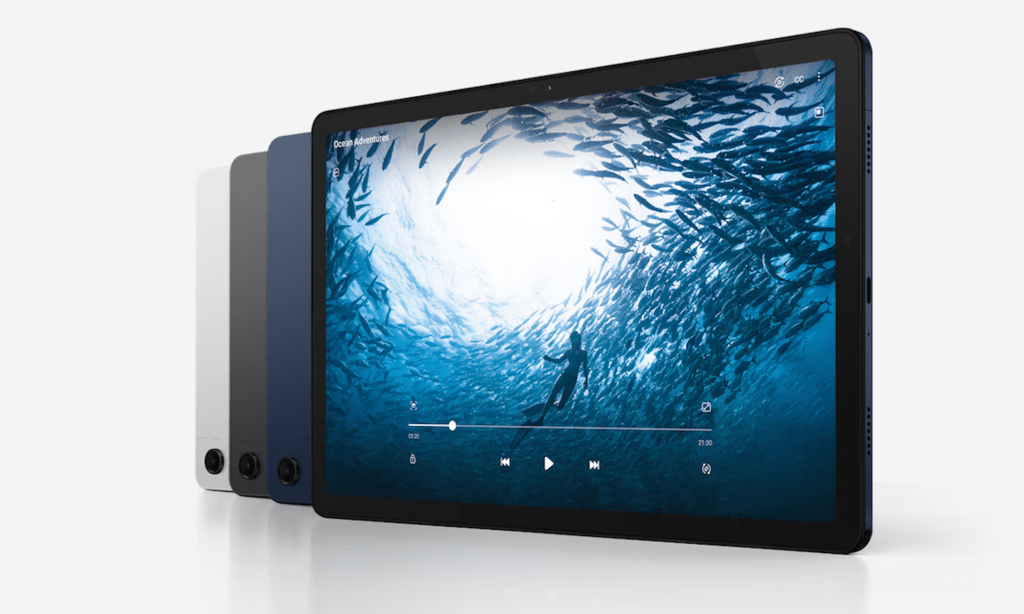
Samsung.com – Official product image of the Galaxy Tab A9

In 2025, the market for budget-friendly tablets is more competitive than ever. Whether you’re a student, a casual content consumer, or simply someone looking for a secondary device, affordable tablets can be a smart tech investment. One of the latest entries in this category is the Samsung Galaxy Tab A9. But does it live up to expectations, or is it just another underpowered device?

Let’s dive into what makes the Galaxy Tab A9 a standout — or not — in its price range.


Overview and Price

The Galaxy Tab A9 is positioned as Samsung’s most affordable tablet in the A-series lineup. With a price tag starting around $149 USD, it’s aimed at budget-conscious buyers who want the Samsung experience without spending a fortune.

Despite its low cost, the A9 offers a surprisingly polished experience for basic use — especially when compared to off-brand tablets that often cut too many corners.


Design and Display

The Tab A9 looks sleek and modern, featuring:

• 8.7-inch LCD display (1340 x 800 pixels)

• Lightweight build (366g), perfect for portability

• Slim bezels and a matte-finish back

The display is adequate for video streaming, reading, and everyday browsing. It’s not AMOLED or high refresh rate — but at this price point, that’s expected.


Performance and Software

The tablet runs on a MediaTek Helio G99 (or Unisoc T610 in some regions), offering enough performance for:

• Video streaming

• Reading and note-taking

• Messaging and video calls

• Light multitasking

With 3GB RAM and 32GB storage (expandable via microSD), it’s not built for heavy gaming or multitasking — but it handles everyday use smoothly thanks to One UI 5 (Android 13).


Battery Life and Charging

• 5,100 mAh battery lasts up to 10 hours on moderate use

• Supports 15W charging — full charge takes ~2.5 hours

That’s enough for a full day of school, travel, or casual use.


Cameras and Audio

• Rear camera: 8MP

• Front camera: 2MP

Good enough for Zoom calls and basic snapshots. The dual stereo speakers provide decent sound, though not very loud or bass-rich.


Who Should Buy It?

The Galaxy Tab A9 is ideal for:

• Students on a tight budget

• Parents buying for kids

• Travelers needing a secondary media device

• Casual users looking for streaming and browsing

It’s not ideal for creators, gamers, or professionals needing high performance.


Conclusion: Is the Galaxy Tab A9 Worth It?

If you’re looking for a solid, affordable tablet under $200 backed by a trusted brand, the Galaxy Tab A9 is a smart pick. It’s not built to impress — it’s built to get the job done. And it does exactly that.

Nintendo Direct March 2025: Game Reveals and the Mystery Behind the Missing Switch 2

 The March 2025 Nintendo Direct was one of the most anticipated events of the year for gamers. With expectations high for new titles and the long-awaited reveal of the Nintendo Switch 2, fans tuned in hoping for major announcements. While Nintendo delivered a packed showcase of exciting games, one thing was notably absent: any mention of new hardware.

Game Announcements: March 2025 Highlights Nintendo delivered a lineup that blended nostalgia with innovation. Key announcements included:

  • Metroid Prime 4: Beyond – New gameplay revealed; launch expected later in 2025.
  • Pokémon Legends: Z-A – Set in Lumiose City, with an open-world design; release expected by year-end.
  • Rhythm Heaven Groove – A new entry in the rhythmic series, set for 2026.
  • Tomodachi Life: Living the Dream – A remake of the beloved life sim, arriving in 2026.

These titles show Nintendo’s commitment to keeping the current Switch generation strong as it nears its lifecycle end.

The Absence of Switch 2: Strategy or Delay? Despite growing speculation, Nintendo made it clear that the March Direct would focus exclusively on existing Switch titles. The Switch 2 reveal is now officially scheduled for a separate presentation on April 2, 2025.

Why the split?

Possible Strategic Reasons:

  • Avoid Cannibalizing Sales: A new hardware announcement could impact sales of the current Switch lineup.
  • Controlled Hype Management: Separating events allows Nintendo to dominate headlines twice.
  • Production Timing: Launching later in the year gives time to stabilize supply chains and prep global distribution.

What This Means for Gamers and the Market From a consumer standpoint, Nintendo is giving fans a reason to stay engaged with the Switch while still teasing what’s next. For some, the new lineup justifies investing in the current hardware. For others, it’s worth waiting.

From a business and tech perspective:

  • Nintendo strengthens its end-of-cycle lineup with major IPs
  • The split strategy maintains momentum and media visibility
  • Analysts project increased attention leading into the April Direct

The March 2025 Nintendo Direct succeeded in delivering high-quality content, setting the stage for a strong final chapter in the Nintendo Switch’s lifecycle. While the Switch 2 remains under wraps for now, Nintendo’s strategic decision to divide its announcements may prove to be a smart move — building sustained hype and keeping both media and gamers fully engaged.

References:

The Future of PlayStation Plus: Tech Trends and Strategic Shifts in 2025

Image: Sony Interactive Entertainment
Source: https://www.playstation.com/en-us/ps-plus/

As the gaming industry evolves, subscription services like PlayStation Plus are no longer just about “free monthly games” — they’re becoming key players in Sony’s broader digital strategy. With rumors, leaks, and user expectations growing for April 2025, it’s time to analyze where PS Plus is heading and what this means from a technology and finance perspective.

📈 What We Know So Far – April 2025 Highlights

  • Leaked and Rumored Titles: Speculations include AAA and indie gems to keep the lineup diverse and engaging.
  • Deluxe & Extra Tiers: Increasing focus on catalog depth over just new releases.
  • Cloud Gaming Momentum: A subtle but steady push toward a future beyond traditional hardware.

💡 Strategic Moves Behind PS Plus Evolution

  • Retention over Acquisition: Sony is shifting focus from just acquiring new users to increasing average playtime per subscriber and long-term engagement.
  • Game-as-a-Service Integration: More GaaS titles are showing up in the monthly lineup — a move aimed at sustained monetization within the platform.
  • Tech Infrastructure: Enhanced download speeds, better cloud integration, and improved backend architecture signal serious investment in scalability and real-time content delivery.

💰 From a Business Angle: Value and ROI

  • Smart Pricing Tiers: Offering entry-level options for casual gamers while upselling Deluxe and Premium tiers for enthusiasts.
  • Monthly Game Curation: Prioritizing cost-effective licensing deals that still deliver strong perceived value.
  • Platform Ecosystem Lock-In: The long-term goal? Keep players immersed within the PlayStation ecosystem — buying DLCs, add-ons, and exclusive content.

📊 Value Comparison – April 2025 Game Lineup Here’s a look at the current confirmed and rumored titles for April 2025 and their estimated retail value:

GameEstimated ValueStatus
Blue Prince$19.99Confirmed
Lost Records: Bloom & Rage – Tape 2$24.99Confirmed
Ghostrunner 2$39.99Rumored
Sifu$29.99Rumored
The Forgotten City$24.99Rumored

Total value from confirmed games alone: $44.98

💡 Even considering only the confirmed titles for April 2025 — Blue Prince and Lost Records: Bloom & Rage – Tape 2 — subscribers are already getting over $44 in value. That clearly surpasses the $14.99 monthly fee of the Extra plan, making the subscription worthwhile even without the rumored additions.

For smart consumers focused on both entertainment and financial value, PS Plus continues to prove itself as a strategic investment in 2025.

The future of PS Plus goes beyond monthly freebies — it’s a tech-powered strategy to redefine engagement, boost profitability, and prepare for a cloud-first gaming economy. For consumers, this means better value and more immersive experiences. For Sony, it’s about building a future-proof revenue engine.

The Best AI-Powered Budgeting Apps for Smart Money Management

Managing your finances efficiently has never been easier with the rise of AI-powered budgeting apps. These intelligent financial tools analyze your spending habits, automate savings, and provide smart recommendations to help you stay on track with your money goals. Here’s a look at the best AI-driven budgeting apps in 2025 that can help you optimize your personal finance strategy.


1. Why Use an AI-Powered Budgeting App?

Traditional budgeting methods require manual tracking, but AI-based apps offer: ✔ Automated Expense Tracking – Categorizes transactions and highlights spending trends.
✔ Smart Savings Recommendations – AI identifies areas where you can save more.
✔ Predictive Insights – Forecasts future expenses and cash flow.
✔ Personalized Budgeting Plans – Tailors budgets based on your financial behavior.
✔ Seamless Bank Integration – Syncs with your bank accounts and credit cards in real time.


2. Best AI-Powered Budgeting Apps in 2025

🔹 1. Mint (Best Free AI Budgeting App)

💰 Price: Free
💡 Why We Recommend It: Mint provides AI-driven budgeting, tracks bills, and offers customized financial insights. Great for beginners.

🔹 2. YNAB (Best for Detailed Budgeting)

💰 Price: $14.99/month
💡 Why We Recommend It: Uses AI to encourage zero-based budgeting, ensuring every dollar has a purpose.

🔹 3. PocketGuard (Best for Preventing Overspending)

💰 Price: Free / Premium $7.99/month
💡 Why We Recommend It: AI analyzes income vs. expenses and shows how much “safe-to-spend” money remains.

🔹 4. Cleo (Best AI Chatbot Budgeting Assistant)

💰 Price: Free / Cleo+ at $5.99/month
💡 Why We Recommend It: Fun AI chatbot that tracks spending, suggests savings goals, and even roasts bad spending habits.

🔹 5. Monarch Money (Best AI-Powered Investment & Budgeting Combo)

💰 Price: $9.99/month
💡 Why We Recommend It: AI-driven budgeting with a focus on investments & net worth tracking.


3. How to Choose the Right AI Budgeting App?

Before picking an app, consider: ✔ Your Financial Goals – Do you want better savings, debt management, or expense tracking?
✔ Subscription Cost – Free apps work well, but premium versions offer advanced features.
✔ AI Features – Some apps focus on automation, while others provide deep financial analysis.
✔ Bank Compatibility – Check if the app syncs with your financial institution.


4. Final Thoughts: Should You Use AI for Budgeting?

AI-powered budgeting apps make money management smarter and easier. Whether you’re looking to track expenses, save more, or invest wisely, these apps help streamline financial decisions.

💡 Want more expert financial tech reviews? Subscribe to our newsletter for updates on the latest smart money tools!

🚀 Smart Money Tech – Helping You Make Smarter Financial Choices!

About Us – Smart Money Tech

Welcome to Smart Money Tech, your ultimate source for technology reviews and product comparisons focused on the best value for consumers. Our mission is to help you make smart purchasing decisions by choosing gadgets, devices, and tech tools that truly deliver, always evaluating innovation, quality, and fair pricing.

Who We Are

Smart Money Tech was created with the goal of connecting consumers with high-value technology products. We believe that technology should be accessible and useful, and that detailed comparisons help avoid impulsive purchases while ensuring the best choice for every need.

What We Do

✔ Technology Reviews – We test and evaluate gadgets, devices, and software to provide reliable information before you buy.
✔ Value-for-Money Comparisons – We identify the best market options by considering performance, durability, and price.
✔ Buying Guides – We create detailed guides to help you choose the best tech products for your needs.
✔ Trends & Releases – We keep you updated on the latest tech innovations that truly make a difference.

Why Trust Us?

✔ Unbiased Reviews – Our team tests products and provides evaluations based on real-world experience.
✔ Consumer-Focused – Our priority is recommending products that deliver real quality, rather than just following marketing trends.
✔ In-Depth Comparisons – We conduct thorough testing to ensure you find the best value-for-money options.

Join Our Community

We believe in the power of information to transform the way people buy technology. Subscribe to our newsletter for trusted recommendations and follow us on social media for tips, trends, and in-depth reviews.

📩 Contact Us: Have questions or suggestions? Reach out to us at contact@smartmoneytech.com.

🚀 Smart Money Tech – Reviews & Comparisons for Smarter Purchases.

Are Expensive Headphones Worth It? Budget vs. Premium Models Compared

Investing in a good pair of headphones can elevate your audio experience, but is it really worth spending hundreds of dollars on premium models? In this guide, we compare budget-friendly vs. high-end headphones, analyzing their features, sound quality, durability, and value for money.


1. What You Pay for in Expensive Headphones

Premium headphones, typically priced above $300, offer: ✔ Superior Sound Quality – High-end audio tuning, deep bass, and immersive soundstage.
✔ Premium Build Materials – Durable metal, leather, and memory foam padding for comfort.
✔ Advanced Noise Cancellation (ANC) – Industry-leading ANC from brands like Bose and Sony.
✔ High-Resolution Audio Support – Compatibility with lossless formats like FLAC and LDAC codecs.
✔ Longer Battery Life & Smart Features – Touch controls, AI-enhanced sound, and adaptive EQ.


2. What Budget Headphones Can Offer

Budget headphones (typically under $100) have improved significantly and now include: ✔ Decent Sound Quality – Balanced audio for casual listening.
✔ Lightweight & Comfortable Design – Plastic construction but still comfortable.
✔ Basic Noise Isolation – Passive noise blocking instead of active cancellation.
✔ Wireless Connectivity – Many budget models now offer Bluetooth 5.0 or higher.
✔ Good Battery Life – Many provide 20+ hours of playback at a lower price.


3. Head-to-Head Comparison: Budget vs. Premium Models

FeatureBudget Headphones (<$100)Premium Headphones (>$300)
Sound QualityGood, but lacks depth & clarityExceptional, audiophile-grade
Noise CancellationBasic passive isolationAdvanced ANC, adaptive modes
Build MaterialsMostly plasticPremium metals & leather
Battery Life20-30 hours30-50 hours with fast charging
FeaturesBasic Bluetooth & controlsSmart features, spatial audio

4. Best Budget & Premium Headphones in 2025

🔹 Best Budget Headphones

1️⃣ Anker Soundcore Life Q30 – Great ANC for under $100.
2️⃣ Sony WH-CH520 – Lightweight and good sound.
3️⃣ JBL Tune 760NC – Solid bass and reliable battery life.

🔹 Best Premium Headphones

1️⃣ Sony WH-1000XM5 – Industry-leading ANC & Hi-Res Audio.
2️⃣ Bose QuietComfort Ultra – Best comfort & premium sound.
3️⃣ Apple AirPods Max – High-end Apple ecosystem integration.


5. Final Verdict: Should You Buy Budget or Premium Headphones?

  • If you listen casually and want affordability, go for budget headphones.
  • If you care about top-tier sound & features, premium headphones are worth the investment.
  • If you’re on the fence, mid-range headphones ($150-$250) offer the best balance.

💡 Want more in-depth product comparisons? Subscribe to our newsletter for tech reviews & buying guides!

🚀 Smart Money Tech – Helping You Make Smarter Tech Purchases!