
iPhone 17: Everything You Need to Know About Apple’s New Flagship

Official Apple press image showing the iPhone 17 Pro in orange finish, highlighting its triple camera design.
Image credit: Apple — Official press image of iPhone 17 Pro.

The Hype Behind the Launch

Every September, Apple sets the stage for the most anticipated tech event of the year: the new iPhone reveal. The iPhone 17 continues that tradition, bringing together cutting-edge hardware, refined design, and an even deeper integration with Apple’s ecosystem. Expectations were sky-high, and Apple’s latest flagship has already sparked debate in both the tech and financial worlds.

But beyond the buzz, what really changed? Let’s break it down.


Design and Display

Apple has refined the design of the iPhone 17, introducing slimmer bezels and a lighter titanium frame that feels premium yet durable. The device is slightly thinner than the iPhone 16, while still maintaining structural rigidity.

  • Display: A new ProMotion XDR display with even higher brightness levels and improved color accuracy.
  • Sizes: Available in the standard 6.1-inch and the larger 6.7-inch “Pro Max” versions.
  • Durability: Enhanced Ceramic Shield 2.0 glass, promising better scratch and drop resistance.

The end result? A phone that looks and feels like the future while staying true to Apple’s minimalist design philosophy.


Camera Upgrades

For many, the camera system is the deciding factor—and the iPhone 17 does not disappoint.

  • Main Camera: A new 48MP wide sensor with larger pixels for improved low-light performance.
  • Telephoto (Pro models): Expanded periscope zoom lens offering up to 6x optical zoom.
  • Video: ProRes video recording now supports 8K at 30fps, making the iPhone a professional filmmaker’s tool.

For content creators, the iPhone 17 pushes the boundary between a smartphone and a professional camera setup.


Performance and Chip

At the heart of the iPhone 17 is the A18 Bionic chip, Apple’s most powerful processor to date.

  • CPU & GPU: Faster by up to 20% compared to the A17, with major improvements in efficiency.
  • AI Processing: Enhanced Neural Engine, designed to optimize on-device AI tasks like photo editing and Siri’s contextual responses.
  • Gaming: Console-level graphics performance thanks to ray tracing improvements.

Early benchmarks suggest that Apple continues to dominate the smartphone performance race.


Battery and Charging

Apple claims the iPhone 17 offers up to 2 extra hours of battery life compared to the iPhone 16.

  • Charging: MagSafe charging speeds have been increased, and USB-C with Thunderbolt support (on Pro models) allows faster data transfers.
  • Battery health: New software tools help users manage charging cycles to extend long-term performance.

Software and iOS Exclusives

The iPhone 17 launches with iOS 19, bringing new features that are exclusive—at least for now—to Apple’s latest hardware.

  • Dynamic Island 2.0: Expanded functionality for multitasking and third-party apps.
  • AI-Powered Features: Smarter photo categorization, on-device transcription, and improved Siri.
  • Security: Upgraded Face ID with better performance in low light and support for horizontal unlocking.

These features ensure that iPhone 17 users get the most seamless and integrated experience possible.


Price and Availability

  • Starting Price: $999 for the base model, $1,199 for the Pro, and $1,399 for the Pro Max.
  • Availability: Pre-orders began immediately after Apple’s keynote, with shipping expected within two weeks.
  • Colors: A refreshed palette, including Midnight Black, Silver, Titanium Blue, and a new “Sunset Gold.”

Apple has kept its premium pricing strategy, but the upgrades aim to justify the cost.


Final Verdict: Is It Worth the Hype?

The iPhone 17 is not a radical reinvention, but rather a polished evolution that strengthens Apple’s dominance in the premium smartphone market. The upgrades to the display, camera, and performance are significant enough to tempt those with older iPhones, though iPhone 16 users may hesitate to upgrade immediately.

For investors, Apple continues to prove its ability to create products that spark mass adoption and consumer loyalty. For consumers, the iPhone 17 represents one of the most refined smartphones ever released.


Next Step: Curious how the iPhone 17 compares to its biggest rivals? Don’t miss our upcoming article: iPhone 17 vs. the Competition – Who Really Wins in 2025?


References

  • Apple Keynote Event, September 2025.
  • MacRumors, iPhone 17 Hands-On Review, 2025.
  • The Verge, First Impressions of the iPhone 17, 2025.
  • CNET, iPhone 17 Camera and Performance Analysis, 2025.

Rate-Cut Optimism Surges as Fed Prepares for September Decision


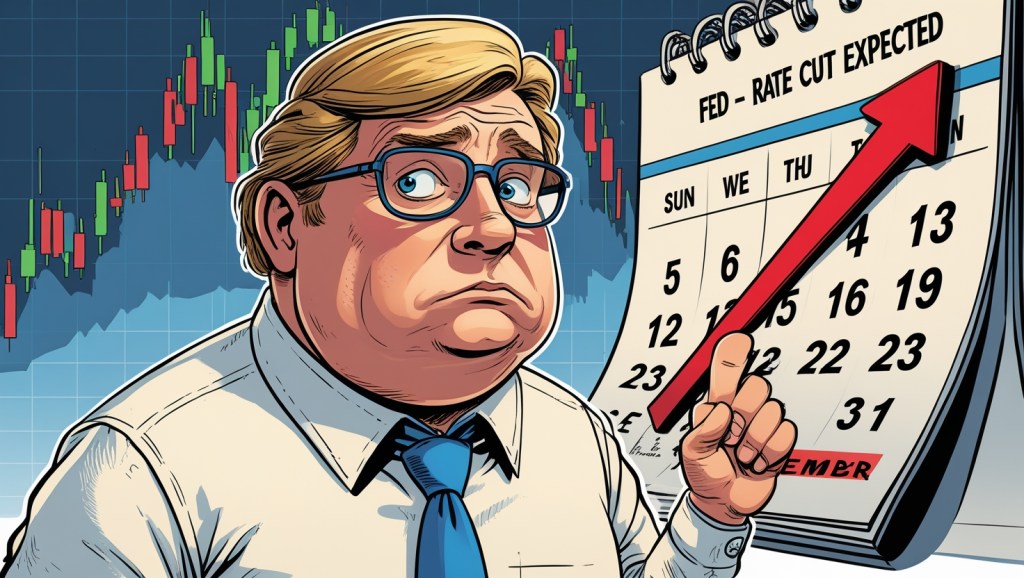
Markets are brimming with expectation: traders now see a 90% chance of a 25-basis-point Federal Reserve rate cut at the upcoming September meeting — and even a 10% possibility of a 50 bps cut. This shift follows a weaker-than-expected U.S. jobs report and growing evidence of a cooling labor market. In this article, we break down what’s happening, why Wall Street is betting on easing, and what it means for consumers and investors alike.


1. Weak Jobs Data Fuels Growing Rate-Cut Expectations

The August payroll report revealed a sluggish addition of just 22,000 new jobs, accompanied by an increase in the unemployment rate to 4.3%, the highest since 2021. This stark slowdown has radically altered market sentiment, leading futures to price in nearly certain rate cuts and even some odds of an accelerated 50 bps reduction.

Major financial institutions such as Barclays, Standard Chartered, and Bank of America have adjusted their forecasts for softer policy, with some now expecting three rate cuts before year’s end.


2. Bond Yields Fall, Stock Futures Rally

In response to heightened easing prospects, U.S. Treasury yields dropped, igniting gains in stock futures. S&P 500, Dow, and Nasdaq futures all ticked upward early Monday, setting the tone for a bullish start.

Equities have kept climbing — even hitting records — as Americans weigh the possible monetary policy shift amid growing economic uncertainty.


3. Fed Officials Signal Cautious Optimism

San Francisco Fed President Mary Daly and New York Fed chief John Williams have both echoed a cautious path forward. While they acknowledge heightened labor risks and tilt toward rate cuts, they remain vigilant on inflation, softened yet persistent in light of tariff-related pressures.

Williams expects inflation, measured by the PCE index, to stay elevated near 3% this year before normalizing toward 2% by 2027, suggesting a gradual easing approach.


4. Broader Market Implications

A shift to easier policy could ease borrowing costs for consumers and businesses, spurring activity across the housing, auto, and tech sectors. It could also stabilize bond markets while reducing pressure on yield-sensitive assets.

However, Fed officials are aware of the lingering inflationary tailwinds — particularly from tariffs — and are signaling that any cuts must be data-approved, not preemptive.


Conclusion

Markets are betting big on rate cuts in September. Weak labor data has shifted the narrative decisively toward easing, buoying stocks and recalibrating expectations across the board. Yet even as speculation runs high, the Fed is poised to tread carefully — balancing support for the economy with the persistent threat of inflation.

References

This article is informed by recent market reports from Reuters, MarketWatch, and UBP (Union Bancaire Privée). Key insights were drawn from investor updates and commentary around the Federal Reserve’s upcoming September policy decision.

OPEC+ Pushes Output Higher: What the October Production Hike Means for the Oil Market


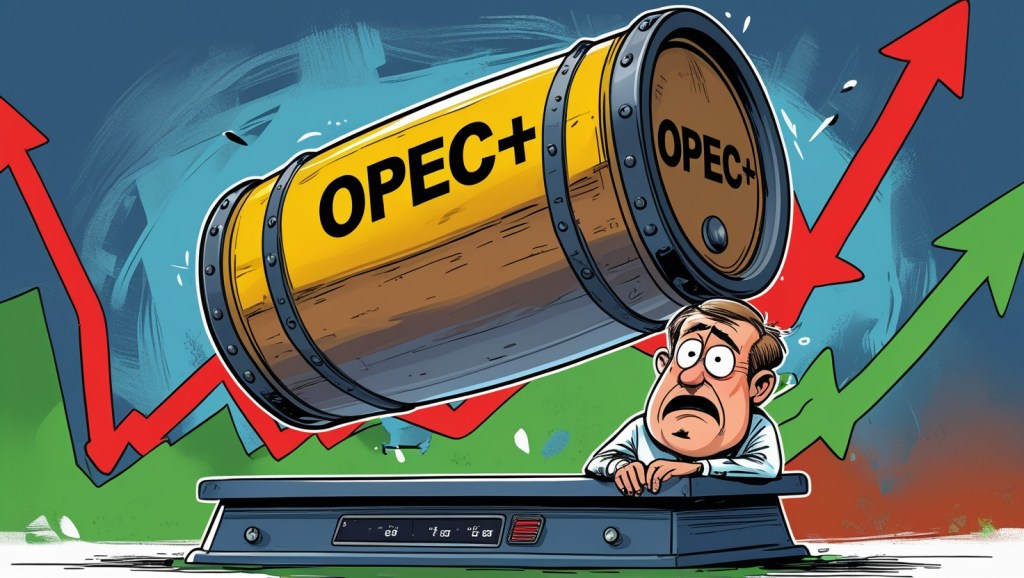
OPEC+ is making headlines again. Starting in October 2025, the oil-producing alliance plans to increase output by 137,000 barrels per day. While the change might seem minor on the surface, it signals a deeper shift in global energy strategy—one that could influence inflation, market volatility, and the broader economic outlook. This article breaks down what this new production strategy means for consumers, investors, and the global recovery.


1. A Small Increase, a Loud Message

The October increase of 137,000 barrels per day marks a sharp slowdown from the production boosts of previous months, which exceeded 500,000 barrels daily. Analysts view this as a signal that OPEC+ is trying to balance market share ambitions with price stability.

Rather than aggressively flooding the market, the group appears to be testing how much oil the global economy can absorb without sending prices spiraling downward. It’s a cautious move, but one with long-term implications.


2. Behind the Strategy: Market Share Over Margins

Since early 2024, OPEC+ has been working to reverse voluntary cuts totaling over 2 million barrels per day. The motive? To reclaim market share from rising U.S. shale producers and other non-OPEC exporters.

While the strategy might help OPEC+ maintain geopolitical influence, it also raises the risk of oversupply. Some forecasts now expect a growing surplus by 2026, which could push oil prices below $60 per barrel—potentially shaking up energy stocks and oil-dependent economies.


3. Oil Prices, Inflation, and the Global Economy

For consumers, a surplus-driven dip in oil prices could offer relief at the gas pump and in logistics costs. But for investors and governments, it’s a double-edged sword.

Cheaper oil often translates to lower inflation, which may influence central bank policies—particularly in the U.S., where the Federal Reserve is closely watching fuel prices as part of its inflation indicators. However, for countries that rely heavily on oil exports, shrinking profit margins could trigger fiscal tightening and social unrest.


4. The Energy Market’s Balancing Act

This production move illustrates the tightrope OPEC+ is walking. The alliance wants to stay relevant and profitable—but not at the cost of destabilizing the market. If output continues to climb without matching demand, a price crash could follow. Conversely, holding back too much production may allow competitors to fill the gap.

It’s not just about barrels. It’s about influence, timing, and who gets to lead the next phase of the global energy transition.


Conclusion

OPEC+’s modest output increase for October 2025 may look like a technical adjustment, but it reflects a deeper strategic play. As the world shifts toward new energy sources and geopolitical priorities, oil producers are redefining their roles. For now, consumers may benefit from slightly cheaper fuel—but investors and governments should prepare for a market that’s anything but predictable.

References

This article is based on reports and insights published in early September 2025 by MarketWatch, Reuters, and Barron’s. Analysts from Goldman Sachs and UBS contributed forecasts about oil supply and demand for 2026, while financial commentary from the Wall Street Journal and the International Energy Agency helped inform the broader market context.

Could the AI Boom End in a Bubble Burst? What the Signs Today Are Telling Us


The artificial intelligence surge of 2025 has captured investor attention, but beneath the hype lies a growing concern: is the AI boom morphing into a dangerous bubble?

With global AI investments already surpassing $560 billion and megacap tech companies like Microsoft, Meta, and Nvidia trading at sky-high valuations, the gap between promise and productivity is becoming increasingly clear. In this article, we break down what leading economists are warning about — and how it could affect the broader economy if this trend unravels.


1. AI Investment Surge Meets Productivity Stagnation

While AI spending is skyrocketing, recent research suggests the return on investment is questionable. A study by MIT revealed that 95% of enterprises adopting generative AI in 2025 have not reported any measurable improvement in profitability.

At the same time, projections estimate that AI infrastructure spending could reach $3 trillion by 2029. That kind of rapid acceleration without real productivity raises obvious red flags — especially when the economic fundamentals are not keeping pace.


2. Expert Warnings: Are Valuations Detaching from Reality?

Some economists are sounding the alarm. Torsten Slok, chief economist at Apollo Global Management, stated that current valuations of AI-related stocks may already exceed the levels seen during the dot-com bubble of the late 1990s.

Even OpenAI CEO Sam Altman recently admitted that investor optimism surrounding AI might be “overexcited,” pointing out eerie similarities with historical tech bubbles.


3. A Pre-Bubble Phase? Overinvestment and Structural Risk

Economic theorist Carlota Perez refers to this period as the “installation phase” — a phase common to every technological revolution, marked by speculative capital, overcapacity, and fragile financial structures. Her view: AI is going through the same cycle electricity, automobiles, and the internet once did.

The danger is that a crash may arrive before real innovation scales to deliver long-term returns. For now, the productivity benefits of AI remain more promise than reality.


4. What Happens If the Bubble Bursts?

If AI speculation collapses, the effects won’t be limited to tech investors. Some economists argue that AI-related investment has acted as an informal stimulus, propping up markets and shielding the U.S. economy from broader weakness.

Should that support disappear, it could trigger a widespread downturn, affecting jobs, household spending, and market stability across sectors.


5. Contrarian Perspective: Is a Bubble Inevitable?

Not all analysts agree that we’re heading for a crash. Firms like UBS point out that today’s AI megacaps are more profitable than dot-com startups ever were, with stronger earnings and more grounded valuations.

Still, even the optimists advise caution — recommending diversified portfolios and long-term thinking rather than blind speculation.


Conclusion: Caution Over Panic

The AI boom is real, but so are the risks of overhype. As with all tech revolutions, early optimism often outpaces the actual economic transformation. While a full-blown bubble isn’t guaranteed, signs of overvaluation and weak returns shouldn’t be ignored.

For now, the smartest approach may be to stay informed, invest selectively, and watch closely as AI continues to reshape the economy — one breakthrough at a time.


👉 Looking to invest in real-world tech that actually delivers?

Check out our curated list of budget-friendly Amazon gadgets that pay off in productivity, comfort, and cost savings — no hype, just results.


References

  • The Atlantic, Just How Bad Would an AI Bubble Be?, 2025.
  • Financial Times, Brace for a Crash Before the Golden Age of AI, 2025.
  • MoneyWeek, Could the AI Megacap Bubble Burst?, 2025.
  • WebProNews, AI Stock Boom Hits Dot-Com Heights, 2025.
  • Yale/MIT Research, AI Deployment and Return on Investment, 2025.
  • UBS, AI Stocks: Bubble or Buy Opportunity?, 2025.

Nestlé CEO Laurent Freixe: What This Leadership Change Means for Global Markets

A New Era at Nestlé

The announcement of Laurent Freixe as the new CEO of Nestlé has immediately captured the attention of both the corporate world and financial markets. With decades of experience inside the company, Freixe represents continuity—but also the possibility of strategic renewal at a time when consumer habits, global supply chains, and sustainability challenges are reshaping the food industry.

Who Is Laurent Freixe?

Freixe is no stranger to Nestlé’s global operations. Having led key markets in Europe and Latin America, he built a reputation for focusing on both growth and social impact. His leadership in emerging economies gave him unique insight into consumer dynamics, health-focused products, and brand positioning in regions where Nestlé has significant opportunities to expand.

Why the CEO Role Matters for Investors

For a company like Nestlé—valued at hundreds of billions of dollars—leadership is not just symbolic. Strategic decisions made by its CEO ripple across:

  • Stock performance: Investors closely watch how leadership changes affect market confidence.
  • Supply chains: Global restructuring decisions can influence costs, pricing, and product availability.
  • Innovation: From plant-based foods to sustainable packaging, Nestlé’s CEO defines where billions in R&D are directed.

In short, a CEO transition can alter how the company is perceived not just by consumers, but also by Wall Street.

Key Challenges Ahead

Freixe inherits both opportunities and risks. Among the most pressing challenges:

  1. Sustainability and ESG pressure – Nestlé faces growing scrutiny over environmental impact, from packaging to carbon emissions.
  2. Changing consumer behavior – Demand is shifting toward healthier, plant-based, and ethically sourced products.
  3. Global supply chain volatility – Inflation, geopolitical tensions, and logistics disruptions continue to challenge multinationals.
  4. Competition from agile players – Smaller, niche brands are gaining consumer trust in health and sustainability.

Freixe’s ability to navigate these issues will determine Nestlé’s resilience in the coming decade.

Market Implications

Nestlé’s leadership shift is more than just an internal corporate story—it’s a signal to investors about the company’s long-term direction. If Freixe balances profitability with sustainability, the company may strengthen its market dominance and appeal to ESG-focused investors.

On the other hand, failure to adapt quickly enough to consumer trends could open the door for competitors in key markets.

Final Thoughts

Nestlé’s appointment of Laurent Freixe comes at a pivotal moment. For investors, the move is worth watching closely—not just for its immediate impact on Nestlé’s stock price, but for what it signals about the future of the global food industry.

Next Step: If you are interested in how leadership changes connect with broader market dynamics, check out our latest article September 2025 Economic Outlook: Business Trends.https://smartmoneytech.blog/2025/09/01/september-2025-economic-outlook-business-trends/

September 2025 Economic Outlook: What to Expect in Global Markets

After a turbulent August marked by trade disputes, oil price shocks, and signals of monetary easing, September arrives with investors and businesses bracing for critical shifts. The coming month could define the direction of global markets for the remainder of 2025. From potential U.S. interest rate cuts to ongoing tariff disputes, September is shaping up to be a decisive moment for finance and business.


Federal Reserve: All Eyes on Rate Cuts

The biggest event investors are watching is whether the Federal Reserve will finally cut rates in September. After months of signaling, policymakers appear ready to shift away from restrictive monetary policy. Analysts expect:

  • An initial cut of 25 basis points.
  • A longer-term trajectory toward a “neutral” rate near 3% by mid-2026.

A rate cut could ease pressure on credit markets and support growth, but it also raises questions: Is the Fed cutting too late, or too soon?


Europe: Monetary Policy and Political Risks

Across the Atlantic, the European Central Bank (ECB) faces its own challenges. President Christine Lagarde recently warned of risks to global stability following U.S. political efforts to interfere with Fed independence. This signals that September may bring heightened geopolitical uncertainty alongside economic adjustments.

Markets will watch whether the ECB maintains its cautious stance or pivots to a more accommodative approach as inflation pressures ease.


Trade Tensions: Uncertainty Persists

The U.S.–India tariff dispute remains unresolved. While businesses hope for compromise, the possibility of further escalation looms. With the case likely heading to the Supreme Court, September may bring new headlines that impact global supply chains and emerging markets.

At the same time, protectionist measures globally are reinforcing fragmentation in world trade. Expect more volatility in sectors tied to international flows, such as technology and manufacturing.


Commodities and Energy Markets

The oil market is set to remain in focus. After August’s surge to nearly $90 a barrel, September could see further upward pressure if:

  • Saudi Arabia and Russia maintain production cuts.
  • Global demand continues to surprise on the upside.

Higher oil prices could complicate the Fed’s easing path, as inflation risks may re-emerge.


Emerging Markets: Asia in the Spotlight

India’s strong IPO pipeline in August suggests momentum for September as well. Investors will monitor whether the enthusiasm continues, particularly if trade tensions remain unresolved.

Meanwhile, Indonesia’s recent protests highlight the fragility of political stability in shaping market sentiment across emerging economies.


Key Takeaways for September

  • The Fed’s decision will likely dominate headlines.
  • Trade disputes and protectionism may deepen uncertainty.
  • Oil prices could fuel inflationary fears, even as central banks turn dovish.
  • Emerging markets may offer growth stories, but risks remain high.

Conclusion

September 2025 is a month of potential turning points. Rate cuts, trade tensions, and energy markets will interact to create a complex environment for investors and policymakers alike. The key strategy for businesses and individuals will be to stay alert, remain diversified, and prepare for volatility.

👉 Next Step: For a full review of what happened last month, read our recap: August 2025 Economic Recap: Key Events That Shaped Global Markets.


References

  • Reuters, Federal Reserve Policy Outlook, 2025.
  • The Guardian, Global Trade Developments, 2025.
  • Economic Times India, IPO Market Tracker, 2025.
  • AP News, Oil Market Update, 2025

August 2025 Economic Recap: Key Events That Shaped Global Markets

August was anything but calm for the global economy. From shifting monetary policy in the United States to trade tensions with India, and from oil price spikes to IPO booms in Asia, the month highlighted both opportunities and vulnerabilities in financial markets. For investors, businesses, and consumers, August delivered critical signals that will set the stage for September.


US Economy: Growth with Warning Signs

The U.S. economy posted a 3% GDP growth in Q2, suggesting resilience despite global uncertainty. But beneath the headline numbers, signs of weakness appeared:

  • The labor market softened, with rising unemployment and slowing job creation.
  • Consumer confidence dipped, raising questions about sustained spending power.

Meanwhile, the Federal Reserve signaled potential rate cuts beginning in September, with projections that interest rates could move toward a “neutral” 3% by early 2026. Markets welcomed the prospect, but the shift reflects recognition of slowing momentum in the economy.


Trade Tensions: The US–India Rift

One of the biggest geopolitical shocks in August came from the escalating U.S.–India trade dispute. Washington imposed tariffs of up to 50% on Indian exports, triggering diplomatic friction and uncertainty for supply chains.

The tariffs have already been challenged in U.S. courts, but with appeals pending, the decision may reach the Supreme Court in the coming months. Investors are now weighing how far the world’s two largest democracies are willing to push their standoff.


Global Market Reactions

Markets responded unevenly to August’s developments:

  • Asia: The Hang Seng Index posted gains, buoyed by tech sector rallies.
  • Europe: Eurozone unemployment fell and industrial production rose, but the UK’s manufacturing sector recorded its 11th consecutive month of contraction.
  • India: The IPO market boomed with 40 new public listings, including Tata Capital, boosting investor optimism despite external trade pressures.
  • Indonesia: Political protests rattled local markets, forcing central bank intervention to stabilize the currency.

Commodities: Oil’s Surge

Oil prices surged to nearly $90 per barrel (Brent) in August. The rally was driven by:

  • Continued production cuts from Saudi Arabia and Russia.
  • Strong demand from recovering economies.This spike added inflationary pressures globally and reinforced investor concerns about energy-driven volatility.

Conclusion: A Month of Contradictions

August highlighted the contradictions of today’s economy: growth alongside rising risks, booming IPOs against geopolitical friction, and monetary easing amid inflationary pressures.

For investors, the key lesson is that global markets are moving in multiple directions at once. Staying diversified, watching geopolitical developments closely, and tracking monetary policy shifts will be critical heading into September.


References

  • Reuters, Federal Reserve Rate Outlook, 2025.
  • Financial Times, U.S.–India Trade Dispute Analysis, 2025.
  • The Guardian, UK Manufacturing Data, 2025.
  • Economic Times India, August IPO Tracker, 2025.

Anduril: The Defense Tech Startup Reshaping the Future of Warfare and Surveillance


What Is Anduril?

Anduril Industries is a private American defense technology company that is shaking up the traditional military-industrial complex. Founded in 2017 by Palmer Luckey (creator of Oculus VR), Anduril blends cutting-edge artificial intelligence, autonomous systems, and data fusion into defense infrastructure. The company’s mission is blunt and ambitious: to “transform US and allied military capabilities with software-first defense products.”

But this isn’t just another Pentagon contractor. Anduril is the prototype of a new kind of defense firm: lean, venture-backed, and born in Silicon Valley’s aggressive innovation culture. It seeks to outpace legacy players like Lockheed Martin and Raytheon not just in speed but in philosophy. Anduril isn’t waiting for defense contracts to innovate—it’s building tools first and selling later.


What Does Anduril Do?

Anduril’s product lineup includes autonomous drones, AI-powered surveillance towers, and its crown jewel: Lattice, an AI software platform that ingests data from all sensors and battlefield systems to provide real-time battlefield awareness. Think of it as the Palantír of military infrastructure, only more autonomous.

Among its notable technologies:

  • Ghost Drone: A stealthy autonomous drone for reconnaissance.
  • Sentry Tower: AI-enabled surveillance towers used along the U.S.-Mexico border.
  • Anvil: A counter-UAS system that detects and destroys enemy drones mid-air.
  • Dive-LD: An autonomous underwater vehicle for naval defense and reconnaissance.

Who Is Behind It?

Palmer Luckey, the eccentric entrepreneur ousted from Facebook after selling Oculus, is the most visible founder. Alongside him are veterans from Palantir, SpaceX, and Google. This team isn’t just technically savvy—they’re politically aware, well-connected, and culturally comfortable navigating both venture capital and national security.

Anduril has received funding from top-tier VCs like Andreessen Horowitz and Founders Fund. By 2023, the company was valued at over $8.5 billion, a stunning figure for a company whose core customer is the U.S. government.


Why Is It Trending Now?

Anduril is riding the convergence of global instability, AI militarization, and tech-world ambition. As the U.S. ramps up defense posturing against China and Russia, Anduril positions itself as the tech-forward solution to modern threats.

In August 2025, it began trending due to:

  • New multi-billion contracts with the U.S. Department of Defense and the UK Ministry of Defence
  • Expanded use of autonomous drone swarms in NATO training exercises
  • Criticism from civil rights groups about surveillance ethics
  • Media attention around its role in developing AI-powered border surveillance tools

What Makes Anduril Different?

Unlike traditional defense contractors, Anduril operates like a Silicon Valley startup:

  • Software-first: They prioritize AI, edge computing, and interoperability
  • Rapid iteration: Products are developed and tested in months, not years
  • Private R&D: They build products before getting government contracts
  • Narrative control: Anduril doesn’t just build tech—it tells a story of “saving democracy through code”

This approach is appealing to a younger, more tech-savvy generation of policymakers and military strategists.


Controversies and Societal Impact

Anduril isn’t without critics. Civil liberties advocates question the ethical implications of:

  • Deploying AI surveillance along borders
  • Using autonomous weapons in live combat zones
  • The privatization of military decision-making via proprietary software

As defense becomes more digitized and opaque, companies like Anduril raise serious questions about transparency, accountability, and the role of Big Tech in warfare.

Moreover, as governments become increasingly reliant on private-sector AI platforms, there’s a risk of vendor lock-in—especially when those platforms make autonomous decisions.


Final Thoughts: The New Military-Startup Complex

Anduril is not just a defense contractor. It’s the face of a new era where warfare, surveillance, and machine intelligence converge. It represents a tech elite that believes not only in moving fast and breaking things, but in winning wars with algorithms.

Whether you view Anduril as a necessary innovation or a cautionary tale depends on your stance on AI in warfare. But one thing is clear: it’s redefining the rules of engagement, both on and off the battlefield.


Conclusion

Anduril is reshaping the future of defense through AI, autonomous systems, and software-driven military infrastructure. As tech continues to infiltrate national security, it’s companies like Anduril that will set the pace—for better or worse.

Call to Action: Curious about the future of AI, defense, and surveillance? Subscribe to our newsletter and check out our latest deep dives on the technologies shaping tomorrow’s battlefield.


References

  • Wired, “The Rise of Anduril and the Tech-Startup Militarization of America,” 2023
  • Forbes, “Palmer Luckey’s Anduril Valued at $8.5 Billion,” 2023
  • Financial Times, “AI Warfare: How Silicon Valley Is Changing the Battlefield,” 2024

🔍 Curious about how Anduril’s military tech is influencing consumer gadgets?

Don’t miss our companion article:

👉 Anduril, AI Weapons, and the Future of Defense Tech: What It Means for Investors and the Tech World

We break down the impact of AI-powered defense systems on the everyday tech you use — including Amazon gadgets designed to protect your home, data, and privacy.


Global Finance Update: From UBS Settlements to EU‑US Trade Fallout


A Week That Exposed Cracks in the Financial System

The first week of August 2025 reminded us that financial powerhouses are not immune to scrutiny, pressure, and fallout. From major legal settlements to trade rifts in Europe, investors had plenty to digest. While megacaps like Microsoft and Meta posted bullish earnings, regulators, banks, and entire regions were grappling with deeper issues.

Here’s what actually mattered last week—and why it affects your money.


UBS to Pay $300 Million Over Mortgage Investments

The U.S. Justice Department announced a $300 million settlement with UBS, stemming from misrepresented residential mortgage-backed securities sold before 2008. Although the misconduct was linked to Credit Suisse (acquired by UBS), the message was clear:

No one escapes legacy risk—not even Swiss giants.

This reminds investors that mergers come with hidden baggage and that past financial sins still cast long shadows.


UK’s FCA Proposes Up to £18 Billion in Auto Loan Redress

In the UK, the Financial Conduct Authority (FCA) proposed a massive redress scheme worth £18 billion for mis-sold auto financing. Tens of thousands of customers may have been charged excessive interest rates based on commission-driven deals.

This could:

  • Hit bank balance sheets
  • Erode trust in financial institutions
  • Spark broader investigations into credit and lending practices

EU‑US Trade Fallout Hits Investor Sentiment

The European Union’s decision to impose sudden tariffs on Swiss imports has triggered a domino effect. Talks between the EU and US on trade harmonization froze, shaking confidence in the region’s economic future.

Swiss stocks and the euro dipped on the news, reminding us that:

  • Geopolitics directly affect markets
  • Regional tensions spill over to global indices
  • Currency instability can shift investor strategy overnight

Futures Rally: Calm Before the Next Storm?

Despite the chaos, U.S. stock futures rallied 1%, fueled by strong earnings from Microsoft and Meta. But the optimism may be temporary.

Investors should be cautious:

  • Tech is masking broader weakness in finance and energy
  • Rate cuts remain uncertain amid sticky inflation
  • Volatility remains high, even if the VIX stays low

Conclusion: Ignore the Headlines, Follow the Undercurrents

While big names grab attention with quarterly wins, the real stories are happening beneath the surface: legacy liabilities, regulatory shifts, and trade conflicts. These are not short-term blips—they’re long-term forces reshaping capital flows and investor psychology.

Read between the reports. Finance is no longer stable—it’s reactive. And your money needs to be too.


References

Reuters, UBS Settles $300M Over Mortgage Bonds, 2025.
Reuters, UK Proposes £18B Auto Loan Compensation, 2025.
The Guardian, EU‑US Trade Conflict Dampens Market Mood, 2025.
Reuters Markets, Futures Rally on Tech Optimism, 2025.

Solana Price Prediction: Can This Crypto Reclaim the Spotlight in 2025?


Why Solana (SOL) Is Trending Again

Solana is back in the headlines. After a rocky 2022–2023 due to network outages and FTX-related drama, the Ethereum rival is regaining attention in crypto circles. Why? A mix of bullish sentiment, improved stability, and whispers of new institutional interest. With search volumes spiking, it’s clear investors are asking: Is it time to bet on Solana again?


The Case for Solana in 2025

Solana was built for speed and scalability, two of the biggest pain points in the crypto space. In 2025, several key upgrades and partnerships are painting a more optimistic picture:

  • Speed & Cost: Solana continues to dominate with high TPS (transactions per second) and low fees, making it ideal for gaming, DeFi, and NFTs.
  • Developer Activity: Projects like Helium, Render, and Hivemapper are migrating to Solana, showing that the ecosystem is alive and growing.
  • Visa Partnership: Visa recently announced testing USDC settlements on Solana, lending major credibility to its payment capabilities.

These developments suggest Solana could rise beyond meme status and reassert itself as a top 5 crypto project.


Price Forecasts & Realistic Expectations

While speculative, some analysts are throwing out big numbers. Here’s a breakdown of current predictions:

Forecast Source2025 Price EstimateOutlook
CoinPriceForecast$110–$130Moderately Bullish
DigitalCoinPrice$95–$115Cautiously Optimistic
WalletInvestor$70–$85Neutral

It’s important to note: crypto is volatile. These estimates can swing wildly depending on macroeconomic factors, regulation, and general sentiment.


Should You Invest in Solana Now?

It depends on your risk tolerance. Solana still faces competition (hello, Ethereum L2s) and lingering trust issues from past disruptions. But the fundamentals are improving:

  • The TVL (total value locked) in Solana-based DeFi is climbing again.
  • Developer engagement is surging.
  • Institutional players are taking notice.

If you’re betting on long-term utility, Solana may be worth a small, diversified allocation.


Final Thought: Comeback or Just Hype?

Solana’s resurgence in 2025 feels different. This isn’t just retail FOMO — it’s tech-driven, developer-led momentum. Still, tread carefully. Crypto isn’t for the faint of heart.

Is Solana the future of blockchain infrastructure? Or just another hype cycle? The next 12 months will decide.


References

CoinPriceForecast, Solana 2025 Predictions, 2025.
DigitalCoinPrice, Solana Market Outlook, 2025.
WalletInvestor, Solana Forecast Model, 2025.
CoinDesk, Visa Starts Settling USDC on Solana, 2025.
Messari Crypto Reports, Developer Activity Rankings, 2025.