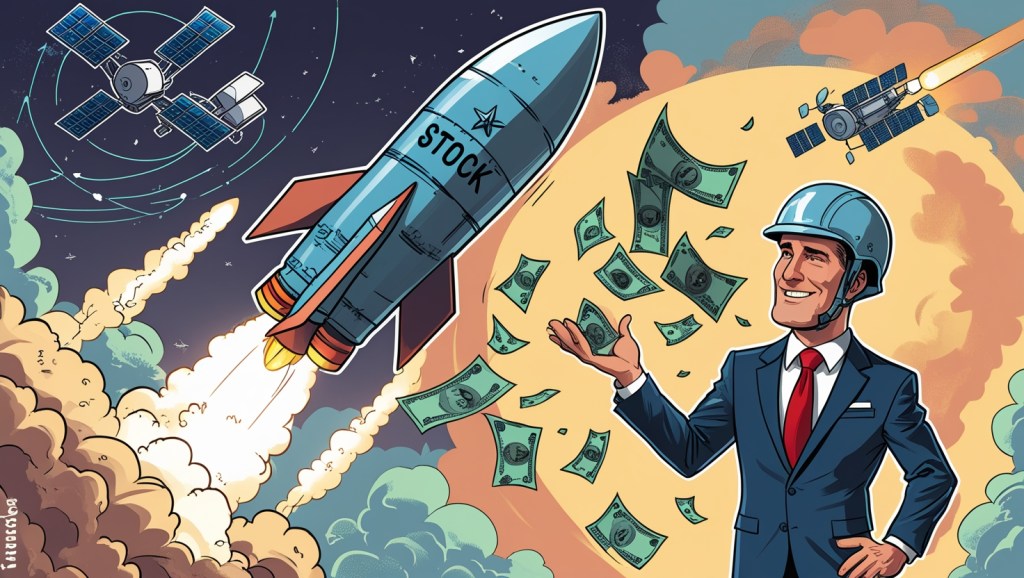

Is the Stock Market Really Bouncing Back—Or Just Rebounding Before the Crash?


The headlines are glowing:
📈 “Markets Recover!”
📈 “Investor Confidence Returns!”
📈 “The Bounce Has Begun!”

But before you celebrate, stop and ask: is this really a recovery—or just another dead cat bounce?

In June 2025, the market is flashing green again. But behind the gains, there are deep structural risks, overvalued tech stocks, and fragile consumer demand.

Let’s break down what’s really happening—and what smart investors should do now.


A Bounce… But From What?

Let’s not forget:

  • Q1 2025 saw significant tech stock corrections
  • Rising interest rates from the Fed continued to pressure growth stocks
  • Consumer confidence was at multi-year lows
  • AI hype began to plateau after unsustainable runs in 2024

So yes—the market appears to be bouncing back.
But it’s bouncing from a fragile, unstable base.


The Fed Pivot Fantasy

Many analysts are speculating that the Fed will pause or even cut rates soon.

That hope alone is helping drive this short-term rally. But here’s the issue:

  • Inflation remains sticky, especially in services and housing
  • Geopolitical tensions are driving energy costs back up
  • The Fed is cornered—cutting now risks another inflation wave

So what we’re seeing may not be a bounce of confidence—it may be a delusion of monetary rescue.


Who’s Buying This Rally?

It’s not the smart money.

Investor TypeAction During Rally
Hedge FundsProfit-taking, reducing tech exposure
Retail TradersBuying FOMO-driven AI stocks again
InstitutionsRebalancing to commodities, defensives

Translation:
While Twitter screams “we’re back,” the professionals are hedging their bets—or leaving the party altogether.


3 Reasons to Be Skeptical

1. Earnings Are Still Weak

Corporate earnings growth has stalled.
Many tech companies are relying on cost cuts and layoffs, not real expansion.

2. Debt Is Surging

Households and companies are overleveraged, and higher interest rates are just starting to bite.

3. AI Euphoria Is Cooling

AI stocks led the 2024 rally—but in 2025, valuations are being questioned.
Many “AI-first” companies have no profits, no moat, and no real user base.


What Smart Investors Should Do

1. Rebalance Toward Value

Energy, industrials, and dividend-paying sectors are outperforming quietly.

2. Hold More Cash Than Usual

Volatility = opportunity. Don’t be fully exposed when the music stops.

3. Don’t Chase AI Narratives Blindly

Only a handful of companies will win long-term.
Don’t buy into every “GPT-powered” startup at a 50x multiple.


Yes, the stock market is bouncing.
But not all bounces are signals of health—some are spasms before collapse.

Smart investors don’t follow the hype. They look at fundamentals, sentiment, and positioning.

So ask yourself: is this the start of a new bull market—or the final gasp before reality sets in?


References

  • Bloomberg, Wall Street Reassesses AI Stocks After Q1 Volatility, 2025
  • Financial Times, Retail Traders Drive Tech Rebound—But Institutions Pull Back, June 2025
  • FedWatch Tool, CME Group, Rate Cut Probabilities, June 2025
  • Reuters, Q1 Earnings Snapshot 2025: Slower Growth Ahead, 2025

Why the Smart Money Is Leaving Big Tech Stocks (and Where It’s Going Instead)


For years, Big Tech stocks were seen as unbeatable investments—dominant companies, fat profit margins, seemingly endless growth.

But now? The tide is turning.

Institutional investors and hedge funds—the so-called “smart money”—are quietly reducing exposure to tech giants like Apple, Microsoft, Google, and Meta.

And if you’re still heavily weighted in Big Tech, it’s time to ask: what do they know that you don’t?


The Tech Bubble 2.0? Signs of Overvaluation

Let’s be clear: Big Tech stocks have delivered phenomenal returns over the past decade.

But that past performance has led to:

  • Stretched valuations
  • Over-concentration in passive index funds
  • Growing regulatory risks
  • AI hype-driven volatility

Example: Many Big Tech stocks are trading at 30x-50x earnings—pricing in years of future growth that may never materialize.

Meanwhile, global economic conditions are deteriorating—and higher interest rates make speculative growth stocks less attractive.


Institutional Investors Quietly Selling

The “smart money” is already reacting:

  • Goldman Sachs reports that hedge fund exposure to Big Tech has dropped by 12% in Q2 2025.
  • Sovereign wealth funds in Europe and Asia are rotating out of US tech stocks into energy, commodities, and emerging markets.
  • Insider selling among Big Tech executives has surged in 2025, a classic warning signal.

Public headlines still cheerlead the AI revolution.
But behind the scenes, the pros are reducing risk exposure to an overheated sector.


What Retail Investors Should Watch For

If you’re a retail investor, pay attention to these warning signs:

IndicatorRed Flag
Insider sellingRising sharply
Hedge fund positioningNet tech exposure declining
Retail inflowsStill high (classic late-cycle behavior)
Regulatory actionMultiple new cases targeting Big Tech
Earnings surprisesNegative revisions increasing

Translation:
Retail investors are still buying FOMO-driven hype—while smart money is already exiting.


Alternative Sectors Attracting Capital

Where is the smart money going instead?

1. Energy and Commodities

  • Beneficiaries of inflationary trends
  • Underowned relative to tech
  • Strong earnings and cash flows

2. Emerging Markets

  • Valuations far more reasonable
  • Long-term demographic tailwinds
  • Less exposed to US regulatory risk

3. Industrials and Infrastructure

  • Benefiting from AI-driven capex cycles
  • Governments investing heavily in infrastructure upgrades

4. Select Financials

  • More attractive in higher-rate environments
  • Benefiting from global capital flows shifting out of tech

Conclusion: How to Position Your Portfolio

It’s not about abandoning tech entirely. These companies remain structurally important.

But recognize the shift:

  • Smart money is reducing overweight positions.
  • Big Tech valuations leave little margin for error.
  • The “next big thing” isn’t always the last big winner.

Diversify. Stay nimble. Pay attention to what the pros are doing—not just what the headlines say.

Because when the exits get crowded, it’s already too late to react.


References

  • Goldman Sachs Prime Brokerage, Hedge Fund Trends Q2 2025
  • Bloomberg, Big Tech Insider Selling Data 2025
  • MSCI, Global Sector Flows Report, May 2025
  • Financial Times, Rotation Out of US Mega Caps Accelerates, June 2025

The Financial Data You’re Giving Away (and How It’s Fueling Tech Giants’ Profits)


Every time you tap your phone, swipe your card, or shop online, you’re doing more than spending money.

You’re giving away valuable financial data—and Big Tech is cashing in on it.

Most consumers have no idea just how much of their purchasing behavior, transaction history, and spending habitsare being tracked, analyzed, and monetized by tech giants.

It’s time to expose the hidden economy behind your financial data—and how you can protect yourself.


How Your Data Turns Into Dollars

You might think your bank keeps your financial data private. Think again.

Tech platforms have built an entire ecosystem of data extraction, fueled by:

  • Mobile payment apps
  • E-commerce platforms
  • Loyalty programs
  • Subscription services
  • Financial tracking apps
  • “Free” personal finance tools

These services collect detailed, granular data about how, where, and when you spend money—and they sell or leverage that data to maximize profits.


The Hidden Value of Payment Data

Why is this data so valuable? Because it provides:

  • Real-time insights into consumer trends
  • Highly accurate profiles of individual spending behavior
  • Predictive power for marketing and pricing
  • Signals for creditworthiness and financial risk

Example: If a platform knows you spend heavily on luxury items but cut back last month, it can target you with “exclusive offers” right when you’re most likely to convert.

It’s not about helping you—it’s about helping companies extract more money from your wallet.


Apps and Devices Harvesting Financial Info

Here are some of the biggest data collectors:

Service TypeCommon Data Collected
Mobile payment apps (Apple Pay, Google Pay)Purchase history, merchant data, location
E-commerce platforms (Amazon, eBay)Browsing, purchasing, returns, wishlists
Loyalty programs (Starbucks, supermarkets)Transaction frequency, spend patterns
Personal finance apps (Mint, Rocket Money)Full transaction history, account balances
Subscription services (Netflix, Spotify)Payment methods, renewal patterns

Even your smartphone itself is a data collection device—many apps track purchase-related data even if they aren’t financial apps.


How to Protect Your Privacy and Wallet

You can’t avoid sharing some financial data. But you can take steps to limit unnecessary exposure:

1. Use Privacy-Focused Payment Methods

  • Prefer cash or privacy-first cards when possible.
  • Use payment apps that minimize data sharing.

2. Audit Your App Permissions

  • Review which apps have access to financial data.
  • Remove apps you no longer use.
  • Avoid “free” financial apps with vague privacy policies.

3. Opt Out of Data Sharing

  • Many loyalty programs and apps allow you to opt out of certain data sharing.
  • Check your account settings.

4. Read the Fine Print

  • Understand what data a service collects and how it’s used.
  • Be especially cautious with any app requesting bank account access.

Final Words

Your financial data is one of the most valuable assets you own.

Big Tech knows this—and they’ve built sophisticated systems to capture and monetize it, often without your full awareness.

While complete privacy may be impossible in today’s digital economy, awareness and proactive choices can help you regain some control.

Remember: if a service is free, the real product is usually you—and your data.


References

  • Financial Times, The Hidden Economy of Consumer Financial Data, 2024
  • FTC, Report on Data Brokers and Consumer Privacy, 2025
  • Wired, How Mobile Payment Apps Harvest Your Spending Habits, 2025
  • OECD, Financial Data and Consumer Protection, 2025

Central Banks Can’t Fix This: Why Global Inflation Is Becoming a Tech Problem


Global inflation is no longer just about interest rates and monetary policy.
A new force is reshaping the cost of living around the world—and central banks can’t control it.

The problem? Technology itself.

From AI-driven price manipulation to hyper-optimized supply chains and platform monopolies, today’s inflation is increasingly a product of the tech economy.

And while central bankers keep raising rates, they’re fighting a battle they may already have lost.


The New Inflation Drivers: Beyond Interest Rates

For decades, controlling inflation meant one thing: adjusting interest rates.
Raise rates, slow borrowing, cool demand—simple.

But today’s inflation is driven by far more complex forces:

  • AI and algorithmic pricing
  • Global e-commerce dynamics
  • Platform monopolies
  • Logistics tech disruptions
  • Supply chain automation

These forces are largely immune to central bank actions. Worse—they may even be amplified by current monetary policy.


AI-Powered Price Manipulation

Dynamic pricing used to be limited to airlines and hotels.
Now, AI-driven pricing engines are everywhere—from Amazon to grocery delivery apps.

These systems:

  • Constantly scan competitors’ prices
  • Monitor consumer behavior in real time
  • Adjust prices dozens (or hundreds) of times per day

Result: Subtle but relentless upward price pressure—especially on goods where consumers have little choice or price transparency.

And central banks? They can’t stop algorithmic pricing with interest rates.


Supply Chains, Automation, and Global Costs

The tech revolution in supply chains promised efficiency and lower prices.

But COVID-19 and geopolitical tensions revealed a darker reality:
Hyper-optimized supply chains are fragile—and expensive to fix.

Now:

  • Companies are reshoring or diversifying suppliers (higher costs)
  • Just-in-time inventory models are breaking down (more expensive storage)
  • Supply chain tech investments are passing costs to consumers

AI is also playing a role here—optimizing for corporate margins, not consumer prices.


E-Commerce and the Hidden Costs of “Free” Shipping

Online shopping feels cheap and convenient. But the real economics tell a different story:

Cost FactorImpact on Prices
Warehousing automationHigh upfront costs passed on to prices
Last-mile delivery techSignificant logistics costs
Packaging and returnsGrowing expenses, especially for free returns
Marketing and platform feesHigher costs for sellers, reflected in prices

“Free shipping” is never free.
Tech platforms bake these costs into product prices—and AI helps them optimize just how much they can charge without losing customers.


What Consumers Can Do in a Tech-Driven Inflation Era

Central banks can’t save us from this kind of inflation.
But as consumers, we can adapt. Here’s how:

1. Develop Price Awareness

  • Use tools like CamelCamelCamel for price history
  • Track prices across multiple platforms
  • Recognize algorithmic price patterns (they often spike before weekends or holidays)

2. Value Real World Experiences Over Digital Consumption

  • Many tech-driven inflation forces hit digital convenience purchases the hardest.
  • Shift some spending to local businesses and physical experiences.

3. Support Transparent Platforms

Favor businesses and platforms that practice transparent, fair pricing over those that rely on opaque dynamic pricing.

4. Advocate for Regulation

Push for:

  • Transparency in algorithmic pricing
  • Limits on exploitative AI-driven practices
  • Consumer rights in platform-dominated markets

Conclusion

Global inflation is no longer just a question of monetary policy.

It’s being reshaped by the very technologies we use every day—AI, e-commerce platforms, automated supply chains.

Central banks can’t fix this.
It’s up to policymakers, technologists, and consumers to demand a new framework—one that protects affordability in an increasingly automated, optimized world.

Until then, staying informed—and skeptical—may be our best defense.


References

  • BIS (Bank for International Settlements), AI and Pricing Power, 2024
  • McKinsey & Company, Supply Chain Technology Report, 2024
  • OECD, E-Commerce and Inflation Trends, 2025
  • Bloomberg, Algorithmic Pricing and Consumer Impact, 2025

Why Big Tech’s Obsession With Subscription Models Is Draining Your Wallet


Remember when buying software or entertainment meant a one-time purchase? Those days are gone.

Today, from cloud storage to productivity apps to streaming services, everything is becoming a subscription. And it’s no accident—Big Tech is addicted to this model because it makes you pay more while thinking you’re paying less.

Let’s pull back the curtain on why this model is draining your wallet—and how you can fight back.

The Subscription Trap: How It Works

On paper, subscriptions seem harmless:
“Only $9.99 a month!”

But multiply that across:

  • Streaming platforms (Netflix, Disney+, Spotify)
  • Cloud storage (Google One, iCloud, Dropbox)
  • Productivity apps (Adobe Creative Cloud, Microsoft 365)
  • Fitness and wellness apps
  • News and magazine subscriptions
  • Premium social media features

Suddenly, you’re spending hundreds or even thousands of dollars per year on services you barely use.

The sneaky math

Companies know that low monthly prices encourage sign-ups—but over time, these add up to far more than a one-time purchase would have.

Example:

  • Adobe Photoshop used to cost ~$700. Now? $20.99/month = $251.88/year = $1,259 after 5 years.
  • Microsoft Office: ~$150 one-time vs. ~$70/year for Microsoft 365.

Conclusion: Subscriptions are designed to maximize lifetime customer value, not to save you money.


The Psychology Behind “Only $9.99/month”

Big Tech companies use behavioral psychology to make subscriptions irresistible—and sticky:

  • Low friction onboarding: One-click sign-ups with free trials.
  • Price anchoring: $9.99 feels cheap, but $9.99 x 12 is not.
  • Loss aversion: Fear of losing access makes you hesitant to cancel.
  • Auto-renewals: Default settings ensure you stay subscribed, often without noticing.

Result: You end up with a digital drawer full of forgotten subscriptions—and they keep draining your bank account.


Tech Giants Getting Rich Off Your Forgetfulness

Make no mistake—subscription models are a goldmine for Big Tech:

CompanyKey Subscription Revenue2024 Estimated Earnings from Subscriptions
AppleiCloud, Apple One, Apple Music$100B+ (services segment)
MicrosoftMicrosoft 365, Xbox Game Pass$80B+
Google (Alphabet)Google One, YouTube Premium$40B+
Meta (Facebook)Meta Verified, WhatsApp Business PremiumGrowing rapidly
AmazonAmazon Prime$50B+

Recurring revenue = Wall Street love.

Investors prize companies with predictable, growing subscription revenue streams—even if those streams come at the expense of consumers.


Smart Ways to Manage and Cancel Subscriptions

You can fight back. Here’s how:

1. Conduct a Subscription Audit

Go through your:

  • Bank statements
  • Credit card bills
  • App store subscriptions

List every recurring charge—you’ll be shocked.

2. Use a Subscription Tracker App

Apps like Rocket Money, Trim, Bobby help you identify and cancel unwanted subscriptions easily.

3. Adopt a “Default to Cancel” Mentality

Before starting any new subscription:

  • Ask: Do I truly need this? Will I use it regularly?
  • Set a reminder to review/cancel before the trial ends.

4. Prioritize One-Time Purchases When Possible

If you can buy a product or license outright instead of subscribing—do it.

Example: Pay once for a video editing tool instead of monthly fees.

5. Bundle Strategically

If you do subscribe, bundle wisely to minimize costs (e.g., Apple One vs. separate Apple subscriptions).


Conclusion: Take Back Control

Big Tech didn’t choose subscriptions because they’re good for you. They chose them because they’re incredibly profitable—and highly addictive.

But you don’t have to play their game blindly.

Audit your spending. Cancel ruthlessly. Choose one-time purchases when possible.

Take back control of your wallet—and starve the subscription machine.

References:

  • Company annual reports (Apple, Microsoft, Alphabet, Amazon)Rocket Money Consumer Reports, 2024Adobe Pricing Archive

The Dark Side of AI: How Automation Is Killing Jobs (and What You Can Do About It)


The promises were grand: AI would free us from menial tasks, boost productivity, and create a new era of innovation. But beneath the sleek marketing and optimistic headlines, a darker truth is emerging—automation is killing jobs at an alarming rate.

While Big Tech reaps the rewards, millions of workers around the world are being left behind. And make no mistake: this is just the beginning.

The False Promise of Productivity

For years, we’ve been sold the idea that AI and automation would “augment” human labor, not replace it. In reality, the opposite is happening.

Corporations are deploying AI-driven systems not to make workers more productive, but to reduce headcount and cut costs.

  • Call centers are replacing human agents with chatbots.
  • Retailers are automating checkouts and inventory management.
  • Logistics companies are rolling out robotic warehouses.
  • Content platforms are using AI to generate articles, videos, and marketing materials—often replacing human creatives.

The result? A relentless wave of job losses, particularly in sectors with routine, repeatable tasks.

Industries at Risk: Who’s Losing Jobs First

Certain industries are already feeling the sharpest impacts of AI-driven automation:

IndustryAutomation ImpactJobs at Risk
Customer ServiceVery HighMillions globally
Retail & E-commerceHighCashiers, stock clerks
Media & ContentHighWriters, video editors
TransportationGrowing rapidlyDrivers, delivery workers
ManufacturingExtremely HighAssembly line workers

The takeaway: No job is truly safe anymore—not even creative or knowledge-based roles once thought immune to automation.

Big Tech’s Silent War Against Human Labor

Why is this happening so fast? Simple: profits.

AI tools are cheap to deploy and scale. They don’t take sick days. They don’t unionize. They don’t ask for raises.

Big Tech and major corporations see an opportunity to slash labor costs and maximize shareholder returns—and they’re taking it, with little regard for the social consequences.

Governments, meanwhile, are struggling to keep up. Policy frameworks are outdated, and protections for displaced workers are inadequate. The tech lobby, flush with cash, is ensuring that regulation moves slowly—if at all.

How to Future-Proof Your Career in an AI World

So, what can you do? You can’t stop AI—but you can adapt.

Here are practical steps to future-proof your career:

1. Focus on Uniquely Human Skills

AI excels at pattern recognition and automation. It struggles with:

  • Emotional intelligence
  • Complex problem-solving
  • Strategic thinking
  • Creativity grounded in human experience

Invest in these areas.

2. Embrace Lifelong Learning

Standing still is a recipe for obsolescence. Regularly update your skills—especially in areas where AI is weak.

  • Take online courses
  • Attend workshops
  • Read broadly outside your field

3. Leverage AI as a Tool, Not a Threat

Understand how AI works in your industry—and learn to use it to your advantage. Those who can collaborate with AI tools will remain more competitive than those who resist them.

4. Build a Personal Brand and Network

Your reputation, relationships, and ability to connect with others can’t be easily automated. Cultivate them.


We are at a pivotal moment. AI is transforming the global economy faster than most people realize.

While the elites of Silicon Valley celebrate, countless workers face uncertainty, displacement, and declining job security.

The narrative that “AI will create more jobs than it destroys” is increasingly suspect. The real picture is far messier—and more urgent.

It’s time to stop blindly celebrating technological progress and start asking harder questions: Who benefits? Who pays the price? And how do we ensure a future where people—not just machines—can thrive?

Social Security in 2025: What’s Changing and How to Financially Prepare


In June 2025, “Social Security Administration” spiked on search engines across the U.S. With economic uncertainty looming and policy debates heating up, millions are asking: Will Social Security still be there when I need it? And what changes are coming this year?

Whether you’re approaching retirement or just trying to build financial security, this article covers the key updates and smart steps you can take now.


Why Social Security Is Trending in 2025

Several factors explain the spike in search interest:

  1. Concerns About Long-Term Solvency
    The Social Security trust fund is projected to run low by the early 2030s. Lawmakers are debating solutions, but uncertainty remains.
  2. Policy Changes in 2025
    New discussions around benefit recalculationsretirement age increases, and tax thresholds have caused concern for future recipients.
  3. Inflation and Cost of Living Adjustments (COLA)
    The 2025 COLA is expected to be lower than 2023–2024’s adjustments, sparking worry over shrinking purchasing power.
  4. Digital Services Overhaul
    The SSA recently updated its online portal, which is generating more interest—and some confusion—around how to access or update benefits.

Key Social Security Updates This Year

CategoryChange in 2025
Full Retirement Age (FRA)Gradually increasing for those born after 1960
COLA AdjustmentEstimated 2.6% increase (down from 3.2% in 2024)
Max Taxable EarningsRaised to $174,000
Earnings Limit for Early RetireesIncreased to $22,320

For the latest updates, check the official portal: ssa.gov


Should You Rely on Social Security?

The honest answer: it shouldn’t be your only plan.

While Social Security is still paying benefits, rising longevity and fiscal pressure make it a fragile long-term solution. Younger generations should plan to supplement or replace it with other income sources.


How to Prepare Financially in 2025

1. Automate Your Retirement Contributions

Use platforms like BettermentFidelity, or SoFi to invest consistently through IRAs or Roth IRAs.

2. Diversify Your Income Streams

Consider side hustles, digital products, or freelance work to build flexibility and buffer against benefit uncertainty.

3. Track Your SSA Statement Annually

You can log in at ssa.gov/myaccount to monitor your earnings history and benefit estimates.

4. Use Tech to Simulate Retirement Scenarios

Apps like NewRetirementSmartAsset, or Empower let you run retirement simulations based on inflation, taxes, and Social Security assumptions.


Social Security isn’t going away tomorrow, but relying solely on it is no longer a safe plan—especially for millennials and Gen Z. The good news? You have more tools than ever to take control.

Start building resilience now by combining financial education, smart tools, and diversified planning.

Jamie Dimon Is Trending Again: What JPMorgan’s CEO Signals About the Economy in 2025


Jamie Dimon, the longtime CEO of JPMorgan Chase, is once again making headlines. As one of the most respected voices on Wall Street, his interviews, forecasts, and warnings often move markets—and right now, people are paying attention.

With search interest surging in June 2025, it’s worth asking: what did Jamie Dimon say this time, and why should investors care?

Let’s break down the buzz, the message behind it, and what it means for the future of finance.


Who Is Jamie Dimon?

Jamie Dimon has been the CEO of JPMorgan Chase since 2005. Known for his direct style and sharp economic insights, he’s often seen as a stabilizing force in the financial world. In fact, during past crises—from 2008 to the pandemic—Dimon’s leadership helped define how banks responded.


Why Is He Trending Right Now?

In early June 2025, Jamie Dimon made several public statements that sparked wide debate. Key points include:

  1. Warning About Potential Economic Shocks
    Dimon raised concerns about persistent inflation, rising interest rates, and geopolitical instability, warning that “markets may be underestimating systemic risks.”
  2. Cautious Optimism on AI and Banking
    While acknowledging AI’s potential, he emphasized the need for regulation and warned that tech overreach could create “pockets of fragility.”
  3. Commentary on U.S. Fiscal Policy
    He called current U.S. debt levels “unsustainable” and questioned political willingness to act before a crisis hits.
  4. Hints About Stepping Down
    Rumors swirled after Dimon suggested he might not stay in the CEO role much longer, adding uncertainty to JPMorgan’s future.

What Investors Should Pay Attention To

Jamie Dimon’s comments matter because:

  • He’s seen as a bellwether for global financial health
  • His insights are often ahead of market consensus
  • JPMorgan’s performance reflects broader banking and economic trends

If Dimon is cautious, smart investors take note.


How This Affects You (Even if You’re Not a JPM Stockholder)

Whether you invest in JPMorgan or not, Jamie Dimon’s views signal shifts that could affect:

  • Interest rates and loan availability
  • Consumer confidence and market volatility
  • Tech regulation and AI integration in finance
  • Investor sentiment toward banks and big finance

In short, what Dimon says often becomes a reality six months later.


Jamie Dimon isn’t just a bank CEO—he’s a financial bellwether. His warnings about inflation, AI, and political instability echo what many investors fear but few are brave enough to say out loud.

If his predictions hold, 2025 could be a year of economic surprises and market adjustments. Now’s the time to stay diversified, protect liquidity, and listen closely to leaders who’ve weathered crises before.

APLD Stock Spikes: Why Applied Digital Is Suddenly on Every Investor’s Radar


On June 3rd, APLD — the stock ticker for Applied Digital Corporation — experienced a major surge in both search interest and trading volume. With a 100% increase in online traffic, investors are scrambling to understand what’s behind the sudden attention.

Is this another AI-fueled bubble, or is Applied Digital a real player in the tech infrastructure space?

Let’s dive into why APLD is trending and what it means for smart money investors in 2025.


What Is Applied Digital?

Applied Digital is a data center and digital infrastructure company based in the U.S. It builds and operates high-performance computing (HPC) data centers, tailored for artificial intelligence workloads, cloud services, and blockchain processing.

Their core focus:

  • AI infrastructure for hyperscale clients
  • Partnerships with cloud AI platforms like CoreWeave
  • Energy-efficient operations with focus on rural regions

Why APLD Stock Is Trending Now

Here are the key reasons for the sudden spike:

  1. Partnership Buzz with CoreWeave
    Reports suggest new or expanded collaboration with CoreWeave — one of the fastest-growing AI cloud providers — which may drive massive demand for Applied Digital’s data centers.
  2. AI Infrastructure Is the New Gold Rush
    As AI applications explode, the companies that build and power the infrastructure behind the scenes (like APLD) are in high demand.
  3. Market Rotation Into ‘Picks and Shovels’ Stocks
    With investors looking beyond obvious AI players (like Nvidia), APLD fits the mold of a “behind-the-scenes winner.”
  4. Speculative Interest From Retail Traders
    The surge in online search traffic suggests attention from retail investors using platforms like Reddit, Stocktwits, and FinTwit.

Quick Snapshot: Applied Digital (APLD)

MetricValue (approx.)
Stock TickerAPLD
Market Cap~$800 million (as of June 2025)
SectorAI Infrastructure / Data Centers
Revenue GrowthRapid (YoY accelerating)
ProfitabilityNot yet profitable
Risk LevelHigh (volatile stock)

Should You Invest in APLD?

Pros

  • Exposure to booming AI infrastructure market
  • Early-mover advantage with key AI partnerships
  • Focus on cost-effective, energy-optimized data centers

Cons

  • Not profitable yet (early stage)
  • High volatility and speculative risk
  • Dependent on major client contracts for revenue flow

Smart Money Verdict

APLD is not a blue-chip tech stock — but it’s exactly the type of high-risk, high-reward play that gains traction in AI-fueled markets. For investors looking to diversify their exposure beyond Nvidia and Microsoft, Applied Digital offers an interesting infrastructure angle.

That said, tread carefully: this is a speculative growth stock, best suited for small allocations within a diversified portfolio.


APLD’s sudden popularity highlights a key trend in 2025: infrastructure matters. As AI becomes more powerful, the companies enabling its operation — like Applied Digital — are stepping out of the shadows and into investor focus.

Keep an eye on partnerships, earnings, and industry demand before jumping in.

CRM Stock Surges: What Salesforce’s Earnings Reveal About the Tech Sector in 2025

Salesforce (NYSE: CRM) is once again in the spotlight, this time following a 400% spike in search volume and a notable after-hours rally driven by its latest earnings report. Beyond the headlines, however, lies a deeper question: what does this performance indicate about the broader technology sector in 2025? And is now the right time to invest in CRM?

This article breaks down the underlying data and explores the implications for investors navigating today’s rapidly evolving tech landscape.


Why CRM Stock Is Trending

Salesforce’s latest earnings report exceeded expectations, highlighting:

  • Strong revenue and profit growth
  • Robust performance in AI-powered cloud services
  • Positive forward guidance for the upcoming quarter

This surge in interest reflects increasing investor confidence in enterprise solutions enhanced by artificial intelligence. Salesforce is positioning itself as a market leader in this space.


What This Means for Tech Investors

AI is generating real revenue
Salesforce’s strategic integration of AI throughout its ecosystem is translating into measurable results, setting a new benchmark for enterprise software platforms.

Enterprise software demand remains strong
While segments of the consumer tech market show volatility, B2B SaaS and cloud infrastructure continue to grow steadily—offering more reliable investment opportunities.

Market sentiment is returning to fundamentals
Salesforce’s solid performance is a reminder that profitability, innovation, and scalability remain central to long-term investor confidence, even in a trend-driven tech economy.


Should You Invest in CRM?

Advantages

  • Strong fundamentals and steady growth
  • Integrated AI solutions that enhance product value
  • Long-term demand in the enterprise sector

Risks

  • Valuation may be stretched following the rally
  • Ongoing competition from Microsoft, Oracle, and other cloud leaders

Salesforce is best viewed as a mature growth stock—not a speculative play. It appeals to investors seeking stability and exposure to enterprise-level AI innovation.


Final Thoughts

The recent performance of CRM stock suggests more than just a short-term earnings-driven reaction. It signals a broader market shift toward technology firms that can deliver scalable, AI-integrated solutions with real impact. In 2025, companies that combine innovation with financial resilience will likely define the next era of tech investing.