
Nintendo Switch 2 Black Friday Surge: What the Hype Says About the Future of Gaming


A Black Friday Surge That Nintendo Didn’t Even Need to Advertise

The Nintendo Switch 2 became one of the most searched terms in the U.S. this Black Friday — and the console isn’t even officially launched yet.

That should tell you something.

Gamers, investors, and tech enthusiasts are treating the Switch 2 like the second coming of the Wii era: a moment when Nintendo once again bends the gaming market to its own identity instead of following the industry’s obsession with power and specs.

But behind the hype, the Switch 2 surge reveals something deeper about the state of the gaming industry — and what Black Friday spending tells us about the direction of consumer technology.


What We Know So Far About the Nintendo Switch 2

Official details remain scarce, but industry leaks paint a consistent picture:

  • Bigger performance jump (closer to PS4/PS4 Pro range)
  • DLSS support for higher-quality visuals
  • New custom NVIDIA chipset
  • Backward compatibility expected
  • Higher-priced launch tier likely

So why is the Switch 2 trending so aggressively now?
Because historically, Switch consoles never drop enough during Black Friday. So instead of waiting for discounts, shoppers research future-proofing: “If I’m buying a console, should I wait for the Switch 2?”

Nintendo is benefiting from anticipation economics — generating hype without saying a word.


What the Black Friday Spike Reveals About the Gaming Market

This year’s surge shows three trends:

1. Gamers prefer long-term value over raw power

Sony and Microsoft focus on performance.
Nintendo focuses on fun, affordability, and exclusives.

Switch 2 will not rival PS5 Pro — and it doesn’t need to.

2. Hybrid gaming remains dominant

No other console has managed the seamless handheld + dock experience like the Switch.

The Switch 2 trending during Black Friday proves consumers want mobility, not just high-end hardware sitting under the TV.

3. Families and casual gamers are returning

While AAA studios struggle with budgets and layoffs, family-friendly IP like MarioZelda, and Pokémon keep Nintendo shielded from industry instability.

Nintendo may be the only gaming giant not dependent on risky cinematic blockbusters.


The Business Angle: Why Investors Should Watch Nintendo Closely

Nintendo isn’t just a gaming company — it’s a cultural IP machine.

With Universal theme parks, Hollywood movies, licensing, and toys, Nintendo now generates revenue streams beyond the console cycle.
The upcoming Switch 2 will only amplify that momentum.

Why the search surge matters to investors:

  • Strong early demand reduces launch risk
  • Nintendo’s stock historically rises around hardware cycles
  • 2026 earnings could jump significantly if sales outperform Switch 1 launch metrics
  • Accessories and digital purchases dominate margins

If Nintendo handles production correctly (unlike Sony’s PS5 shortages), it could disrupt the next two years of the gaming hardware landscape.


Are We Witnessing the Start of a Console Renaissance?

After a decade of “cloud gaming will kill consoles,” Black Friday searches suggest the opposite:

Players want physical hardware.
They want ownership.
They want hybrid consoles.

The Switch 2’s viral demand proves that the console market isn’t dying — it’s transforming.


Conclusion: Nintendo Didn’t Lift a Finger — and Still Won Black Friday

No official trailer.
No press release.
Just a name, a rumor mill, and a loyal fanbase.

Nintendo didn’t just win Black Friday — it dominated without participating.

If the Switch 2 delivers even half of what leaks promise, the gaming industry is about to enter a new chapter where mobility, nostalgia, and smart design matter more than teraflops.

Nintendo understood this years ago.
Now the market finally caught up.


References

  • Bloomberg Gaming Reports, 2025
  • IGN Hardware Leaks, 2025
  • Reuters Market Consumer Tech Update, 2025

Best Laptops for Finance Students and Professionals in 2025

In today’s finance world, speed, portability, and reliability are not just nice-to-have features — they are essential. Whether you’re a business student running Excel models or a professional juggling multiple financial apps, the right laptop can make or break your productivity. In 2025, the laptop market is full of options, but which ones truly deliver the best value for finance students and professionals?

This guide compares the most reliable and cost-effective laptops you can buy in 2025, from budget-friendly choices to premium models.


MacBook Air M3 (Apple) – The Premium Choice

The MacBook Air M3 is Apple’s latest ultraportable laptop, combining sleek design with powerful performance. For finance professionals who rely on spreadsheets, financial modeling, and multitasking, the M3 chip ensures smooth performance without overheating.

  • Pros: Long battery life (up to 18 hours), excellent Retina display, lightweight.
  • Cons: Higher price point.
  • Best for: Professionals who prioritize quality, students who want a future-proof device.

    👉 Shop this product on Amazon.

Dell XPS 13 (2025) – The All-Rounder

The Dell XPS 13 continues to be one of the best laptops for business and finance students thanks to its balance of price, performance, and portability. With the latest Intel processors, it can handle heavy financial software and multitasking with ease.

  • Pros: Stunning InfinityEdge display, strong build, excellent keyboard.
  • Cons: Battery life slightly shorter than MacBook.
  • Best for: Students looking for reliability at a slightly lower cost than Apple.

    👉 Shop this product on Amazon.

Lenovo ThinkPad X1 Carbon Gen 12 – The Professional’s Workhorse

Lenovo’s ThinkPad X1 Carbon is legendary in the corporate world. Known for its durability and superb keyboard, this laptop is a favorite among professionals who need a dependable machine for constant use.

  • Pros: Military-grade durability, excellent typing experience, security features.
  • Cons: More expensive than other Windows laptops.
  • Best for: Professionals who need durability and enterprise-level performance.

    👉 Shop this product on Amazon.

Acer Swift X – The Budget-Friendly Performer

For finance students who need solid performance without spending over $1,000, the Acer Swift X offers surprising value. It comes with dedicated graphics, making it suitable not just for spreadsheets but also for light creative work and multitasking.

  • Pros: Affordable, dedicated GPU, good performance for the price.
  • Cons: Build quality not as premium.
  • Best for: Students on a budget who still need powerful performance.

    👉 Shop this product on Amazon.

Comparison Table

LaptopPrice RangeBattery LifeStrengthsBest For
MacBook Air M3$$$$~18 hoursPremium design, future-proofProfessionals & students
Dell XPS 13 (2025)$$$~14 hoursBalanced performance & designStudents
Lenovo X1 Carbon$$$$~15 hoursDurability, business featuresProfessionals
Acer Swift X$$~12 hoursAffordable powerBudget-conscious students

Conclusion

The best laptop for you depends on your stage and needs:

  • Finance students on a budget → Acer Swift X.
  • Balanced choice for students → Dell XPS 13.
  • Corporate professionals → Lenovo X1 Carbon.
  • Premium and future-proof option → MacBook Air M3.

Whichever you choose, remember that a laptop is not just a purchase — it’s an investment in your productivity and career growth.

👉 Next Step: 7 Gadgets That Actually Save You Money in 2025.

7 Gadgets That Actually Save You Money in 2025

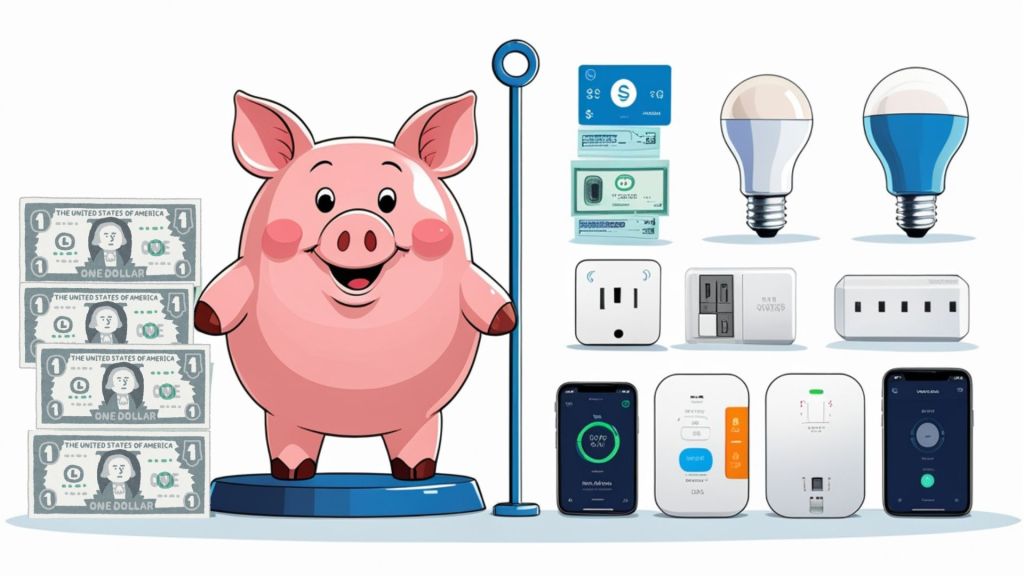
Stop wasting—and start compounding your savings. These small, practical gadgets reduce energy, water, food and battery costs month after month. I picked items that pay for themselves within a year for most households.

1) Smart Plug (with Energy Monitoring)

Cut vampire power (devices that draw energy in standby) and schedule appliances.

  • Why it saves: 5–10% off your power bill by turning off idle devices automatically.
  • Look for: 15A rating, energy reports, app + Alexa/Google compatibility.
  • Amazon: [Your affiliate link here]

2) LED Smart Bulbs (or LED Starter Pack)

Instant upgrade from halogen/incandescent.

  • Why it saves: LEDs use up to 85% less energy and last 10–20× longer.
  • Look for: ≥800 lumens, 2700–3000K warm white for living spaces, 5000K for desk.
  • Amazon: [Your affiliate link here]

3) Smart Thermostat

Automates heating/cooling with geofencing and schedules.

  • Why it saves: Typical 8–15% on heating/cooling annually.
  • Look for: Compatibility with your HVAC, easy scheduling, occupancy detection.
  • Amazon: [Your affiliate link here]

4) Kill-A-Watt / Home Energy Meter

Measure exactly what each device consumes.

  • Why it saves: Identifies the real energy hogs so you can replace or unplug them.
  • Look for: kWh tracking, cost estimation, surge protection (nice to have).
  • Amazon: [Your affiliate link here]

5) High-Efficiency Showerhead (Water-Saving)

  • Why it saves: Uses ~30–40% less water while keeping good pressure; lowers water + gas/electric for heating.
  • Look for: 1.5–1.8 GPM, WaterSense certification.
  • Amazon: [Your affiliate link here]

6) Air Fryer (Mid-Size, Efficient)

  • Why it saves: Faster cook times than ovens and fewer takeout orders.
  • Look for: 4–6 qt capacity, preset programs, removable non-stick basket.
  • Amazon: [Your affiliate link here]

7) Rechargeable Battery Kit (AA/AAA + Smart Charger)

  • Why it saves: Hundreds of recharges = huge cut in battery purchases.
  • Look for: Low-self-discharge NiMH (1900–2500 mAh), charger with auto shutoff.
  • Amazon: [Your affiliate link here]

Quick Setup Plan (15 minutes)

  1. Put TV, game console and set-top box on a smart plug and schedule OFF after midnight.
  2. Replace 5 most-used bulbs with LEDs.
  3. Install showerhead and set a 5–7 minute timer.
  4. Use the energy meter to test your fridge, space heater and PC—decide what to unplug/replace.

ROI Snapshot

  • Smart plug + LED pack often pays back in 2–4 months.
  • Thermostat/showerhead typically in 6–12 months.
  • Rechargeable kit pays back after 3–5 packs of disposables.

Recommended Bundles (1-click style)


Internal links

iOS 26: What to Expect from Apple’s Next Big Update

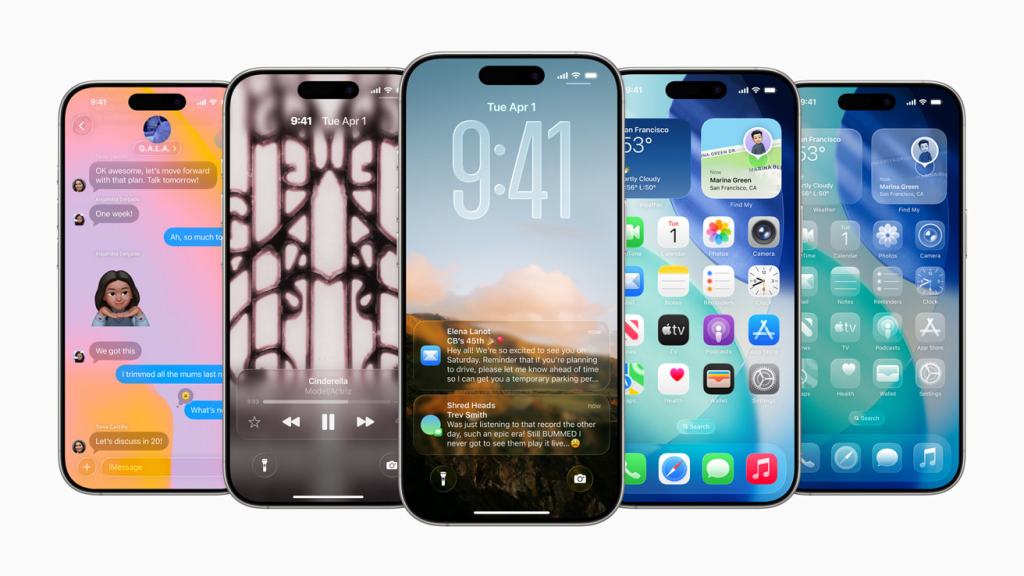
Official iOS 26 preview image – source: Apple Newsroom
Image credit: Apple Newsroom

The Anticipation Around iOS 26

Every year, Apple’s iOS release sparks massive anticipation, but iOS 26 feels different. With iPhone 17 making headlines, attention is also shifting to the software that powers it. iOS 26 is expected to roll out later this year, and the buzz around its potential features, AI-driven tools, and ecosystem integrations has made it one of the most searched topics in tech this week.

Expected Release Timeline

Apple has not officially confirmed the exact release date, but based on previous cycles, iOS 26 is expected to launch publicly alongside the iPhone 17 lineup in September 2025. Developer betas are already circulating, giving a glimpse of what’s to come.

Key Features to Watch

  • AI-Powered Siri: Apple is reportedly overhauling Siri with generative AI, making it smarter, more conversational, and better integrated across apps.
  • Personalized Widgets: Dynamic widgets that adapt to user habits—showing weather, calendar, or finance updates based on context.
  • Enhanced Security: Improved on-device encryption and stronger privacy controls to counter growing cybersecurity risks.
  • Cross-Device Continuity: Deeper integration with MacBooks, iPads, and Apple Vision Pro for a seamless experience.
  • Financial Tools: Rumors suggest Apple is expanding its Wallet app with advanced budgeting and credit-tracking features, aiming to rival fintech apps.

What It Means for Users

For everyday consumers, iOS 26 could make iPhones feel more like personal assistants. From financial reminders to travel updates, the system is designed to predict needs before users even open an app. For professionals, productivity and workflow automation will likely be the highlights.

The Competitive Angle

Apple isn’t just competing with Android on hardware; software is where the long-term battle lies. With Google leaning heavily on AI in Pixel devices, iOS 26 is Apple’s chance to prove it can lead in intelligent, user-first software.

Should You Upgrade?

If your device supports iOS 26, upgrading will almost certainly be worth it, especially for those who want better performance, privacy, and AI-driven convenience. The bigger question is whether the improvements justify upgrading your hardware—or if your current iPhone will be enough to enjoy the new features.

Conclusion

iOS 26 is shaping up to be one of Apple’s most significant software updates in years, blending AI, security, and usability into a single package. While the full picture will only be clear at launch, the early signals suggest Apple is aiming not just to keep up with competitors—but to set a new standard.

Next Step: Already curious about how Apple’s new software pairs with its hardware? Read our full breakdown: [iPhone 17: Everything You Need to Know About Apple’s New Flagship].


References

  • MacRumors – iOS 26 Rumors and Beta Insights, 2025
  • The Verge – Apple’s AI Ambitions in iOS
  • Bloomberg – Apple Wallet Expansions: Fintech Meets Big Tech

iPhone 17 vs Rivals: Who Really Wins in 2025?

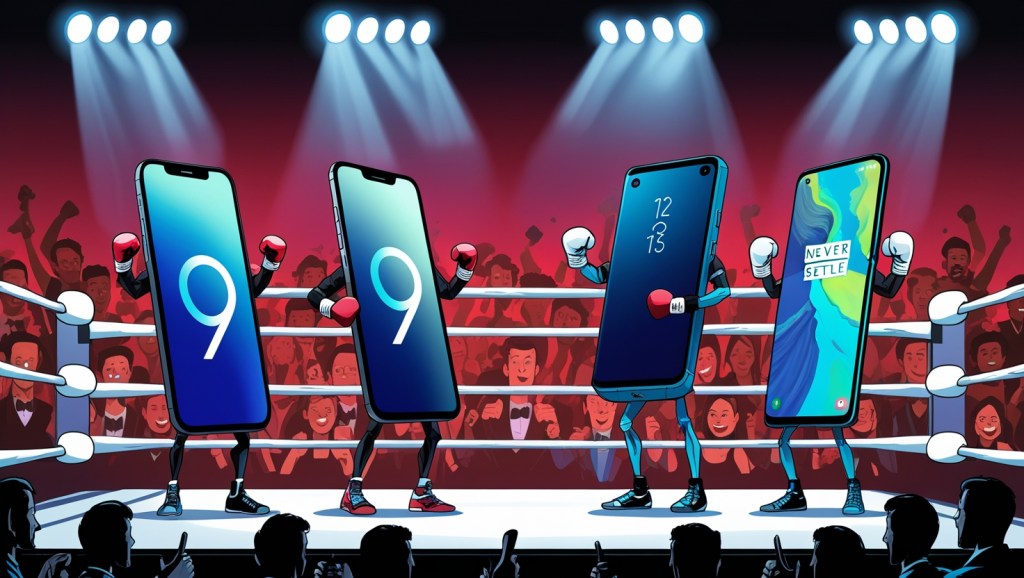
Illustration of iPhone 17, Samsung Galaxy S25, Google Pixel 9, and OnePlus 13 in a boxing ring, symbolizing the competition between flagship smartphones in 2025.
Cartoon-style illustration showing iPhone 17, Galaxy S25, Pixel 9, and OnePlus 13 facing off in a boxing ring — the battle of 2025 flagships.

The Battle of the Flagships

Every September, the smartphone wars reignite — and 2025 is no different. With Apple’s iPhone 17 stepping into the spotlight, competitors like the Samsung Galaxy S25, Google Pixel 9, and OnePlus 13 are ready to challenge its dominance. But when you strip away the hype, which device actually delivers more value?


Design and Display: Premium Across the Board

  • iPhone 17: Refined titanium frame, slim bezels, and a new “Sunset Orange” finish. Apple continues to push durability + elegance as a core identity.
  • Galaxy S25: Larger curved AMOLED with adaptive refresh rates up to 144Hz, brighter for outdoor use.
  • Pixel 9: Minimalistic, matte finish with AI-optimized display calibration.
  • OnePlus 13: Sleek design, fast refresh AMOLED, slightly more affordable build materials.

Verdict: The iPhone 17 wins on premium materials, but Samsung offers the most advanced display tech.


Cameras: AI vs Hardware Muscle

Early impressions from The Verge and MKBHD suggest:

  • iPhone 17 Pro: Triple-lens system with AI-assisted computational photography, excelling in video stabilization and low-light.
  • Galaxy S25: 200MP main sensor — unmatched detail, but heavy reliance on post-processing.
  • Pixel 9: Google leans fully into AI-first photography, delivering the cleanest “point-and-shoot” results.
  • OnePlus 13: Improved Hasselblad partnership, strong in daylight but slightly weaker in night shots.

Verdict: Pixel dominates in casual photography, iPhone still rules in video content creation.


Performance: The A18 vs Snapdragon Elite

  • iPhone 17 (A18 Bionic): Early benchmarks show industry-leading single-core performance.
  • Galaxy S25 & OnePlus 13: Both run on Qualcomm Snapdragon Elite, focusing on multi-core + gaming.
  • Pixel 9: Google’s Tensor G4 AI chip prioritizes smart features over raw power.

Verdict: For speed and longevity, the A18 keeps Apple on top — but Snapdragon Elite is closing the gap.


Ecosystem: The Real Deciding Factor

  • Apple iOS: Seamless integration with Mac, iPad, AirPods, and Apple Watch.
  • Samsung/OnePlus/Google: Wider customization and cross-device flexibility (Windows + Android ecosystem).

Verdict: If you’re invested in Apple’s walled garden, the iPhone wins easily. But Android gives more freedom and variety.


Price and Value for Money

  • iPhone 17 Pro: Starts at $1,199.
  • Galaxy S25 Ultra: Similar pricing, sometimes bundled with Galaxy Buds or watch.
  • Pixel 9 Pro: More affordable at $899.
  • OnePlus 13: The most budget-friendly flagship at $799.

Verdict: The iPhone charges a premium for brand + ecosystem, while Pixel and OnePlus deliver competitive performance for less.


Conclusion: Which One Should You Buy?

  • Choose iPhone 17 if you want unmatched build quality, video performance, and ecosystem integration.
  • Choose Galaxy S25 if you value the best display and raw specs.
  • Choose Pixel 9 if you love photography and clean AI-driven experiences.
  • Choose OnePlus 13 if you want a flagship feel at a lower price.

Want to dive deeper into what really changed with Apple’s new device? Read our full guide: [iPhone 17: Everything You Need to Know About Apple’s New Flagship].


References

The Verge, 2025 – First Look at iPhone 17 and Galaxy S25

MKBHD (Marques Brownlee), 2025 – iPhone 17 vs Android Rivals Review

CNET, 2025 – Smartphone Camera Shootout

MacRumors, 2025 – iPhone 17 Features Overview

Android Authority, 2025 – Pixel 9 and OnePlus 13 Early Reviews

iPhone 17: Everything You Need to Know About Apple’s New Flagship

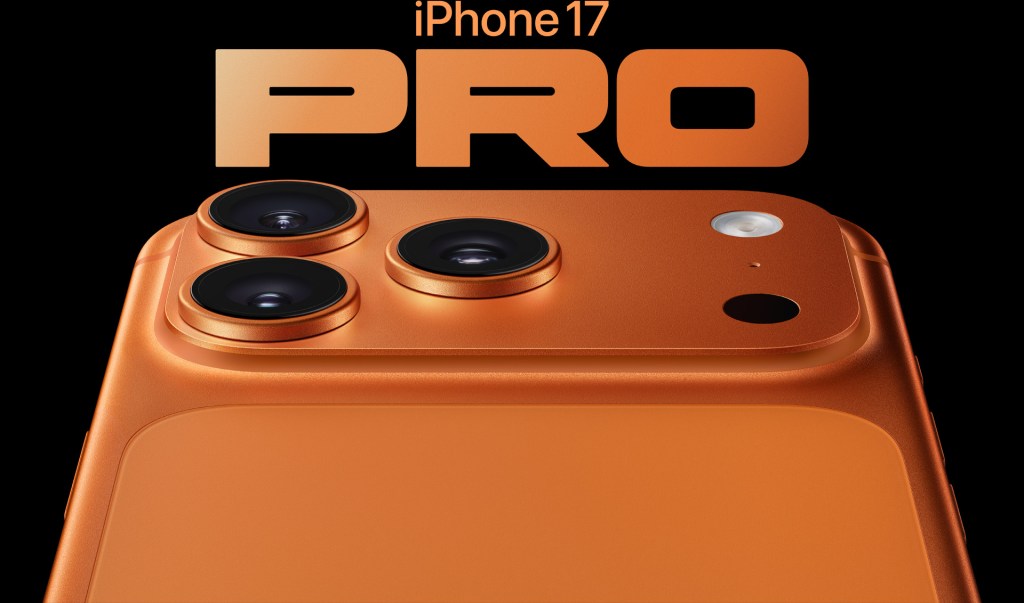
Official Apple press image showing the iPhone 17 Pro in orange finish, highlighting its triple camera design.
Image credit: Apple — Official press image of iPhone 17 Pro.

The Hype Behind the Launch

Every September, Apple sets the stage for the most anticipated tech event of the year: the new iPhone reveal. The iPhone 17 continues that tradition, bringing together cutting-edge hardware, refined design, and an even deeper integration with Apple’s ecosystem. Expectations were sky-high, and Apple’s latest flagship has already sparked debate in both the tech and financial worlds.

But beyond the buzz, what really changed? Let’s break it down.


Design and Display

Apple has refined the design of the iPhone 17, introducing slimmer bezels and a lighter titanium frame that feels premium yet durable. The device is slightly thinner than the iPhone 16, while still maintaining structural rigidity.

  • Display: A new ProMotion XDR display with even higher brightness levels and improved color accuracy.
  • Sizes: Available in the standard 6.1-inch and the larger 6.7-inch “Pro Max” versions.
  • Durability: Enhanced Ceramic Shield 2.0 glass, promising better scratch and drop resistance.

The end result? A phone that looks and feels like the future while staying true to Apple’s minimalist design philosophy.


Camera Upgrades

For many, the camera system is the deciding factor—and the iPhone 17 does not disappoint.

  • Main Camera: A new 48MP wide sensor with larger pixels for improved low-light performance.
  • Telephoto (Pro models): Expanded periscope zoom lens offering up to 6x optical zoom.
  • Video: ProRes video recording now supports 8K at 30fps, making the iPhone a professional filmmaker’s tool.

For content creators, the iPhone 17 pushes the boundary between a smartphone and a professional camera setup.


Performance and Chip

At the heart of the iPhone 17 is the A18 Bionic chip, Apple’s most powerful processor to date.

  • CPU & GPU: Faster by up to 20% compared to the A17, with major improvements in efficiency.
  • AI Processing: Enhanced Neural Engine, designed to optimize on-device AI tasks like photo editing and Siri’s contextual responses.
  • Gaming: Console-level graphics performance thanks to ray tracing improvements.

Early benchmarks suggest that Apple continues to dominate the smartphone performance race.


Battery and Charging

Apple claims the iPhone 17 offers up to 2 extra hours of battery life compared to the iPhone 16.

  • Charging: MagSafe charging speeds have been increased, and USB-C with Thunderbolt support (on Pro models) allows faster data transfers.
  • Battery health: New software tools help users manage charging cycles to extend long-term performance.

Software and iOS Exclusives

The iPhone 17 launches with iOS 19, bringing new features that are exclusive—at least for now—to Apple’s latest hardware.

  • Dynamic Island 2.0: Expanded functionality for multitasking and third-party apps.
  • AI-Powered Features: Smarter photo categorization, on-device transcription, and improved Siri.
  • Security: Upgraded Face ID with better performance in low light and support for horizontal unlocking.

These features ensure that iPhone 17 users get the most seamless and integrated experience possible.


Price and Availability

  • Starting Price: $999 for the base model, $1,199 for the Pro, and $1,399 for the Pro Max.
  • Availability: Pre-orders began immediately after Apple’s keynote, with shipping expected within two weeks.
  • Colors: A refreshed palette, including Midnight Black, Silver, Titanium Blue, and a new “Sunset Gold.”

Apple has kept its premium pricing strategy, but the upgrades aim to justify the cost.


Final Verdict: Is It Worth the Hype?

The iPhone 17 is not a radical reinvention, but rather a polished evolution that strengthens Apple’s dominance in the premium smartphone market. The upgrades to the display, camera, and performance are significant enough to tempt those with older iPhones, though iPhone 16 users may hesitate to upgrade immediately.

For investors, Apple continues to prove its ability to create products that spark mass adoption and consumer loyalty. For consumers, the iPhone 17 represents one of the most refined smartphones ever released.


Next Step: Curious how the iPhone 17 compares to its biggest rivals? Don’t miss our upcoming article: iPhone 17 vs. the Competition – Who Really Wins in 2025?


References

  • Apple Keynote Event, September 2025.
  • MacRumors, iPhone 17 Hands-On Review, 2025.
  • The Verge, First Impressions of the iPhone 17, 2025.
  • CNET, iPhone 17 Camera and Performance Analysis, 2025.

What Is a Zero Day Attack? + 5 Affordable Tech Tools to Protect Your Privacy in 2025


Understanding the Threat: What Is a Zero Day Attack?

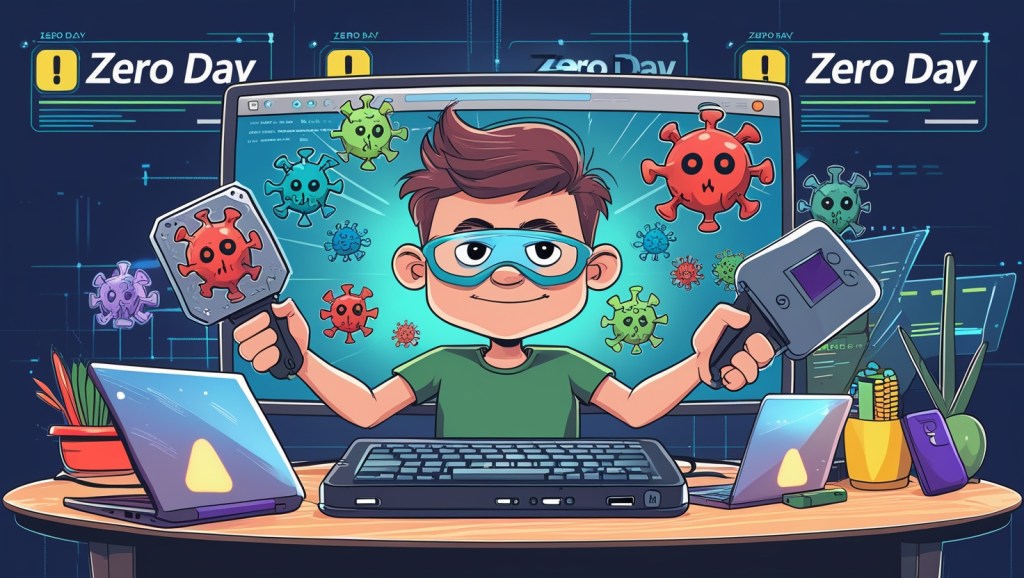
A “zero day” attack refers to a cyberattack that exploits a vulnerability in software or hardware that has not yet been discovered or patched by the developer. In other words, the attack hits on “day zero” of the vulnerability’s life — before security teams even know it exists.

These types of attacks are highly dangerous because:

  • They are undetectable by traditional antivirus systems.
  • Hackers can exploit them for days, weeks, or even months before being noticed.
  • They are often used in state-sponsored espionage, corporate sabotage, or to target critical infrastructure.

In 2025, as our lives become increasingly connected through smart devices, cloud storage, and mobile apps, zero day attacks are no longer just a threat to governments and corporations — they are a risk to everyday users.


Real-World Examples (and Why You Should Care)

  • In 2023, a zero day exploit in Microsoft Exchange servers exposed thousands of organizations worldwide to data breaches.
  • In 2024, an iPhone vulnerability allowed hackers to control devices via iMessage — no clicks required.
  • In 2025, several popular routers and smart plugs were found to have zero day flaws that let outsiders monitor home activity.

If you use smart tech at home, log into banking apps, or travel with your phone connected to public USB chargers, you’re a potential target.


5 Amazon Tech Tools to Protect Your Privacy in 2025

Here are five affordable, effective gadgets available on Amazon that can help you defend against modern digital threats:

1. 🔒 USB Data Blocker

Why it helps: Prevents data theft (aka “juice jacking”) when you charge your phone in public places like airports or cafes. Blocks data lines, allows only power. Recommended: PortaPow USB-C Data Blocker or MMOBIEL USB-A/C 2-Pack Affiliate link: Check on Amazon


2. 📂 Encrypted USB Drive

Why it helps: Safely stores sensitive documents with built-in AES-256 encryption. Ideal for freelancers, students, and travelers. Recommended: Kingston IronKey Locker+ 50 128GB Affiliate link: Check on Amazon


3. 🌐 Hardware VPN Router

Why it helps: Encrypts all traffic from your home devices, not just your laptop. Offers always-on protection against Wi-Fi snooping and ISP surveillance. Recommended: GL.iNet GL-AX1800 or InvizBox 2 Affiliate link: Check on Amazon


4. 📷 Webcam and Microphone Covers

Why it helps: Prevents remote access to your camera and mic — a common tactic in surveillance malware.Recommended: Multi-pack adhesive covers or sliding cam blockers for laptops/phones Affiliate link: Check on Amazon


5. 🛡️ Smart Plug with Emergency Kill Switch

Why it helps: Lets you shut down smart home devices instantly via app or voice. Useful during suspicious activity or to cut off connectivity quickly. Recommended: Kasa Smart Plug HS300 or TP-Link Tapo Smart Plug Affiliate link:Check on Amazon


Final Thoughts: Security Is No Longer Optional

Zero day threats are invisible, unpredictable, and increasingly common. But that doesn’t mean you need to live in fear. With the right tools and a little awareness, you can take control of your digital safety without spending a fortune.

Whether you’re a remote worker, a frequent traveler, or just someone who uses smart devices at home, these low-cost tech tools offer real peace of mind.

Call to Action: Want more real-world tech tips like this? Follow Smart Money Tech for weekly updates on security, gadgets, and smarter digital living.


References

  • CISA, “Understanding Zero-Day Vulnerabilities,” 2024
  • Wired, “Juice Jacking Is Real: How USB Attacks Work,” 2023
  • TechCrunch, “How Zero-Day Exploits Hit Everyday Devices,” 2025

Anduril, AI Weapons, and the Future of Defense Tech: What It Means for Investors and the Tech World


The Rise of Anduril: Why Everyone’s Talking About It

Anduril Industries is no longer a niche name in the defense sector — it’s making headlines across tech and finance. With a 700% spike in Google search interest, the company’s AI-powered defense systems are raising eyebrows in Silicon Valley and on Wall Street alike.

Founded by Palmer Luckey (creator of Oculus), Anduril is blending military-grade hardware with Silicon Valley software thinking. But this isn’t just about war. It’s about how artificial intelligence is being used to reshape the global defense economy, and why investors, technologists, and everyday citizens should be paying attention.


AI-Powered Defense: Innovation or Escalation?

Anduril is known for its autonomous drones, surveillance towers, and battlefield intelligence systems. The company’s ethos: “Software wins wars.”

This tech-first approach raises big questions:

  • Are we entering a new arms race — driven by code instead of bombs?
  • Can AI really make warfare more ethical — or just more efficient?

Whether you believe in its mission or not, Anduril signals a massive shift in how governments and private companies invest in security.


What This Means for the Tech Sector

Anduril is part of a broader trend: the militarization of tech. The implications are serious:

  • More funding flowing from defense departments into tech startups
  • New partnerships between governments and AI companies
  • A growing demand for cybersecurity, surveillance, and defense-adjacent gadgets

And yes — it’s already creating ripple effects on Amazon, retail tech, and consumer habits.


🛒 Smart Tech You Can Use (Inspired by the Defense Revolution)

Here are 5 Amazon products aligned with the current trend — whether for home safety, privacy, or preparedness:

ProductWhy It MattersLink
🔒 Smart Doorbell Camera (with motion alerts)Inspired by surveillance towers — protects your home with AISee on Amazon
💻 USB Data BlockerBlock data theft when charging devices in publicSee on Amazon
🔐 Encrypted USB DriveKeep your files safe like a digital fortressSee on Amazon
☁️ Personal Cloud Storage Device (like WD My Cloud)Control your data — no third-party serversSee on Amazon
📚 Book: “Army of None” by Paul ScharreMust-read on autonomous weapons and AI ethicsSee on Amazon

⚠️ Note: All links above are affiliate links. If you buy through them, we may earn a small commission — at no extra cost to you.


Final Thoughts: Are You Ready for the AI-Defense Economy?

Whether you’re a tech enthusiast, a cautious investor, or just someone trying to understand the world we’re heading into — Anduril is a name worth watching.

The line between consumer tech and military innovation is blurring fast. The good news? Some of that innovation can be used to protect your home, your privacy, and your data.


References

  • CNBC, Anduril’s AI-Powered War Tech Could Change Everything, 2025
  • Wired, The Military Tech We Never Expected to Go Mainstream, 2025
  • Google Trends, Search Interest in “Anduril” Spikes 700%, August 2025

🧠 Want to dive deeper into the company behind this tech revolution?

Read our full breakdown of Anduril’s mission, technology, and societal impact:

👉 Anduril: The Defense Tech Startup Reshaping the Future of Warfare and Surveillance

Find out who’s behind the rise of autonomous war tech — and what it means for the future of privacy, defense, and democracy.


Tech Pulse: The Key Stories That Shaped the Digital World This Week


A Week of Surges, Shifts, and Surprises

From trillion-dollar milestones to silent policy shifts, the first week of August 2025 delivered major signals for the tech world. The AI boom continues to reshape market hierarchies, while government regulations begin to react to that same momentum.

Here are the headlines that matter—and why you can’t afford to ignore them.


Microsoft Becomes First $4 Trillion Company

Microsoft officially became the first company in history to cross a $4 trillion market cap, powered by:

  • Its dominance in cloud infrastructure
  • Commercial adoption of Copilot AI
  • Steady growth in LinkedIn and gaming divisions

But it wasn’t just the number—it was the symbolism. Big Tech’s grip on the global economy is now deeper than ever.


Amazon’s Profits Dip Despite Record Revenue

Amazon reported record revenues but saw a dip in quarterly profits due to rising investments in AI infrastructure and supply chain upgrades. The company also warned about potential risks from new U.S. tariffs and regulatory friction in Europe.

Investors are asking: Is growth still growth if it comes at the cost of margin?


US Advances State-Level AI Regulations

While Congress stalls on national AI legislation, multiple U.S. states have introduced their own rules targeting facial recognition, biometric data, and algorithmic bias.

  • California, New York, and Illinois are leading the charge
  • New federal proposals may link funding to state compliance

This is the first serious attempt to regulate AI at scale in the U.S., and Big Tech is watching closely.


Meta & Alphabet Under Fire for Data Practices

Both Meta and Google’s parent company Alphabet are under regulatory fire again—this time from the EU—for allegedly misusing cross-platform data to prioritize their own services.

The EU is pushing for:

  • Stricter transparency on data flows
  • Clearer AI usage disclosures
  • Possible fines and limits on cross-product bundling

Conclusion: Tech Isn’t Just Earning—It’s Expanding Its Power

This week proved that the digital economy isn’t just growing—it’s concentrating. Tech giants are not only breaking records but also rewriting the rulebook.

The winners of this AI era won’t just be the best innovators—they’ll be the ones who can defend their dominance while shaping regulation in their favor.


References

GeekWire, Microsoft Breaks $4T Barrier, 2025.
Financial Times, Amazon Reports Strong Sales but Falling Margins, 2025.
CFO Dive, AI Policy Tracker 2025.
The Verge, EU Launches New Probes Into Meta and Alphabet, 2025.

PS5: The Dream Console That Still Dominates in 2025


Why the PlayStation 5 Is Still Winning Hearts (and Wallets)

Despite its 2020 release, the PS5 continues to dominate the gaming world in 2025. New bundles, price drops, and exclusive game releases have kept Sony’s console at the top of wish lists worldwide. With the recent bundle of the PS5 Digital + Call of Duty: Black Ops 6 for just €399, it’s not just gamers who are taking notice — it’s smart shoppers too.

But beyond hype and headlines, the PS5 has proven to be a smart investment. Here’s why:


What Makes the PS5 Worth It in 2025

New Generation Games Keep Coming

From Gears of War rumors to PS5-exclusive launches like Code Violet, developers continue to bet big on the PS5’s install base. You’re not buying into a fading console — you’re buying into the future of gaming.

Prices Are Lower Than Ever

With price reductions in Europe and bundle deals popping up on Amazon, the cost of entry has never been this low. Some offers are even under $400, including a game — a huge deal considering where prices were two years ago.

Performance That Still Beats Most PCs

Thanks to updates, SSD support, and incredible backwards compatibility, the PS5 remains a powerhouse. Games load in seconds and perform smoothly, even on demanding titles.

Gaming as a Long-Term Value

When compared to frequent PC upgrades or even streaming subscriptions, owning a PS5 is a one-time purchase with years of value. Add to that PS Plus and exclusive titles, and it becomes clear: you’re paying once, and playing for years.


Suggested Bundle for Smart Buyers

>> Click here to see the latest PS5 deal on Amazon

  • PS5 Digital Edition + Call of Duty: Black Ops 6
  • 1TB SSD included
  • DualSense controller
  • Limited offer under €400!

Add-ons you should consider:


Conclusion: This Isn’t Just a Console. It’s a Dream Fulfilled.

For many, the PS5 is more than a piece of tech. It’s a childhood dream, a reward for hard work, or the first step into an immersive world of creativity and connection.

And dreams? They don’t have a price tag.

They have value.

If owning a PS5 has been your goal, there’s never been a better moment to make it happen. It’s not an expense — it’s an investment in joy.