
What the $540M Bank of America Fine Really Means (and Why It Matters to You)

Source: Thebrandhopper.com

In April 2025, a federal judge ordered Bank of America to pay $540.3 million to the Federal Deposit Insurance Corporation (FDIC) in a long-standing legal battle. While this might seem like just another headline involving big banks, the implications go far beyond corporate boardrooms.

This case sheds light on banking practices, investor protection, and how financial institutions manage risk — and yes, it matters to your financial life too.

What Happened with Bank of America?

Background of the Case

The lawsuit stems from the bank’s role in managing securities during the 2008 financial crisis. According to the ruling, Bank of America overcharged investors in a set of failed mortgage-backed securities transactions, which ultimately led to massive losses for the FDIC as receiver of failed banks.

The Ruling

  • Amount: $540.3 million
  • Plaintiff: Federal Deposit Insurance Corporation (FDIC)
  • Judge: Jed Rakoff, Southern District of New York
  • Decision: The court found Bank of America liable for breach of contract and fiduciary duty.

The decision marks a significant win for regulators seeking accountability from big banks for past misconduct.

⚖️ Why This Matters (Even If You’re Not a Shareholder)

1. Signals Stronger Regulatory Oversight

This ruling sends a message to the financial sector: accountability is back on the table. Regulators are under pressure to enforce transparency and ethical practices in banking, especially in a time of economic uncertainty.

2. Impacts Consumer Trust

When one of the biggest U.S. banks is penalized for misconduct, it affects how much trust people have in the financial system. This may influence how consumers choose where to saveborrow, and invest.

3. Potential Changes to Banking Fees and Lending

Banks often pass on legal and compliance costs to their customers. While not immediate, this ruling could lead to:

  • Tighter lending conditions
  • Increased banking fees
  • Stricter terms for retail banking products

4. It Can Influence Your Investments

If you invest in bank stocks, ETFs, or mutual funds, this case might affect your portfolio:

  • BOA stock could face temporary volatility
  • Financial sector ETFs might rebalance their holdings
  • Investor sentiment around U.S. banks could shift short-term

Lessons for Everyday Investors

1. Read the Fine Print

Always understand the terms and risks associated with your investments. Even “safe” institutions can be vulnerable.

2. Diversify Your Exposure

Don’t put all your eggs in one sector or one stock — diversification protects you from shocks like these.

3. Stay Informed About Regulation

Following regulatory news can help you anticipate changes in market behavior, interest rates, or banking products.

What Happens Next?

  • Appeal Potential: Bank of America may seek to challenge the ruling in higher courts.
  • Stock Reaction: Investors are watching closely how this affects BOA’s stock and dividend performance.
  • Broader Impact: Other banks under scrutiny may face similar legal action or internal reforms.

Conclusion: More Than Just a Fine

This isn’t just a legal slap on the wrist — it’s a clear signal that financial institutions must operate with integrity, or face major consequences. For consumers and investors alike, it’s a wake-up call to stay educated, cautious, and proactive with their money.


References

Ray Dalio Warns of “Something Worse Than a Recession”: What It Means for Investors and the Economy

Ray Dalio attends an event with Xi Jinping in Beijing, China, on 28 March. Photograph: Ng Han Guan/AP

Ray Dalio, billionaire investor and founder of Bridgewater Associates, is once again sounding the alarm. Known for accurately predicting the 2008 financial crisis, Dalio now warns of a looming economic threat — one potentially more severe than a typical recession.

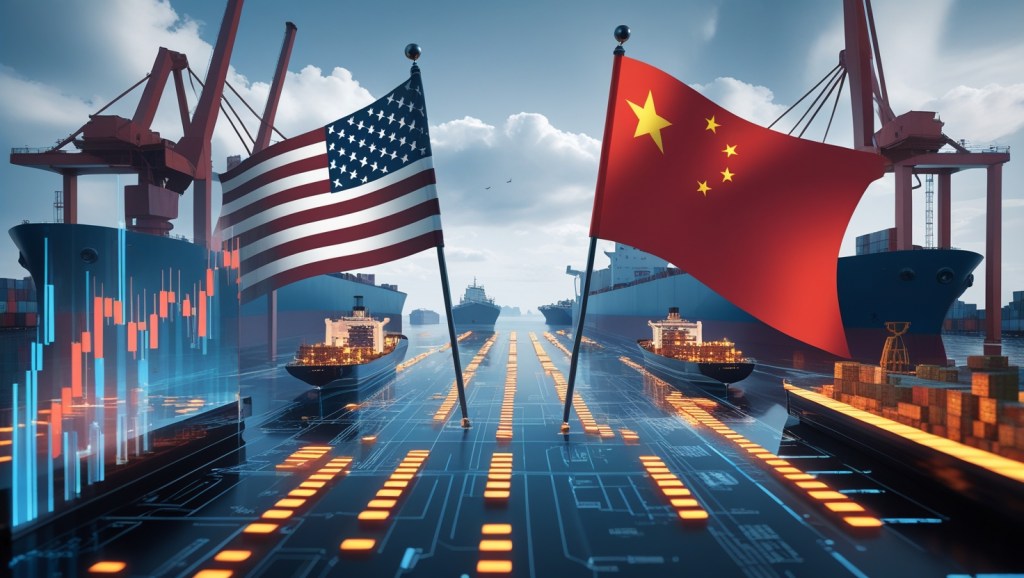
During an interview with NBC’s Meet the Press on April 13, 2025, Dalio shared deep concerns about the current state of global economics, citing rising U.S.-China trade tensions, increasing tariffs, and America’s mounting national debt as key risk factors. But what does this mean for your money, the tech market, and the global economy?


Why Dalio Is Worried: Core Economic Risks

1. A Broken Global Order

Dalio described the current global landscape as “disordered,” where rising protectionism and geopolitical instability are disrupting international cooperation. He likened the moment to key turning points in history — like the monetary system collapse of 1971.

“We are now in a period where the risks are bigger than just a traditional recession,”
— Ray Dalio, NBC Interview, April 13, 2025

2. Tariffs as a Threat to Economic Efficiency

Dalio criticized the aggressive tariff policies introduced under Donald Trump, warning that they’re akin to “throwing rocks in the gears of global productivity.”

Key Tariff Facts:

  • U.S. has increased import duties on Chinese goods by up to 145%.
  • China responded with its own retaliatory tariffs, targeting U.S. tech, agriculture, and automotive exports.

The result? A more expensive supply chain, slowed trade, and higher prices across industries.

3. The Rising National Debt

Dalio highlighted the unsustainable trajectory of U.S. fiscal policy. With national debt reaching record highs, he warned that the U.S. must reduce its deficit to 3% of GDP to avoid long-term structural collapse.


Impact on Markets and Investors

Stock Market Volatility

Following Dalio’s warnings and ongoing trade war escalations, markets responded with sharp declines:

  • The Dow Jones dropped over 2,200 points in two days.
  • More than $6.4 trillion in market value was erased.
  • Tech and manufacturing stocks were hit hardest due to exposure to China.

Investor Behavior Shift

With fear rising, many investors are moving funds into:

  • Gold and commodities
  • U.S. Treasury bonds
  • Defensive stocks like utilities and consumer staples

How Tariffs Affect Consumers and Businesses

For Consumers

  • Price Inflation: Electronics, clothing, and everyday goods are expected to rise in price due to import taxes.
  • Less Choice: As supply chains shrink, some products may disappear from shelves.

For Businesses

  • Higher Production Costs: Companies reliant on Chinese components face immediate cost increases.
  • Delayed Innovation: Uncertainty in trade slows R&D, especially in the tech sector.

What Can You Do Now?

1. Diversify Your Portfolio

Avoid overexposure to global equities. Mix in safer assets like U.S. bonds, dividend-paying stocks, and precious metals.

2. Follow Global Economic Trends

Stay updated with policy changes, trade agreements, and market signals from central banks and international agencies.

3. Build Financial Resilience

  • Boost your emergency fund
  • Reduce high-interest debt
  • Delay non-essential large purchases

Ray Dalio’s warning is not a prediction of doom — it’s a call to be realistic and prepared. The current blend of geopolitical conflict, trade restrictions, and unsustainable debt creates a perfect storm that could shake the global financial system.

Whether you’re an investor, entrepreneur, or average consumer, the message is clear: now is the time to build financial resilience and pay attention. The future may hold more than just a slowdown — it could be a fundamental reshaping of the world economy.


Sources and References

Are Tariffs Really That Bad? The Pros, Cons, and Who Actually Benefits

Tariffs are back in the global spotlight — and not just in political debates. As the U.S. ramps up trade restrictions, particularly with China, consumers, businesses, and investors alike are feeling the impact. But are tariffs always bad? Or can they sometimes benefit local economies?

In this article, we explore the real effects of tariffs in 2025: how they work, who wins, who loses, and why understanding them is critical for making smarter financial and tech-related decisions.


What Are Tariffs and Why Do They Exist?

Tariffs are taxes imposed on imported goods, designed to increase the cost of foreign products. Governments use them for various reasons — from protecting local jobs to gaining leverage in trade negotiations.

Common Goals of Tariff Policies

  • Protect Domestic Industries
    By taxing foreign competition, local manufacturers can become more competitive.
  • Encourage Local Innovation
    Higher import costs may push businesses to invest in domestic research, development, and production.
  • Leverage in Trade Deals
    Tariffs can pressure foreign governments to revise trade terms, open their markets, or improve labor practices.

The Pros of Tariffs in 2025

While controversial, tariffs can produce strategic and economic benefits when implemented correctly.

✅ Advantages for Local Economies

  • Job Creation in Certain Sectors
    Manufacturing, mining, and raw materials often benefit when import competition decreases.
  • National Security Advantages
    Reducing reliance on foreign goods — especially in areas like semiconductors or defense tech — minimizes geopolitical risk.
  • Increased Tax Revenue
    Governments can reinvest tariff income into domestic infrastructure or support programs for affected industries.

The Cons of Tariffs: What They Cost Consumers

Despite their benefits, tariffs often come at a steep price for everyday people and small businesses.

❌ Major Downsides of Tariffs

  • Higher Consumer Prices
    Retailers pass import taxes to customers. Electronics, cars, and groceries can become significantly more expensive.
  • Supply Chain Disruptions
    Global companies relying on components from multiple countries face delays, rising costs, or forced relocations.
  • Retaliatory Tariffs
    Countries often respond with their own tariffs, which can hurt exporters and escalate trade wars.

Who Wins and Who Loses with Tariffs?

Let’s break it down:

WinnersLosers
Domestic manufacturersEnd consumers
Governments collecting tariffsSmall importers and retailers
Politicians promoting nationalismExporters facing retaliation

Example:
U.S.-based steelmakers may benefit from tariffs on foreign metals.
But car manufacturers — who import parts — face higher production costs and may raise prices.


What This Means for Tech & Finance in 2025

Tech Sector

  • Electronics May Get Pricier:
    Devices like smartphones, laptops, and gaming consoles include parts from multiple countries — tariffs on any one of them raise overall production costs.
  • Startups Face Challenges:
    Smaller tech firms dependent on global hardware may struggle to remain competitive.

For Your Wallet

  • Inflation Pressure:
    Tariffs contribute to inflation, eating into savings and making budgeting harder.
  • Stock Market Volatility:
    Trade tensions can shake investor confidence, especially in tech-heavy indexes like NASDAQ.

Tariffs are complex tools — neither inherently good nor bad. While they can protect domestic jobs and national interests, they also carry costs that affect consumers, investors, and global supply chains.

The key is understanding how these policies work so you can adjust your financial habits, investments, and tech purchases accordingly.


Sources and References

  • World Economic Forum – Trade Policy Outlook 2025
  • CNBC – “How Tariffs Are Raising Prices in the Tech Industry”
  • U.S. Chamber of Commerce – 2025 Trade Impact Report
  • Reuters – Analysis: Winners and Losers in the U.S.-China Tariff War

Should You Be Worried About a Recession in 2025? What Experts Are Saying

Economic anxiety is rising in 2025. From CEOs of global investment firms to government agencies, many are warning that the next big recession may be closer than we think. But how real is this threat — and how can you protect your finances?

This article dives into the latest expert insights, explains what a recession could mean for your everyday life, and offers practical steps to help you prepare without panic.


What the Experts Are Saying

Top Voices Raising the Alarm

  • Larry Fink (BlackRock CEO)Called current U.S. tariffs “beyond anything I could have imagined,” and warned that rising global tensions are pushing the economy toward instability.
  • Goldman SachsRevised its U.S. GDP growth forecast down by 1.2% for Q2 2025, citing trade uncertainty and reduced consumer spending.
  • Moody’s AnalyticsPredicts a sharp rise in job loss risks, especially in export-heavy sectors such as manufacturing and technology.

These are not speculative fears — they are signals from some of the most trusted financial institutions in the world.


What a Recession Could Mean for You

1. Harder Access to Credit

  • Banks may tighten lending standards.
  • Mortgages, car loans, and business financing could become more difficult or expensive.

2. Rising Unemployment Risks

  • Sectors like tech, logistics, and manufacturing are especially vulnerable.
  • Companies may freeze hiring or implement layoffs.

3. Volatile Investments

  • The stock market may experience sharp fluctuations.
  • Retirement accounts and portfolios could take a temporary hit.

How to Prepare Financially in 2025

✅ 

Step 1: Build a Strong Emergency Fund

  • Save enough to cover 3–6 months of essential expenses.
  • Keep funds in a high-yield savings account for easy access.

✅ 

Step 2: Reassess Your Investment Portfolio

  • Reduce exposure to high-risk stocks.
  • Focus on defensive sectors (utilities, healthcare) and stable ETFs.
  • Consider holding part of your wealth in cash or gold as a hedge.

✅ 

Step 3: Cut Back on Non-Essential Spending

  • Avoid large purchases (cars, luxury items).
  • Eliminate high-interest debt wherever possible.

✅ 

Step 4: Stay Informed, Not Afraid

  • Follow credible news sources.
  • Avoid panic-selling — recessions are cyclical, not permanent.

Yes, the risk of recession in 2025 is real — but so is your power to prepare. Taking small but intentional financial steps today can prevent long-term damage tomorrow. Recession-proof your life by being proactive, informed, and strategic.


Sources and References

  • BlackRock Official Statement – March 2025
  • Goldman Sachs: U.S. Economic Outlook Q2 2025
  • Moody’s Analytics – Risk Monitor 2025
  • U.S. Bureau of Labor Statistics – Sector Employment Projections

The Return of Trade Wars: Tech Stocks to Watch in the Middle of Global Tension

In 2025, global headlines are once again dominated by trade tensions — and this time, tech companies are right in the crosshairs. As the U.S. and China renew tariff escalations and impose new export restrictions, tech investors are asking a crucial question:

Which companies will come out stronger — and which ones will take the hit?

Whether you’re managing your own portfolio or simply following the financial news, understanding the impact of trade wars on major tech stocks is essential.


How Trade Wars Impact the Tech Sector

Tech companies operate within some of the most complex global supply chains in the world. A single smartphone can include components sourced from more than a dozen countries. When trade policies shift, the ripple effect is immediate — and significant.

Key Pressure Points for Tech Firms

  • Tariffs on Key Components: Semiconductors, lithium-ion batteries, display panels, and chips are now taxed at higher rates.
  • Export Restrictions: The U.S. has imposed new rules on AI chip exports, while China retaliates with bans on rare earth elements.
  • Relocation of Manufacturing: Companies are rapidly trying to shift production from China to countries like Vietnam, India, and Mexico — which increases costs in the short term.

Tech Stocks to Watch in 2025

🟩 Potential Winners

These companies are better positioned to navigate global tension due to diversified supply chains, local manufacturing, or government incentives.

  • Dell Technologies (DELL)
    → Strong U.S. base and less exposure to Chinese factories. Dell’s pivot to Mexico and Malaysia could shield it from tariffs.
  • HP Inc. (HPQ)
    → Has a flexible manufacturing model with growing operations outside China. May benefit from consumers seeking affordable alternatives to Apple.
  • Intel (INTC)
    → Investing heavily in U.S.-based chip plants. Likely to gain from national incentives aimed at reducing dependency on Asian semiconductors.

🟥 Potential Losers

These tech giants are deeply tied to China — either in manufacturing or market presence — and face significant exposure to tariff risks.

  • Apple (AAPL)
    → Despite expansion in India, over 70% of iPhone production remains in China. Logistics, costs, and political pressure could affect pricing and supply.
  • Tesla (TSLA)
    → Tesla’s Shanghai Gigafactory is central to its global vehicle production. Chinese retaliation could slow exports and hit margins.
  • Nvidia (NVDA)
    → Heavily reliant on global AI chip demand, including Chinese markets. Export controls on advanced GPUs may hurt revenue projections.

What Should Investors Do?

Increased volatility also brings opportunity — for those who stay informed.

Smart Portfolio Moves

  • Diversify Your Tech Holdings: Avoid overexposure to one region or company.
  • Track Supply Chain Shifts: Companies investing in non-Chinese manufacturing may outperform.
  • Watch Earnings Reports Closely: Look for mentions of increased logistics costs, delayed launches, or government incentives.

The return of trade wars is not just a political issue — it’s a market-moving force with real consequences. Tech stocks are particularly vulnerable, but also present unique investment opportunities. By monitoring global developments and understanding each company’s exposure, you can position yourself for smarter, more resilient investing in 2025.

How Global Tensions Affect the Cost of Tech: Will Your Next Phone Be More Expensive?

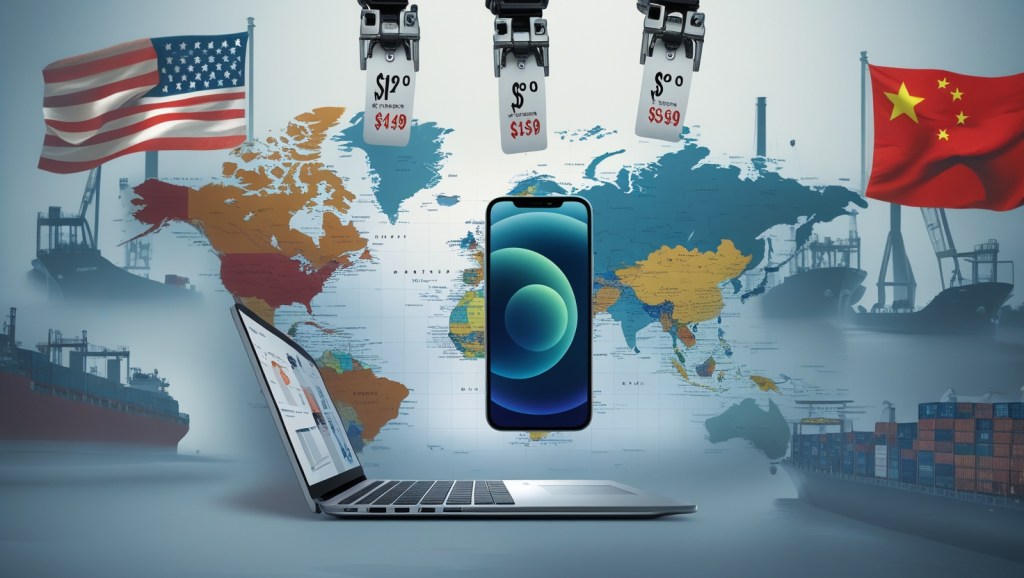
In a world where supply chains span continents and tech innovation is a global effort, political friction can quickly translate to higher price tags on consumer electronics. As the U.S. and China continue to escalate trade tensions in 2025, one question is becoming more relevant than ever: Will your next smartphone, laptop, or gaming console cost more?

Supply Chains Under Pressure

The technology sector is highly dependent on complex international supply chains. Many of the components in your iPhone or Android device are manufactured in Asia, especially China. Trade policies such as tariffs or sanctions directly affect the cost of production, shipping, and final assembly.

Key Factors Driving Up Prices

  • Tariffs on Chinese Electronics: New tariffs on semiconductors, display panels, and batteries increase costs for U.S. companies importing from China.
  • Retaliation Measures: China has responded with restrictions on rare earth exports — essential for devices like smartphones and EVs.
  • Increased Manufacturing Costs: Companies are relocating supply chains to India, Vietnam, and Mexico. While this may reduce long-term dependency, it temporarily increases costs due to logistics and ramp-up expenses.

Real-World Examples

  • Apple: Despite efforts to diversify manufacturing to India, a significant portion of iPhone production still relies on Chinese suppliers. Expect modest price hikes on future models.
  • Samsung & Dell: Both have increased their presence in Vietnam and Mexico but continue to face higher component costs.
  • Gaming Consoles: Xbox and PlayStation models might see new pricing tiers in Q4 2025 depending on final production contracts.

How This Affects Consumers

For consumers, this means:

  • Higher Retail Prices for new tech releases
  • Limited Discount Margins during holiday seasons
  • Potential Delays in product availability due to shipping bottlenecks

What You Can Do

  • Buy Smart: Watch for older-generation tech going on sale as new releases are affected by price hikes.
  • Consider Refurbished Devices: Certified refurbished products are more attractive than ever.
  • Invest in Protection: With higher costs, consider extended warranties or protective accessories to extend the life of your device.

Global economic shifts are no longer abstract—they’re felt in the checkout line. While your next phone may be smarter and faster, it might also be more expensive, thanks to geopolitics. Staying informed, buying strategically, and thinking long-term can help you navigate this tech-driven inflation.


Sources and References

  • Bloomberg Tech – 2025 U.S.-China Trade Analysis
  • CNBC – Supply Chain Shifts in the Electronics Industry
  • Reuters – Rare Earth Export Policies Update
  • Apple & Samsung Quarterly Reports – Q1 2025

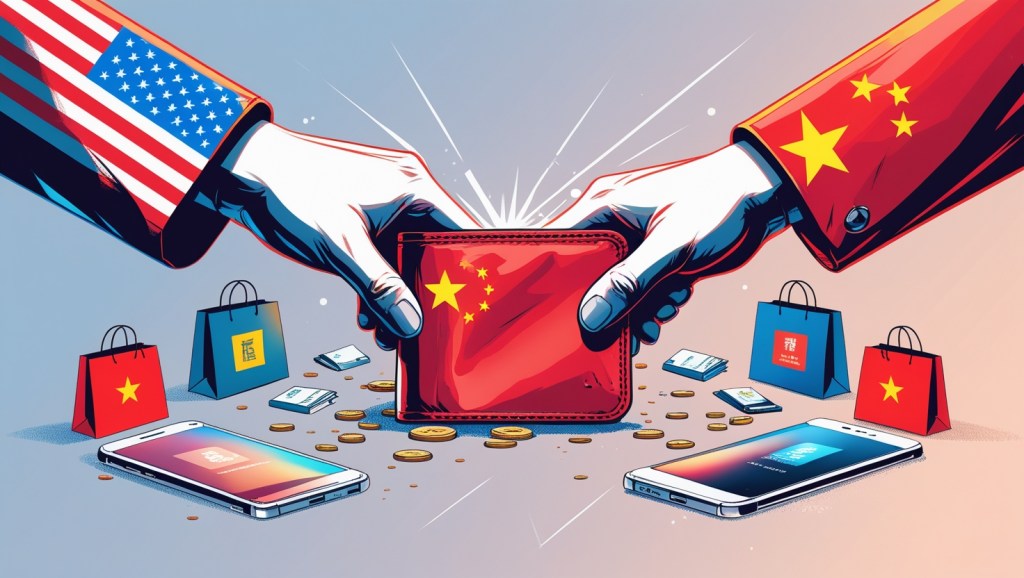
How Trade Wars Impact Your Wallet: What the 2025 U.S.-China Tariffs Mean for Consumers

Trade wars may sound like something distant — a battle between governments and corporate giants — but they have very real consequences for everyday consumers. In 2025, with president Donald Trump reintroducing aggressive tariffs on Chinese imports and China responding in kind, the global economy is feeling the shockwaves again.

But how does this affect you — your tech purchases, grocery bill, or gas tank? Let’s break it down.


What Are Tariffs (and Why Are They Back)?

tariff is essentially a tax on imported goods. In April 2025, Trump proposed raising tariffs on a wide range of Chinese products, increasing some rates up to 145%. China quickly responded with its own 125% tariffs on American goods.

The goal?
To protect domestic industries and “punish” foreign competitors.
The result?
Higher prices — for both businesses and consumers.


5 Everyday Ways Tariffs Hit Your Wallet

1. Electronics Are Getting Pricier

Smartphones, laptops, tablets, and accessories often rely on Chinese manufacturing. With increased tariffs, expect brands to:

  • Raise prices to offset costs
  • Delay launches or reduce inventory
  • Shift production to more expensive regions

🛒 Example: A budget laptop that cost $499 in 2024 may now cost $579+ in mid-2025.


2. Grocery Prices May Rise

Although most groceries are local, many ingredients and packaging materials are imported. Increased transportation and energy costs also ripple into food pricing.

  • Canned goods, frozen meals, and packaged snacks may see 5–12% hikes
  • Household items like kitchenware or cleaning tools are also impacted

3. Gas and Energy Costs Could Climb

Tariffs often cause supply chain disruptions. If Chinese manufacturers cut output or retaliate, the cost of oil and energy-related imports may increase.

Expect:

  • Slightly higher gas prices at the pump
  • More expensive energy bills (especially in colder regions)

4. Clothing and Apparel Get More Expensive

A huge portion of U.S. fashion and footwear is made in China. With tariffs, clothing retailers either:

  • Pass the cost to you
  • Reduce quality to maintain prices
  • Shift production to countries like Vietnam or Bangladesh (which still costs more)

👟 Sneakers, jackets, and tech-wear are especially affected.


5. Tech Gadgets and Appliances Will Cost More

From gaming consoles to smart home devices, many components come from China. Tariffs make it harder for brands to stay under $100, $300, or $500 price points.

Expect fewer discounts and more “limited” launches.


📊 Who Wins and Who Loses?

WinnersLosers
Some U.S. manufacturersConsumers (higher prices)
Local producers (short-term)Retailers with Chinese suppliers
Protectionist political agendasGlobal investors & importers

What You Can Do to Protect Your Budget

  • Delay major purchases: If you can, wait for price adjustments or off-season sales.
  • Buy used or refurbished tech: Great savings on items not affected by current tariffs.
  • Diversify your sources: Support small or local brands not reliant on global supply chains.
  • Track inflation: Use tools like the CPI index to understand rising costs.

Trade wars aren’t just political chess moves — they shape the way we spend, save, and live. The 2025 U.S.-China tariff escalation may seem like global policy, but it hits hardest at the register. Staying informed can help you make smarter purchases and avoid falling into inflated pricing traps.

📈 What Is the Dow Jones? Understanding the Stock Market’s Oldest Benchmark

If you’ve ever watched financial news, chances are you’ve heard phrases like “The Dow is up 200 points today.” But what exactly is the Dow Jones, and why does it matter so much to investors and the broader economy?

The Dow Jones Industrial Average (DJIA) is one of the oldest and most closely followed stock market indices in the world. It represents 30 major U.S. companies across various industries, providing a snapshot of the stock market’s overall health.


A Brief History of the Dow

  • Created in 1896 by Charles Dow and Edward Jones
  • Originally included just 12 industrial companies (railroads, cotton, gas)
  • Today: Tracks 30 blue-chip stocks like Apple, Microsoft, and Coca-Cola
  • Managed by S&P Dow Jones Indices, not the U.S. government

Why Is the Dow Important?

  • Market Sentiment Gauge: A rising Dow often signals economic optimism, while a drop can reflect uncertainty.
  • Media Reference: Used by major news outlets to report daily stock performance.
  • Investor Benchmark: Many portfolios are compared to the Dow’s performance over time.

What Companies Are in the Dow?

Here are some current key players (as of 2025):

CompanySector
Apple Inc.Technology
BoeingAerospace
JPMorgan ChaseFinancials
WalmartRetail
ChevronEnergy
McDonald’sConsumer Goods

These companies are selected based on reputation, performance, and influence on the economy.


📉 Limitations of the Dow

Despite its fame, the Dow has some drawbacks:

  • Only 30 companies: Not as diversified as the S&P 500
  • Price-weighted: Stocks with higher prices impact the index more (even if they’re not the largest by market cap)
  • U.S.-centric: Doesn’t reflect international markets or small-cap stocks

💰 Investing in the Dow: Is It a Good Idea?

You can’t invest directly in the Dow, but you can invest in ETFs that track it, such as:

  • SPDR Dow Jones Industrial Average ETF (DIA)

These offer exposure to a diversified basket of large U.S. companies — ideal for long-term investors seeking stability.


The Dow in 2025: What’s Next?

With the rise of AI, green energy, and remote work, the Dow’s composition could change in coming years. Companies adapting to these trends will likely gain more influence — while traditional sectors may lose ground.

Financial analysts are watching closely for:

  • Interest rate changes
  • Tech stock momentum
  • Geopolitical risks

The Dow Jones remains a powerful symbol of U.S. market strength. While not perfect, it serves as a valuable tool for tracking long-term economic trends. Whether you’re a beginner or seasoned investor, understanding the Dow is a smart step toward building financial literacy.

The Psychology of Spending: Why We Buy What We Don’t Need (and How to Stop)

Have you ever bought something on impulse and regretted it later? You’re not alone. Many of our spending decisions are driven not by logic, but by emotion, habit, and clever marketing. Understanding the psychology behind our purchases is the first step toward taking control of our finances.


Why We Overspend: Emotional Triggers

1. Stress and Emotional Comfort

Spending can release dopamine, giving us a short-term “high” — but often followed by guilt.

  • Stress shopping is emotional escape
  • “Retail therapy” leads to clutter or debt

2. Fear of Missing Out (FOMO)

Flash sales, influencer culture, and “only today” deals spark urgency. We’re wired to want what others have.

3. Social Comparison

Seeing friends or influencers buy new gadgets, clothes, or trips can lead us to imitate — fueling lifestyle inflation.


Marketing Tactics That Trick Your Brain

1. Scarcity and Urgency

  • Phrases like “Only 2 left!” or “Offer ends tonight!” trigger panic buying.

2. Charm Pricing

  • $4.99 feels cheaper than $5.00 — even though it’s not.

3. Free Shipping Thresholds

  • We add extra items just to save on shipping — and end up spending more.

How to Stop Buying What You Don’t Need

1. Use the 24-Hour Rule

Wait one full day before purchasing non-essentials. You’ll often realize you didn’t need it after all.

2. Track Your Spending

Use tools like YNABMint, or a Google Sheet to stay aware of your habits.

3. Budget for Fun

It’s okay to enjoy spending — as long as it’s intentional. Set a monthly “fun fund” to stay in control.

4. Declutter Your Digital Life

  • Unsubscribe from marketing emails
  • Mute influencers that make you want to spend
  • Delete shopping apps you use impulsively

Mindset Shift: From Consumer to Creator

Instead of buying to impress or to cope, shift toward:

  • Building skills or businesses
  • Creating content or passive income
  • Investing in growth (books, courses, tools)

This new mindset fosters long-term value and intentional living.


Understanding the psychology of spending gives you the power to resist emotional purchases and reclaim control over your money. With small shifts in awareness and behavior, you can reduce regret, increase savings, and feel more confident in your financial choices.

Digital Minimalism: How Cutting Tech Clutter Can Save You Money

In the age of endless notifications, apps, and subscriptions, it’s easy to feel overwhelmed — and overspend. But what if simplifying your digital life could actually boost your financial health?

Welcome to Digital Minimalism — the intentional use of technology to focus only on what matters. When applied to your finances, it can help you cut wasteful spending, increase awareness, and save money without sacrificing comfort.


1. Audit Your Subscriptions

From streaming services to premium apps, recurring payments can quietly drain your budget.

Steps to take:

  • Review bank statements for hidden or forgotten subscriptions
  • Use tools like Rocket MoneyTruebill, or Trim
  • Cancel anything you haven’t used in the last 30 days
  • Switch to annual plans only if you’re sure you’ll use the service long-term

💡 Tip: Schedule a “subscription checkup” every 3 months.


2. Delete Shopping Apps You Don’t Need

Shopping apps like Amazon, Shein, or Temu make it dangerously easy to buy on impulse.

Minimalist action plan:

  • Remove these apps from your home screen
  • Turn off promotional notifications
  • Log out of accounts so you don’t buy “just because it’s easy”

Even reducing accessibility for a few days can break spending habits.


3. Unfollow Temptation Triggers on Social Media

Your feed is full of targeted ads, influencer “hauls,” and endless “must-have” recommendations.

Try this:

  • Mute or unfollow pages that push you to buy
  • Follow minimalist or finance creators instead
  • Use browser extensions like Honey or Shoptagr to track prices instead of impulse-buying

4. Simplify Your Fintech Stack

Too many finance apps can cause confusion or lack of clarity.

Focus on:

  • One banking app
  • One investment app
  • One budgeting tool (like YNAB, Mint, or Monarch)
  • Remove the rest to reduce digital noise

🔐 Bonus: fewer apps also means fewer data risks.


5. Automate, Then Log Off

Set up your financial systems to work in the background:

  • Schedule automatic bill payments and transfers
  • Track progress with a weekly “Finance Friday” review
  • Stay off financial apps unless it’s your check-in time

📉 Less screen time = fewer temptations to spend.


Digital clutter isn’t just bad for your focus — it’s bad for your wallet too. By applying digital minimalism, you gain more control over your habits, spend more intentionally, and save more with less stress.