
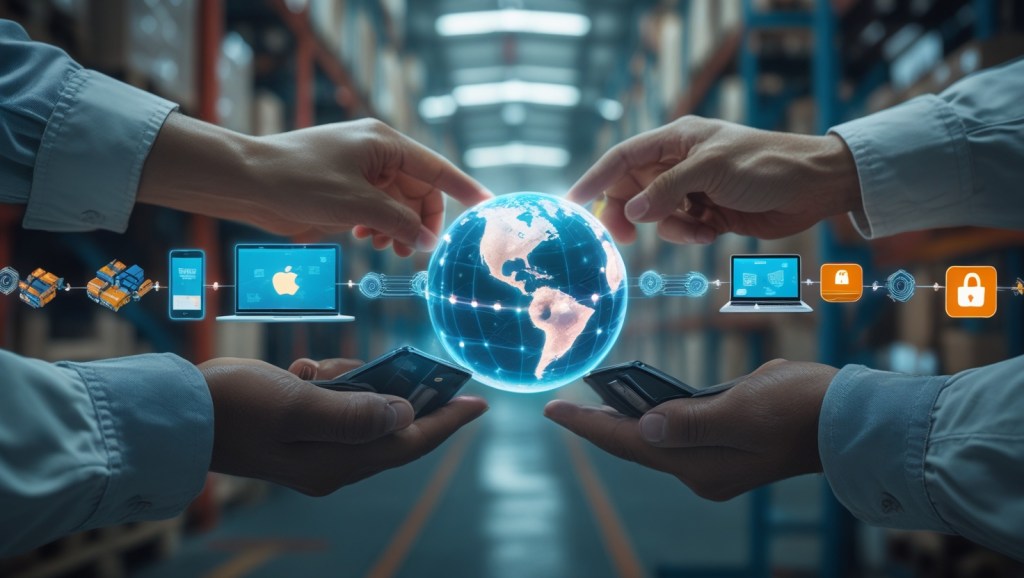
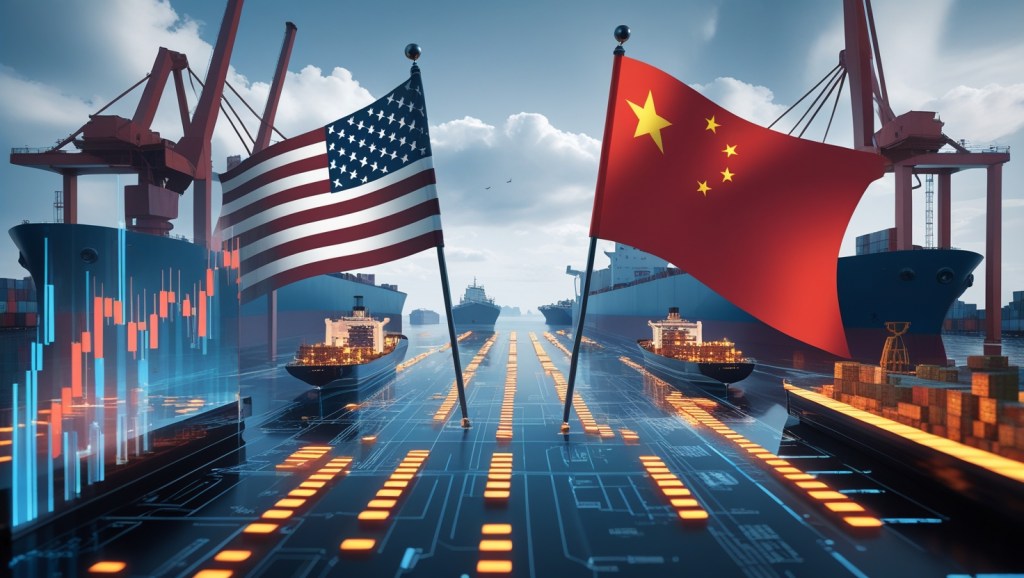
Tariffs are back in the global spotlight — and not just in political debates. As the U.S. ramps up trade restrictions, particularly with China, consumers, businesses, and investors alike are feeling the impact. But are tariffs always bad? Or can they sometimes benefit local economies?
In this article, we explore the real effects of tariffs in 2025: how they work, who wins, who loses, and why understanding them is critical for making smarter financial and tech-related decisions.
What Are Tariffs and Why Do They Exist?
Tariffs are taxes imposed on imported goods, designed to increase the cost of foreign products. Governments use them for various reasons — from protecting local jobs to gaining leverage in trade negotiations.
Common Goals of Tariff Policies
- Protect Domestic Industries
By taxing foreign competition, local manufacturers can become more competitive. - Encourage Local Innovation
Higher import costs may push businesses to invest in domestic research, development, and production. - Leverage in Trade Deals
Tariffs can pressure foreign governments to revise trade terms, open their markets, or improve labor practices.
The Pros of Tariffs in 2025
While controversial, tariffs can produce strategic and economic benefits when implemented correctly.
✅ Advantages for Local Economies
- Job Creation in Certain Sectors
Manufacturing, mining, and raw materials often benefit when import competition decreases. - National Security Advantages
Reducing reliance on foreign goods — especially in areas like semiconductors or defense tech — minimizes geopolitical risk. - Increased Tax Revenue
Governments can reinvest tariff income into domestic infrastructure or support programs for affected industries.
The Cons of Tariffs: What They Cost Consumers
Despite their benefits, tariffs often come at a steep price for everyday people and small businesses.
❌ Major Downsides of Tariffs
- Higher Consumer Prices
Retailers pass import taxes to customers. Electronics, cars, and groceries can become significantly more expensive. - Supply Chain Disruptions
Global companies relying on components from multiple countries face delays, rising costs, or forced relocations. - Retaliatory Tariffs
Countries often respond with their own tariffs, which can hurt exporters and escalate trade wars.
Who Wins and Who Loses with Tariffs?
Let’s break it down:
| Winners | Losers |
|---|---|
| Domestic manufacturers | End consumers |
| Governments collecting tariffs | Small importers and retailers |
| Politicians promoting nationalism | Exporters facing retaliation |
Example:
U.S.-based steelmakers may benefit from tariffs on foreign metals.
But car manufacturers — who import parts — face higher production costs and may raise prices.
What This Means for Tech & Finance in 2025
Tech Sector
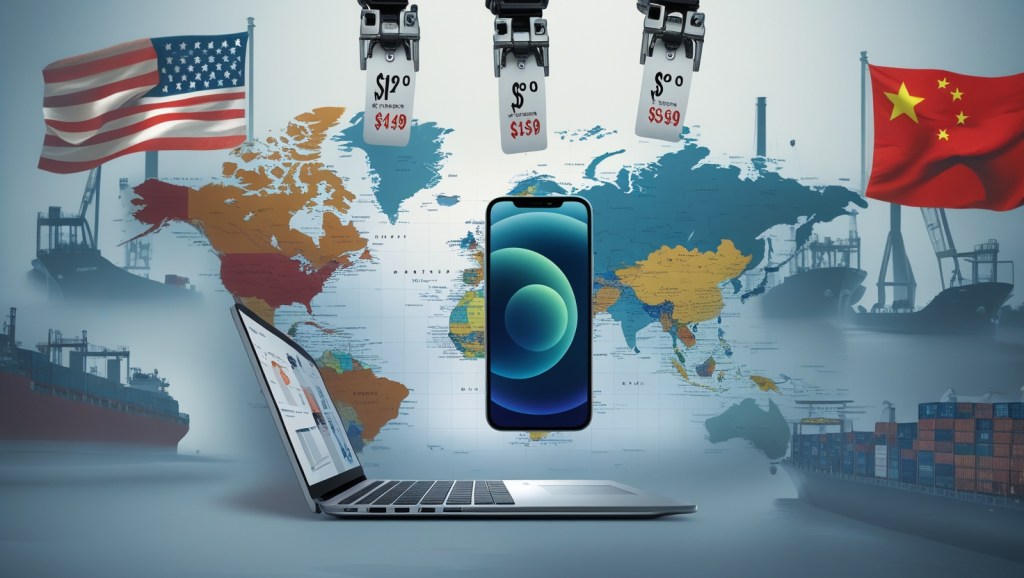
- Electronics May Get Pricier:
Devices like smartphones, laptops, and gaming consoles include parts from multiple countries — tariffs on any one of them raise overall production costs. - Startups Face Challenges:
Smaller tech firms dependent on global hardware may struggle to remain competitive.
For Your Wallet
- Inflation Pressure:
Tariffs contribute to inflation, eating into savings and making budgeting harder. - Stock Market Volatility:
Trade tensions can shake investor confidence, especially in tech-heavy indexes like NASDAQ.
Tariffs are complex tools — neither inherently good nor bad. While they can protect domestic jobs and national interests, they also carry costs that affect consumers, investors, and global supply chains.
The key is understanding how these policies work so you can adjust your financial habits, investments, and tech purchases accordingly.
Sources and References
- World Economic Forum – Trade Policy Outlook 2025
- CNBC – “How Tariffs Are Raising Prices in the Tech Industry”
- U.S. Chamber of Commerce – 2025 Trade Impact Report
- Reuters – Analysis: Winners and Losers in the U.S.-China Tariff War


 Smart Money Tech