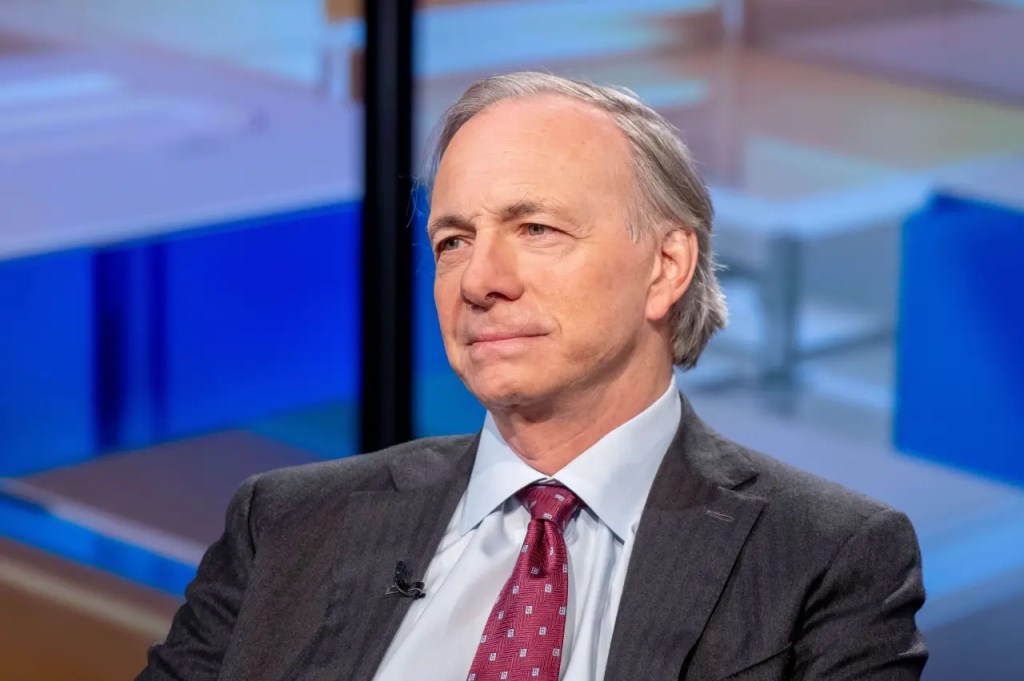
Ray Dalio is more than just a successful investor — he’s a thinker who reshaped how we understand economic cycles, risk, and decision-making. As the founder of Bridgewater Associates, the world’s largest hedge fund, Dalio’s story is one of intellectual curiosity, relentless discipline, and a deep understanding of how money flows through the global system.
Early Life and the Making of a Curious Mind
Born in 1949 in Queens, New York, Ray Dalio was raised in a middle-class household. His father was a jazz musician and his mother a homemaker. At the age of 12, Dalio bought his first stock — shares of Northeast Airlines — with money he earned as a golf caddy. When the stock tripled after a merger, his passion for investing was ignited.
Dalio attended Long Island University before earning his MBA from Harvard Business School in 1973. His early experiences taught him one vital lesson: the markets don’t care about what you want to happen. They respond to reality.
Founding Bridgewater Associates
In 1975, Dalio founded Bridgewater Associates out of his two-bedroom apartment. He began advising institutional investors on currency and interest rate risks. Over the years, Bridgewater evolved into one of the most influential investment firms in the world, managing billions in assets and pioneering strategies like risk parity.
His firm became known for its “radical transparency” — a culture that encourages honest, often uncomfortable feedback, recorded meetings, and data-backed decisions. Dalio believed that this was the only way to avoid blind spots and improve over time.
Principles: The Philosophy Behind the Empire
In 2011, Ray Dalio published Principles, a book outlining the life and business lessons that guided his success. It became a bestseller and a blueprint for investors, entrepreneurs, and leaders seeking to think more clearly.
His core philosophy blends stoicism, realism, and a scientific approach to problem-solving. Dalio is also famous for his study of economic history, particularly the long-term debt cycles that he believes drive market booms and crashes.
Weathering Crises with Logic and Discipline
Dalio’s career spanned some of the most turbulent financial events in modern history: Black Monday in 1987, the Dot-com crash, the 2008 financial crisis, and the COVID-19 pandemic. Rather than panic, Dalio has consistently emphasized preparation, diversification, and understanding the bigger picture.
In 2008, while many funds suffered, Bridgewater’s “Pure Alpha” strategy performed exceptionally well, thanks to its diversified bets and macroeconomic models.
A Legacy Beyond the Markets
Though Dalio stepped down as co-CIO of Bridgewater in 2022, he remains an influential voice in economics and geopolitics. His recent writings explore the decline of empires, the rise of China, and the risks of global debt accumulation. He has also donated over $1 billion to philanthropic causes, especially education and ocean exploration.
Why His Story Matters Today
Ray Dalio’s journey is not just about accumulating wealth. It’s about using data, history, and self-awareness to make smarter decisions. For anyone navigating uncertain markets or striving for personal growth, Dalio’s life is a masterclass in clarity, humility, and strategic thinking.
References:
- Bridgewater.com
- Principles by Ray Dalio (2011)
- CNBC, Bloomberg, The Guardian
- Interviews from The Tim Ferriss Show and TED





 Smart Money Tech